Understanding LPG Vaporizer Failures in Industrial Systems
In industrial gas systems, consistent vapour supply is not optional. It is the foundation of stable combustion, efficient energy use, and safe plant operation. When vaporizers begin to fail, the issue rarely appears suddenly. It builds quietly through pressure imbalance, temperature variation, or component degradation. That is why LPG vaporizer troubleshooting must always begin with a clear understanding of how and why these failures occur in real operating environments.
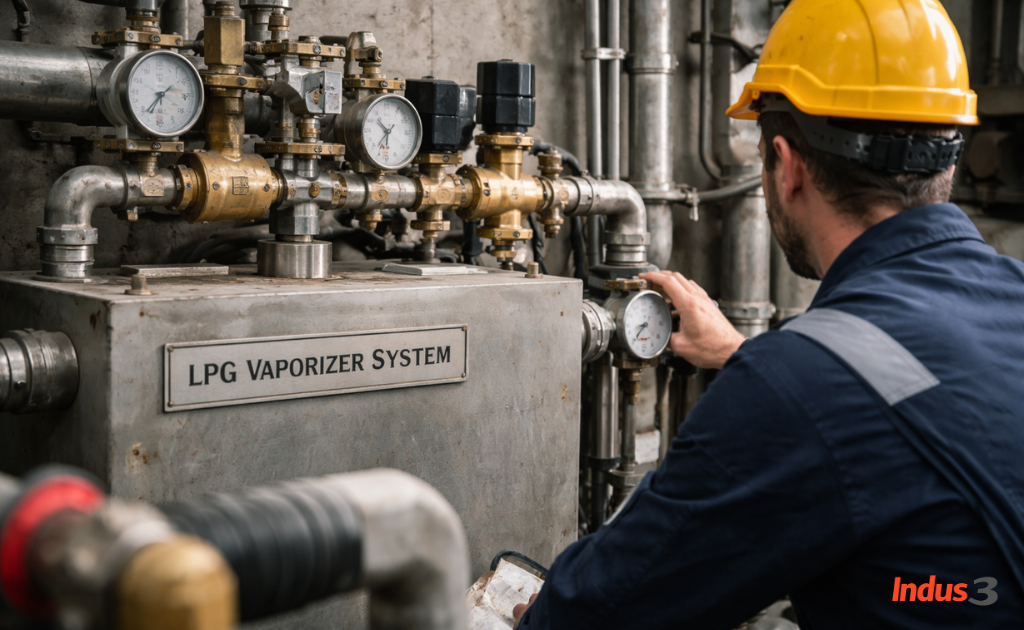
At a system level, an LPG vaporizer is responsible for converting liquid LPG into a controlled gaseous state. This process depends on heat transfer, pressure regulation, and uninterrupted flow. Any disruption in these variables introduces instability across the entire gas system. For a detailed breakdown of system fundamentals, refer to how LPG vaporizers work and the industrial LPG vaporizer working principle.
In practical industrial settings such as food processing plants, textile units, and poultry operations, vaporizers operate under fluctuating demand. Peak loads, seasonal temperature shifts, and inconsistent LPG quality can all influence performance. These variables make industrial LPG vaporizer troubleshooting more complex than a simple mechanical inspection. It requires system-level thinking.
One of the most overlooked aspects of vaporizer failure is the relationship between upstream supply and downstream demand. If LPG supply pressure drops or becomes unstable, the vaporizer struggles to maintain proper output. Similarly, excessive demand from burners or process equipment can push the vaporizer beyond its design capacity. This mismatch often leads to symptoms such as pressure fluctuation, inconsistent gas supply, or complete shutdown.
Another common failure pathway involves heat transfer inefficiency. In water bath vaporizers, inadequate heating or poor circulation can reduce vaporisation efficiency. In direct fired systems, burner issues or fuel imbalance can compromise performance. These conditions gradually lead to LPG vaporizer problems such as icing, low pressure output, or delayed start-up.
Environmental conditions also play a critical role. In colder regions or during winter months in Pakistan, ambient temperature directly affects LPG vaporisation. When external heat is insufficient, vaporizers may experience freezing or frost formation. This is not just a surface issue. It signals that the system is unable to sustain the required heat input for phase conversion. According to Engineering Toolbox, LPG vaporisation rates drop significantly as temperature decreases, which reinforces the need for proper system sizing and thermal management.
Component-level failures further contribute to system instability. Valves, regulators, and control elements operate together as a coordinated network. A minor fault in one component can trigger cascading effects. For example, a partially blocked line or faulty valve may restrict flow, leading to pressure imbalance across the system. Over time, this results in LPG vaporizer failure causes that are difficult to trace without proper diagnostics.
It is also important to recognise that not all failures are mechanical. Operational practices often influence system reliability. Irregular maintenance, improper installation, and lack of monitoring can accelerate wear and reduce efficiency. Many cases of LPG vaporizer downtime issues originate from preventable factors rather than equipment defects.
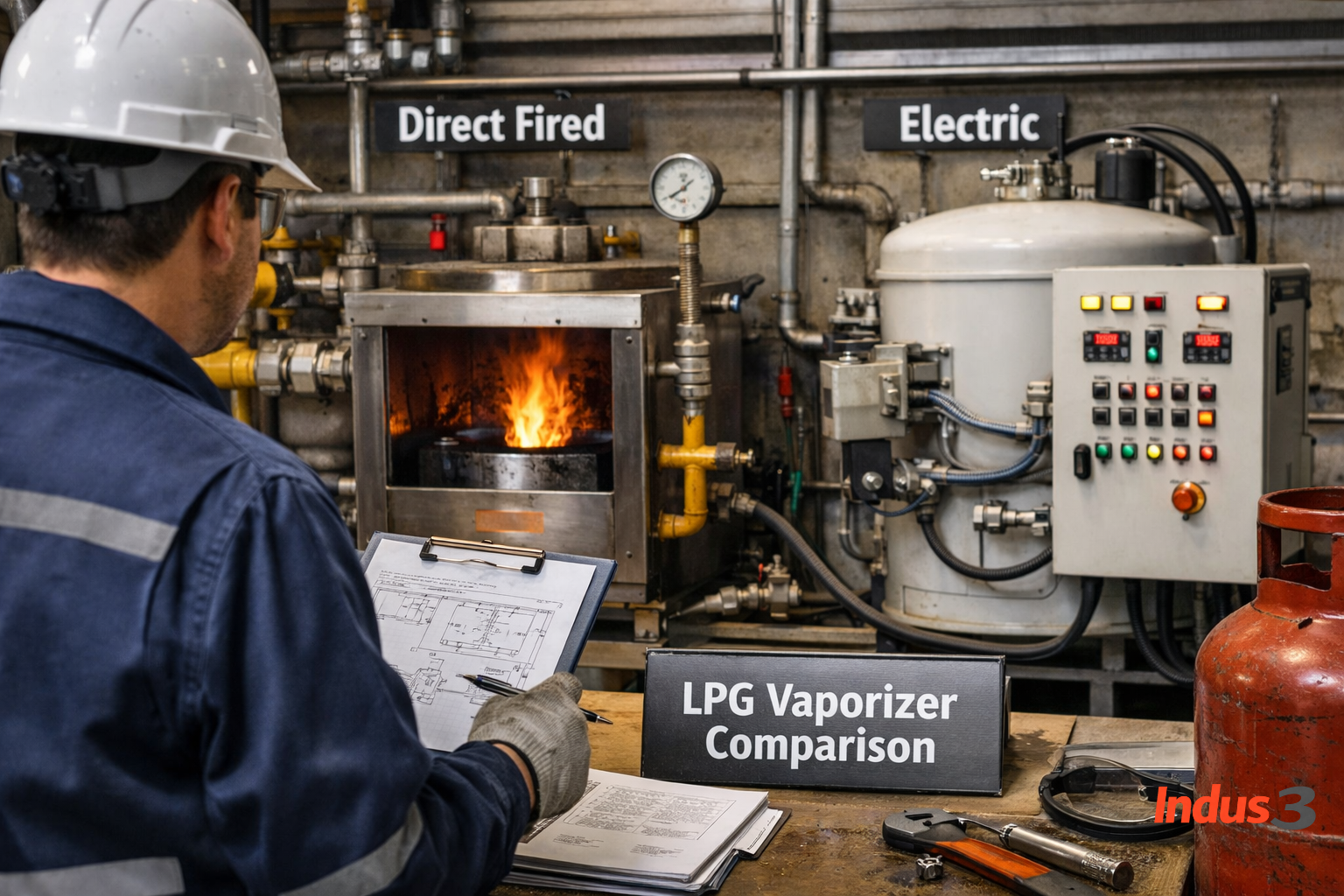
Different vaporizer types respond differently to these challenges. Electric vaporizers depend heavily on stable power supply and heating elements, while water bath systems rely on thermal consistency. Direct fired vaporizers introduce combustion variables that must be carefully managed. A comparative understanding of these systems can be explored in the LPG vaporizer types comparison.
From a diagnostics perspective, early detection is critical. Subtle changes such as delayed ignition, minor pressure drops, or irregular burner performance often indicate deeper system issues. These signals should never be ignored. Effective LPG vaporizer system diagnostics requires continuous observation, not just reactive maintenance.
Ultimately, LPG vaporizer failures are rarely isolated events. They are the result of interacting variables across the system. Pressure, temperature, flow, and component integrity must all align for stable operation. When one element shifts, the entire system responds.
Understanding these interconnected dynamics is the first step towards effective troubleshooting. Without this foundation, even the most advanced repair efforts remain temporary solutions rather than long-term fixes.
Common LPG Vaporizer Problems and Early Warning Signs
In most industrial environments, LPG vaporizers do not fail without warning. The system usually provides clear signals before a complete breakdown occurs. The challenge is not the absence of symptoms, but the failure to recognise them early. This is where effective LPG vaporizer troubleshooting begins to shift from reactive repair to proactive diagnosis.
Operators often encounter situations where the LPG vaporizer is not working as expected, yet the issue appears intermittent. These early-stage faults are frequently misinterpreted as minor fluctuations rather than indicators of deeper system imbalance. A structured understanding of common faults helps bridge this gap.
One of the most noticeable early signs is inconsistent gas supply. Burners may show unstable flames, fluctuating intensity, or delayed ignition. This typically points towards a developing LPG vaporizer gas flow problem. The root cause may lie in restricted flow, pressure imbalance, or partial blockage within the system.
Another common symptom is difficulty during start-up. When an LPG vaporizer is not starting, the issue may not always be electrical. In many industrial cases, insufficient pressure build-up or improper vaporisation prevents the system from initiating correctly. This is particularly evident in cold environments where vaporisation rates are naturally reduced.
Flow restriction is another critical indicator. Over time, deposits, contaminants, or moisture can accumulate within pipelines and internal components. These lead to LPG vaporizer blockage symptoms such as reduced output, pressure drops, and uneven gas delivery. In severe cases, the system may appear operational but fails to meet process demand.
Pressure instability is often one of the earliest measurable warning signs. Operators may notice gauges fluctuating without a clear pattern. This is not just a calibration issue. It often signals internal imbalance between supply and consumption. Without timely intervention, this can escalate into full-scale LPG vaporizer problems affecting the entire gas system.
Thermal irregularities also provide valuable insight. In water bath vaporizers, uneven heating or temperature drop within the bath can reduce vaporisation efficiency. In direct fired systems, inconsistent burner performance may indicate combustion inefficiency. These conditions gradually impact output stability and lead to operational disruptions.
Frost formation on the vaporizer body or associated piping is another critical warning sign. While it may appear harmless initially, it reflects inadequate heat transfer during vaporisation. Over time, this condition can worsen and lead to severe performance degradation. For deeper understanding of such conditions, refer to LPG vaporizer issues diagnosis, which outlines practical fault scenarios observed in industrial systems.
In some cases, operators report that the system is running but output is significantly lower than expected. This often leads to misdiagnosis, where the vaporizer is blamed without considering system-wide factors. However, reduced efficiency is frequently linked to maintenance gaps. A structured approach to upkeep is essential, as explained in LPG vaporizer maintenance.
Another overlooked signal is increased fuel consumption without proportional output. When vaporizers operate inefficiently, more LPG is required to achieve the same process results. This not only increases operational cost but also indicates underlying inefficiencies within the system. Monitoring consumption patterns using tools like the LPG consumption calculator Pakistan can help identify such deviations early.
From an operational standpoint, timing is critical. Many of these warning signs appear gradually and may not disrupt production immediately. However, ignoring them often leads to sudden system failure during peak demand. This results in unplanned downtime, which is far more costly than preventive intervention.
It is also important to understand that these symptoms rarely exist in isolation. A pressure fluctuation may coincide with flow restriction. A start-up issue may be linked with temperature imbalance. Effective LPG vaporizer troubleshooting guide practices require connecting these signals rather than analysing them individually.
International safety frameworks such as OSHA emphasise early hazard identification as a key component of industrial safety. In LPG systems, this principle directly applies to recognising operational irregularities before they escalate into hazardous conditions.
In industrial settings, experience plays a role, but structured observation is far more reliable. Operators should treat every deviation, no matter how small, as a potential indicator of system stress. Consistent monitoring, combined with technical understanding, transforms troubleshooting from guesswork into a disciplined process.
Recognising early warning signs is not just about preventing failure. It is about maintaining system stability, ensuring safety, and protecting long-term operational efficiency.
Solenoid Valve Failures: Root Causes and Diagnostic Approach
Within an LPG vaporizer system, the solenoid valve acts as a critical control point. It regulates gas flow based on electrical signals, ensuring that LPG supply is synchronised with system demand. When this component fails, the impact is immediate and often misinterpreted as a broader system malfunction. Effective LPG vaporizer troubleshooting therefore requires a focused understanding of solenoid valve behaviour.
In many industrial cases, operators first encounter the issue as a complete stoppage. The vaporizer appears active, but gas flow is absent. This is one of the most direct indicators of solenoid malfunction. However, failure is not always binary. Partial opening, delayed response, or intermittent operation can create complex LPG vaporizer gas flow problems that are harder to diagnose.
From a mechanical perspective, contamination is one of the leading causes. LPG systems are not always perfectly clean. Over time, dust, oil residues, or pipeline debris can accumulate within the valve. This restricts internal movement and prevents proper sealing or opening. Such conditions often produce LPG vaporizer blockage symptoms, where flow is reduced rather than completely stopped.
Another common issue is coil failure. The solenoid operates through an electromagnetic coil that opens or closes the valve when energised. If the coil burns out or experiences voltage inconsistency, the valve will fail to actuate. In industrial environments with unstable power supply, this becomes a recurring issue, particularly in electric vaporizer systems.
Heat exposure also contributes to long-term degradation. Vaporizers operate in high-temperature environments, especially in direct fired systems. Continuous exposure can weaken internal seals and insulation within the solenoid assembly. Over time, this leads to delayed response or complete failure. This often presents as LPG vaporizer not working despite apparent system readiness.
Electrical connection faults are another overlooked factor. Loose wiring, corroded terminals, or poor grounding can interrupt signal transmission. In such cases, the solenoid itself may be functional, but the control signal fails to reach it. This highlights the importance of checking both mechanical and electrical aspects during diagnostics.
In some scenarios, the valve may remain stuck in an open position. While this might seem less problematic, it introduces serious safety risks. Uncontrolled gas flow can lead to pressure imbalance, leakage, or hazardous accumulation. Proper valve selection and maintenance are critical, especially when dealing with components such as LPG brass valves Pakistan and LPG safety valves Pakistan, which are designed to operate reliably under industrial conditions.
From a diagnostic standpoint, troubleshooting should follow a structured approach. The first step is to confirm whether the valve is receiving electrical input. This involves checking voltage at the terminals and verifying control signals from the system. If power is present but the valve does not actuate, the issue is likely internal.
The second step involves physical inspection. Technicians should assess whether the valve is blocked, damaged, or showing signs of wear. In many cases, disassembly reveals contamination or internal sticking. This aligns with broader system maintenance practices, as discussed in burner spare parts Pakistan, where component integrity directly affects performance.
Leak detection is also essential during this process. A faulty solenoid may not seal properly, leading to gas leakage even when the system is shut down. Modern diagnostic methods outlined in LPG leak detection technologies provide reliable ways to identify such issues before they escalate into safety hazards.
It is important to recognise that solenoid failure rarely occurs in isolation. It often reflects broader system conditions such as contamination, pressure instability, or poor maintenance practices. Replacing the valve without addressing these underlying factors may result in repeated failures.
Another key consideration is system compatibility. Not all solenoid valves are suitable for every LPG application. Incorrect sizing or specification can lead to operational inefficiency and premature wear. This is particularly relevant in industrial setups where demand varies significantly.
Industry standards such as those outlined by NFPA emphasise the importance of proper component selection, installation, and maintenance in gas systems. These guidelines reinforce the need for a systematic approach rather than reactive replacement.
In practical terms, solenoid valve failures are both a symptom and a cause. They indicate underlying system stress while simultaneously disrupting normal operation. Identifying the root cause requires careful observation, technical understanding, and a methodical diagnostic process.
When approached correctly, solenoid-related issues can be resolved efficiently. More importantly, they can be prevented through proper maintenance, system design, and operational discipline.
Pressure Failure Issues in LPG Vaporizers: Causes and System Impact
Pressure stability sits at the core of every LPG vaporizer system. Without consistent pressure, even a perfectly functioning vaporizer cannot deliver reliable gas output. In industrial environments, pressure-related issues are among the most frequent and complex challenges, making them a central focus of LPG vaporizer troubleshooting.
Unlike mechanical failures that are often visible, pressure problems develop within the system dynamics. They are influenced by multiple variables including supply conditions, vaporizer capacity, regulator performance, and downstream demand. This interconnected nature makes LPG vaporizer pressure problems particularly difficult to isolate without a structured approach.
One of the most common issues is low pressure output. Operators may observe weak burner performance, delayed ignition, or incomplete combustion. While these symptoms may appear at the burner level, the root cause often lies within the vaporizer system. A typical LPG vaporizer low pressure fix begins by analysing whether the system is receiving sufficient liquid LPG supply and whether it is being converted efficiently into vapour.
Supply-side limitations are a frequent cause. If LPG storage pressure drops due to temperature or tank depletion, the vaporizer cannot maintain output pressure. This is especially relevant in colder conditions where LPG vaporisation within the storage tank is naturally reduced. Seasonal factors in Pakistan often amplify this issue, particularly during winter operations.
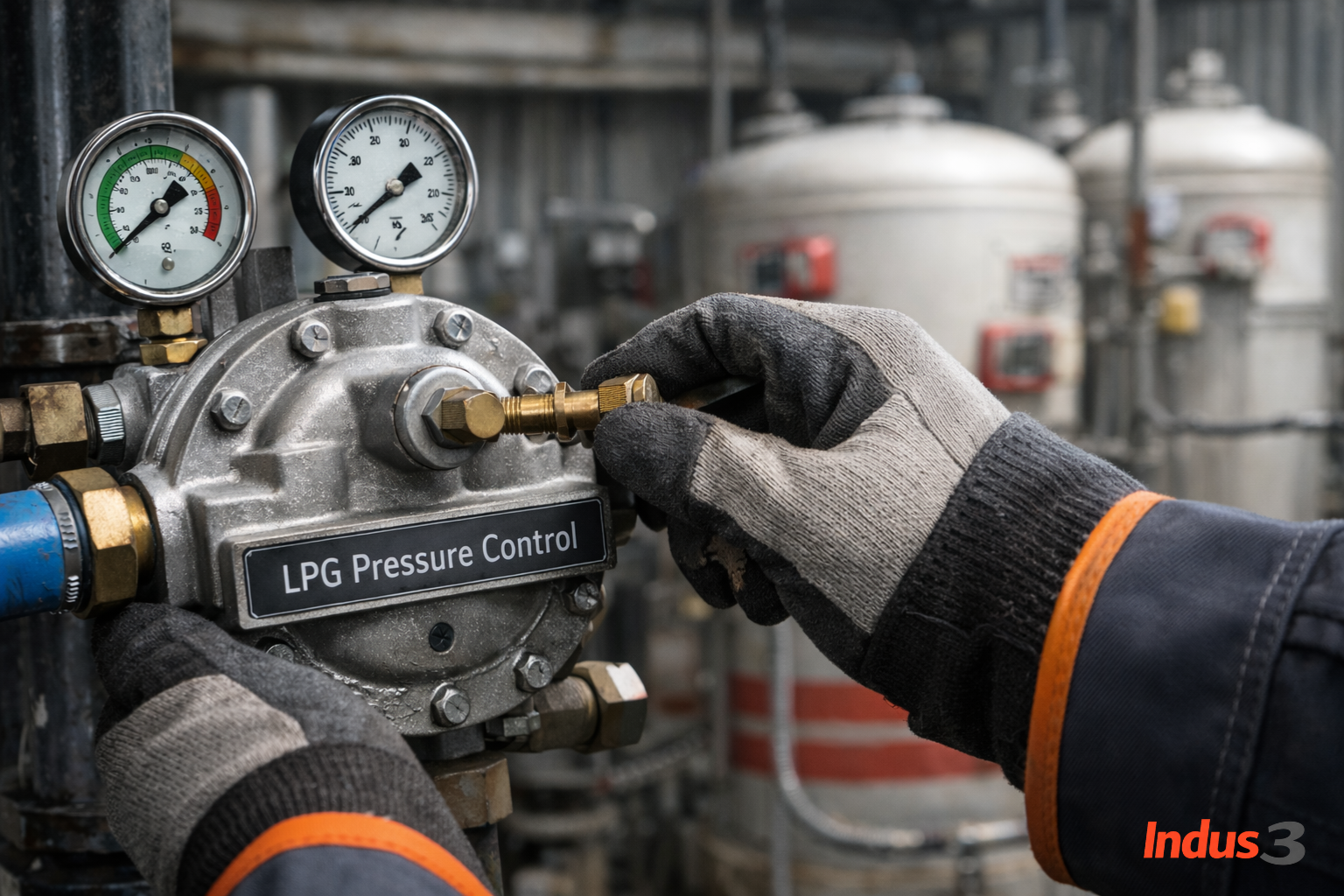
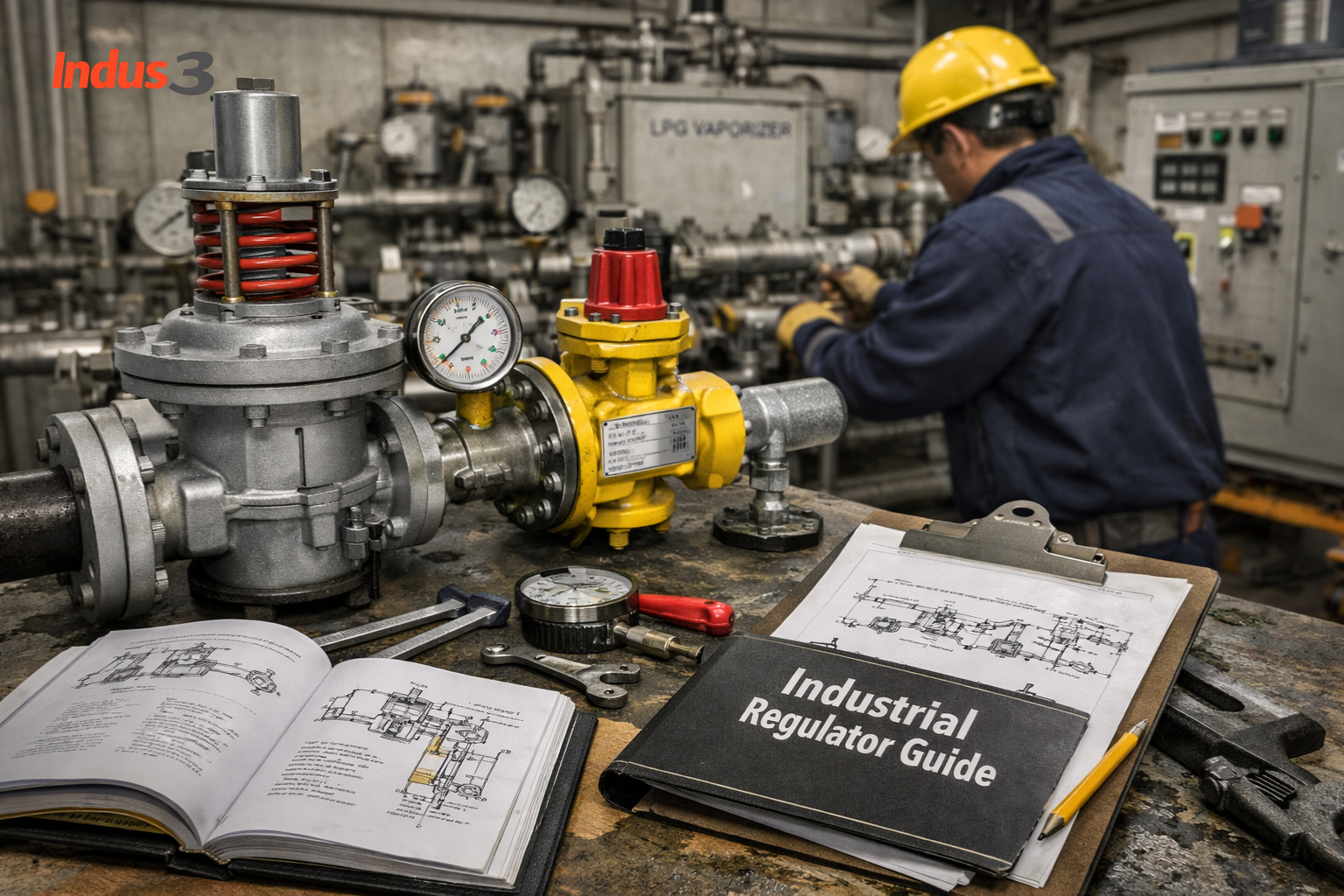
Regulator performance is another critical factor. Vaporizers do not operate in isolation. They rely on regulators to maintain consistent pressure across the system. A malfunctioning regulator can cause LPG vaporizer pressure fluctuation, leading to unstable gas delivery. In such cases, troubleshooting should extend beyond the vaporizer itself. The industrial LPG regulator guide provides a detailed understanding of how regulators influence system stability.
Freezing within regulators or pipelines can further worsen pressure instability. When LPG expands rapidly, it absorbs heat, causing temperature drop and potential icing. This restricts flow and reduces pressure output. Practical solutions for such conditions are discussed in LPG regulator freezing solutions, which highlight preventive and corrective measures.
Another major contributor to pressure issues is demand imbalance. Industrial systems often experience fluctuating load conditions. When demand exceeds vaporizer capacity, pressure drops occur. Conversely, sudden drops in demand can cause pressure spikes. These variations lead to LPG vaporizer inconsistent gas supply, which directly affects process stability.
System sizing also plays a crucial role. An undersized vaporizer struggles to meet peak demand, while an oversized system may operate inefficiently at lower loads. Both scenarios create pressure instability over time. Selecting the right equipment and configuration is essential for long-term performance, especially in large-scale operations using industrial gas regulators Pakistan.
Temperature control within the vaporizer is equally important. In water bath systems, inadequate heating reduces vaporisation rate, leading to pressure drop. In direct fired vaporizers, inconsistent burner performance can create uneven pressure output. These thermal imbalances are often overlooked during initial troubleshooting but play a significant role in system behaviour.
External environmental conditions further influence pressure dynamics. In colder climates or during winter months, vaporisation efficiency decreases significantly. This is well documented in LPG in winter Pakistan, where temperature-related challenges impact both storage and vaporization processes. According to engineering references such as Engineering Toolbox, LPG pressure and vaporisation rates are highly temperature-dependent, reinforcing the need for proper system design.
Another critical aspect is pressure measurement accuracy. Faulty gauges or poorly calibrated instruments can mislead operators. In some cases, the system may be functioning correctly, but incorrect readings lead to unnecessary interventions. Ensuring accurate instrumentation is therefore a key part of effective diagnostics.
From a system perspective, pressure failures rarely originate from a single source. They are the result of combined factors such as supply limitations, regulator issues, thermal imbalance, and demand fluctuations. Addressing only one element often provides temporary relief rather than a permanent solution.
Effective LPG vaporizer troubleshooting requires viewing pressure as a dynamic parameter rather than a fixed value. Continuous monitoring, combined with an understanding of system interactions, allows operators to identify patterns and anticipate failures before they occur.
In industrial operations, stable pressure is not just a performance requirement. It is a safety necessity. Fluctuations can lead to incomplete combustion, equipment damage, and hazardous conditions. Recognising and resolving pressure issues is therefore essential for both operational efficiency and system integrity.
Safety Risks Associated with Vaporizer Malfunctions
In industrial LPG systems, equipment failure is never just a performance issue. It is a safety concern that can escalate quickly if not handled with discipline and awareness. Vaporizers operate at the intersection of pressure, temperature, and flammable gas flow. When this balance is disturbed, the consequences extend beyond downtime. This is why LPG vaporizer troubleshooting must always include a clear understanding of associated safety risks.
One of the most immediate dangers is gas leakage. A malfunctioning vaporizer, faulty valve, or compromised seal can allow LPG to escape into the surrounding environment. Since LPG is heavier than air, it tends to accumulate at lower levels, increasing the risk of ignition. Even a minor leak can become hazardous in enclosed or poorly ventilated industrial spaces. Modern systems rely on technologies discussed in LPG leak detection technologies to identify such risks early.
Another critical hazard is pressure build-up. When flow is restricted due to blockage or valve malfunction, pressure can rise within the system. If safety mechanisms fail or are not properly maintained, this can lead to equipment rupture or explosion. This is particularly dangerous in high-demand industrial environments where pressure variations occur frequently.
Overheating is also a significant concern, especially in direct fired vaporizers. When combustion systems malfunction or temperature control fails, excessive heat can damage internal components. This not only reduces equipment lifespan but also increases the likelihood of fire. Issues such as LPG vaporizer overheating problem and LPG vaporizer temperature control issues often indicate deeper faults within the system that require immediate attention.
In contrast, insufficient heating introduces a different set of risks. When vaporizers fail to generate enough heat, LPG does not fully convert into gas. This leads to liquid carryover, unstable combustion, and potential flame failure. In such cases, the system may continue operating in an unsafe condition without obvious warning signs.
Frost formation and icing are often underestimated from a safety perspective. While they are commonly viewed as performance issues, they signal inadequate heat transfer and restricted flow. Over time, this can lead to pressure imbalance and unexpected system shutdown. In critical industrial processes, sudden loss of gas supply can disrupt operations and create hazardous situations.
Valve failures further amplify safety risks. A solenoid or safety valve that fails to close properly may allow uncontrolled gas flow. On the other hand, a valve that fails to open can create pressure build-up upstream. Reliable components such as those discussed in LPG safety valves Pakistan are essential for maintaining system integrity under such conditions.
Emergency preparedness is another key aspect of safety. Industrial facilities must be equipped to respond quickly to LPG-related incidents. This includes having clear procedures, trained personnel, and appropriate equipment in place. A structured approach to emergency handling is outlined in the LPG emergency response plan, which provides practical guidance for managing critical situations.
Fire hazards remain one of the most serious risks associated with vaporizer malfunctions. LPG is highly flammable, and any ignition source can trigger rapid combustion. This makes fire prevention equipment and safety protocols essential. Resources such as LPG fire safety equipment highlight the importance of proper safety infrastructure in industrial settings.
In many cases, safety incidents are not caused by a single failure. They result from a combination of small issues that go unnoticed or unaddressed. A minor leak combined with poor ventilation, or a pressure fluctuation alongside a faulty valve, can create conditions for a major accident. This reinforces the need for continuous monitoring and disciplined maintenance.
International safety frameworks such as NFPA and the UK’s HSE emphasise risk assessment, regular inspection, and proper system design as core principles of LPG safety. These guidelines are directly applicable to industrial operations across South Asia, where environmental and operational challenges often increase system stress.
From an operational standpoint, safety should never be treated as a separate function from performance. A well-maintained vaporizer system is inherently safer because it operates within stable parameters. Conversely, a system that frequently experiences faults is more likely to develop hazardous conditions.
Ultimately, LPG vaporizer safety issues are preventable when systems are understood, monitored, and maintained correctly. Recognising the risks associated with malfunctions is not about creating alarm. It is about ensuring that every component, every process, and every decision contributes to a controlled and secure operating environment.
Structured Troubleshooting Framework for LPG Vaporizer Systems
When vaporizer issues begin to appear, random inspection or guesswork rarely leads to reliable solutions. Industrial LPG systems are interconnected, and faults often originate from multiple interacting variables. This is why a structured approach is essential. A clear framework transforms LPG vaporizer troubleshooting from reactive repair into a systematic diagnostic process.
The first step in any troubleshooting sequence is defining the problem accurately. Operators must identify whether the issue relates to pressure, flow, temperature, or system response. Vague descriptions such as “not working properly” are not useful. Instead, precise observations like low pressure output, delayed ignition, or inconsistent flame behaviour provide a strong starting point.
Once the problem is defined, the next stage involves isolating the system into functional sections. An LPG vaporizer setup can be broadly divided into supply, vaporization, regulation, and consumption. Each section must be analysed independently before drawing conclusions. This approach reduces the risk of misdiagnosis, which is common in complex industrial systems.
The supply side should always be checked first. This includes LPG storage pressure, tank condition, and supply line integrity. If supply is unstable, downstream troubleshooting becomes ineffective. Issues such as low tank pressure or restricted flow can mimic vaporizer faults, leading to incorrect conclusions.
After confirming supply stability, attention should shift to the vaporizer itself. Here, operators should assess heat input, temperature consistency, and internal flow conditions. In water bath systems, this means checking heating elements and circulation. In direct fired systems, burner performance becomes the focus. A detailed maintenance perspective is outlined in LPG vaporizer maintenance, which supports this stage of diagnostics.
The third stage involves examining flow pathways. Pipelines, valves, and fittings must be inspected for blockages, leaks, or restrictions. Even minor obstructions can significantly affect system performance. Proper understanding of connections and fittings is essential, as explained in the LPG hose and fitting guide.
Regulation is the next critical checkpoint. Pressure regulators control the transition between vaporizer output and end-use demand. A faulty regulator can create pressure fluctuations that appear as vaporizer failure. This is why troubleshooting must always include regulator behaviour as part of the system analysis.
Once individual sections are inspected, the focus should shift to system integration. This involves observing how the system behaves under actual operating conditions. For example, does pressure drop during peak demand? Does the system stabilise at lower loads? These patterns provide valuable insight into underlying issues.
A structured LPG vaporizer troubleshooting checklist often follows a logical sequence:
- Confirm LPG supply pressure and availability
- Inspect vaporizer heating and temperature control
- Check for blockages or flow restrictions
- Verify valve and regulator operation
- Observe system behaviour under load conditions
- Validate instrumentation accuracy
This step-by-step approach ensures that no critical element is overlooked. It also helps in building a repeatable diagnostic process that can be applied across different installations.
Storage conditions should also be considered during troubleshooting. Improper storage or tank-related issues can affect overall system performance. The LPG storage tank safety guide provides important insights into how storage influences supply stability.
Instrumentation plays a supporting but essential role in diagnostics. Pressure gauges, temperature sensors, and flow indicators must be accurate and properly calibrated. Faulty readings can mislead operators and result in unnecessary interventions. Verifying instrument reliability should therefore be part of every troubleshooting routine.
Another important aspect is documentation. Recording observations, test results, and corrective actions creates a knowledge base for future reference. Over time, this helps identify recurring patterns and improves response efficiency.
International standards such as those from ISO and OSHA emphasise structured diagnostics and preventive maintenance in industrial systems. These principles align closely with effective LPG vaporizer system diagnostics, where consistency and methodical analysis are key.
In practice, the goal of troubleshooting is not just to fix the immediate issue. It is to identify the root cause and prevent recurrence. This requires patience, technical understanding, and a disciplined approach.
A structured framework ensures that every part of the system is evaluated logically. It reduces downtime, improves reliability, and supports safer operation. Without such a framework, even experienced operators may struggle to identify the true source of a problem.
Maintenance and Inspection Strategies to Prevent Recurring Failures
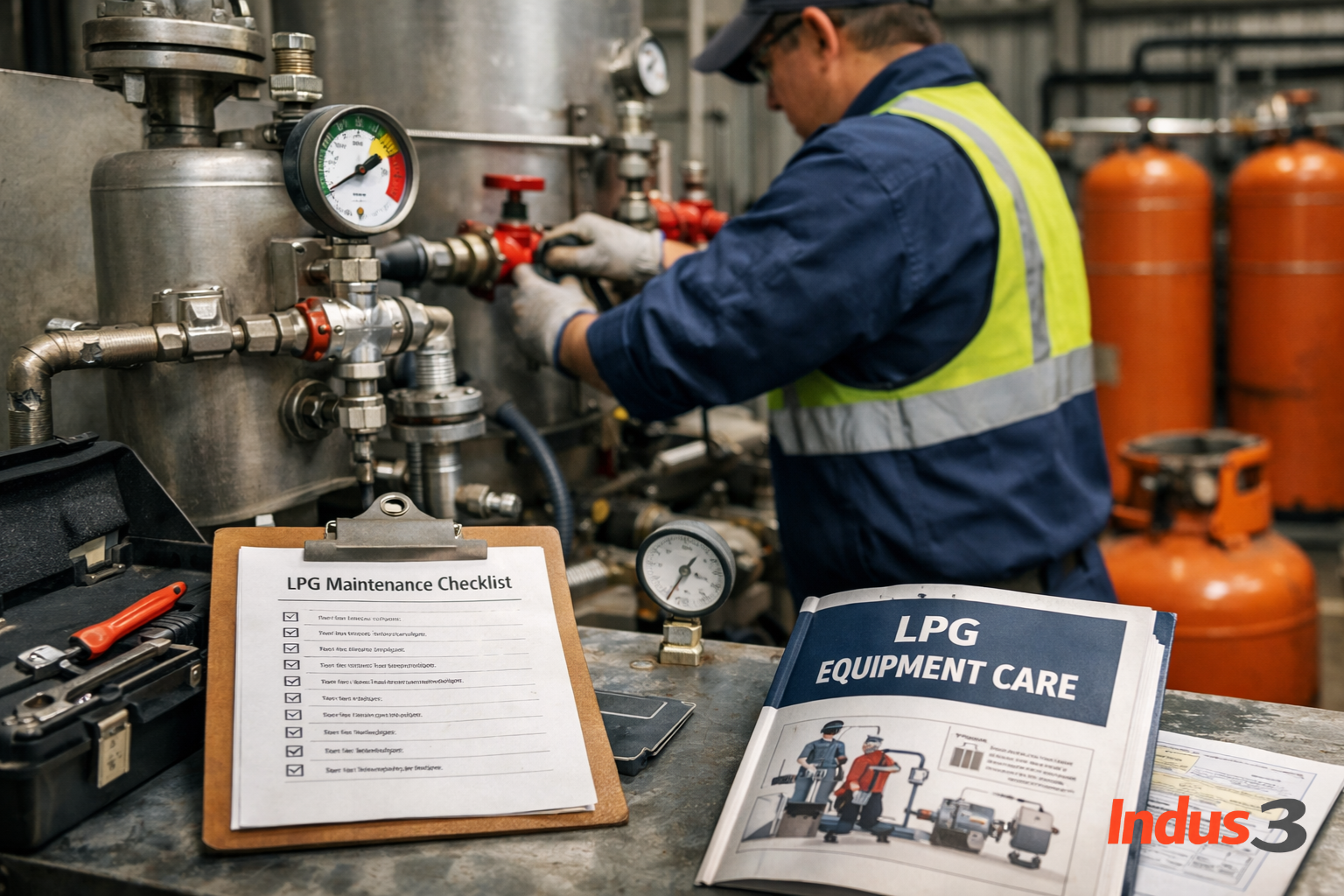
In industrial LPG systems, most failures are not sudden events. They are the result of gradual degradation that goes unnoticed until performance is affected. This is why preventive care is central to effective LPG vaporizer troubleshooting. A well-maintained system rarely experiences critical breakdowns, while a neglected one often develops recurring faults that disrupt operations.
Maintenance should not be viewed as a routine checklist performed occasionally. It is a continuous process that ensures system stability, efficiency, and safety. In practical terms, this means combining scheduled inspections with ongoing observation of system behaviour.
The first step is establishing a structured maintenance schedule. Vaporizers operate under varying loads, and their components are exposed to thermal stress, pressure changes, and environmental conditions. Without regular servicing, these factors accelerate wear. A detailed service approach can be referenced in the LPG system service schedule, which outlines how periodic checks support long-term reliability.
Routine inspection should begin with visual assessment. Operators should look for signs such as corrosion, leakage, frost formation, or abnormal wear. These indicators often appear before functional failure. For example, minor frost accumulation may signal early-stage heat transfer issues, while slight leakage points towards seal degradation.
Cleaning is another essential part of preventive maintenance. Over time, contaminants such as dust, oil residues, and moisture can accumulate within the system. These lead to flow restriction and reduced efficiency. A proper LPG vaporizer cleaning process ensures that internal pathways remain clear and functional. This is particularly important in industrial environments where operating conditions are not always controlled.
Valve integrity must also be checked regularly. Valves are critical for controlling gas flow and maintaining system safety. Faulty or worn valves can lead to pressure imbalance, leakage, or operational instability. High-quality components such as those discussed in LPG safety valves Pakistan play a key role in maintaining system reliability when combined with proper inspection.
Connections and fittings are often overlooked during maintenance, yet they are common sources of failure. Loose fittings, worn hoses, or improper installation can create leaks and pressure drops. Regular inspection of components like those covered in LPG hose fittings Pakistan ensures that the system remains secure and leak-free.
Thermal performance should also be monitored consistently. In water bath vaporizers, maintaining correct temperature levels is critical for efficient vaporisation. In direct fired systems, burner performance must be stable and properly calibrated. Any deviation in heat input directly affects output pressure and gas quality.
A comprehensive LPG vaporizer maintenance checklist typically includes:
- Inspection of vaporizer body and external components
- Verification of temperature control systems
- Cleaning of internal pathways and filters
- Checking valves, regulators, and connections
- Leak detection and pressure testing
- Calibration of gauges and sensors
This checklist provides a structured approach that can be adapted to different industrial setups. The key is consistency. Irregular maintenance creates gaps that allow minor issues to develop into major failures.
Another important aspect is documentation. Maintenance records help track equipment condition over time. They also provide valuable data for identifying recurring issues and improving system design or operation. Without proper records, troubleshooting becomes reactive rather than informed.
Environmental conditions should also be considered when planning maintenance. In regions with high humidity or temperature variation, systems may require more frequent inspection. Seasonal changes, particularly winter conditions in Pakistan, can introduce additional stress on vaporizer performance.
International safety and operational standards such as those from HSE and ISO emphasise preventive maintenance as a core requirement for industrial gas systems. These guidelines reinforce the idea that reliability is not achieved through repair, but through consistent care and monitoring.
It is also important to involve trained personnel in maintenance activities. Skilled technicians can identify subtle issues that may not be visible during routine checks. Their expertise ensures that inspections go beyond surface-level observation and address underlying system conditions.
Ultimately, effective maintenance is about control. It allows operators to manage system behaviour rather than react to unexpected failures. When maintenance strategies are implemented correctly, LPG vaporizer problems become predictable, manageable, and often preventable.
Preventing recurring failures is not about increasing effort. It is about applying the right practices at the right time. In industrial LPG systems, this approach directly translates into improved efficiency, reduced downtime, and enhanced safety.