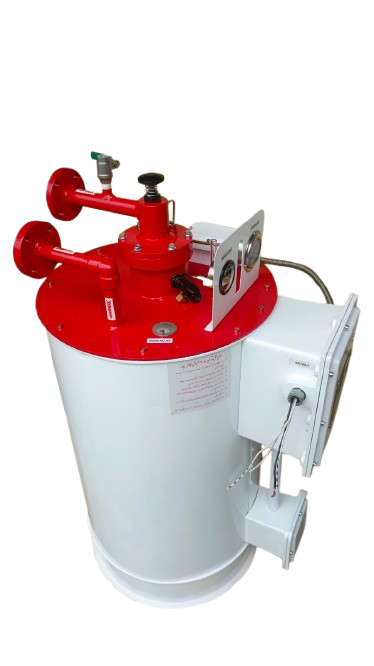
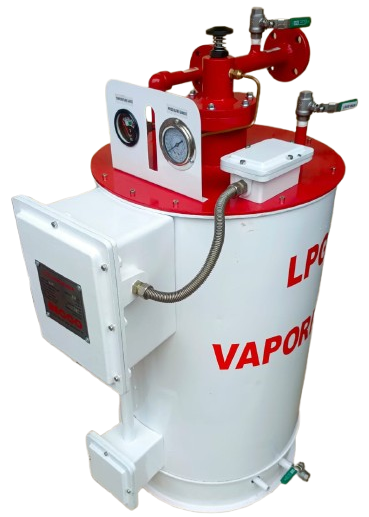
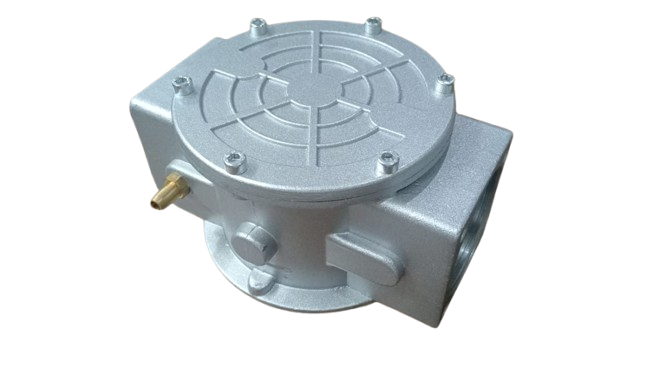
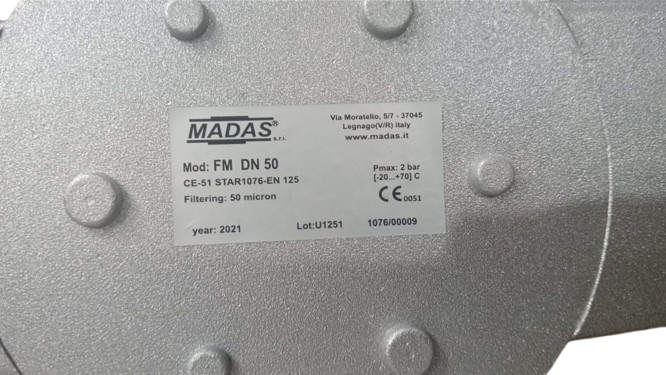
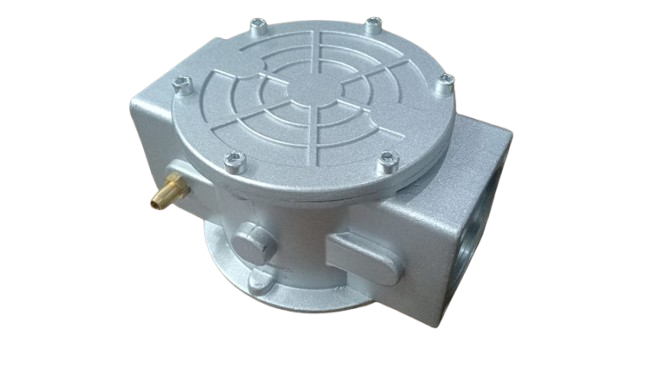
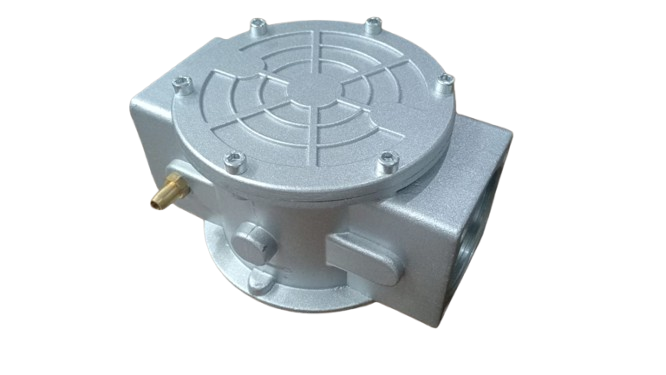
RECO LPG Regulator Price in Pakistan: Industrial vs Local Alternatives
Understanding the Role of LPG Regulators in Industrial Gas Systems
Liquefied Petroleum Gas has become an essential industrial energy source across Pakistan. From textile mills and food processing plants to ceramic manufacturing and poultry farms, LPG provides a reliable alternative to diesel and natural gas. However, the safe and efficient use of LPG depends heavily on one critical component in the gas supply chain: the LPG regulator.
An LPG regulator is responsible for controlling and stabilising gas pressure as it moves from a storage cylinder or tank into an industrial system. LPG stored in cylinders or bulk tanks exists under high pressure. Industrial equipment such as burners, vaporizers, ovens, heaters, and boilers cannot operate safely under that pressure. The regulator reduces this pressure to a controlled and usable level.
Without proper pressure regulation, LPG systems become unstable. Gas flow may fluctuate, burners may produce inconsistent flames, and equipment efficiency drops significantly. In extreme cases, improper pressure control can create dangerous situations including gas leaks, system shutdowns, or fire hazards.
This is why regulators are considered one of the most important safety and control components in industrial LPG systems.
How LPG Regulators Work in Industrial Systems
Industrial LPG regulators function through a pressure balancing mechanism that uses a diaphragm and spring assembly. High pressure gas enters the regulator from the cylinder or storage tank. Inside the regulator, the diaphragm responds to downstream pressure and adjusts the valve opening accordingly.
When downstream pressure drops, the regulator opens slightly to allow more gas flow. When pressure rises, the regulator restricts the flow. This continuous adjustment maintains a stable output pressure suitable for industrial equipment.
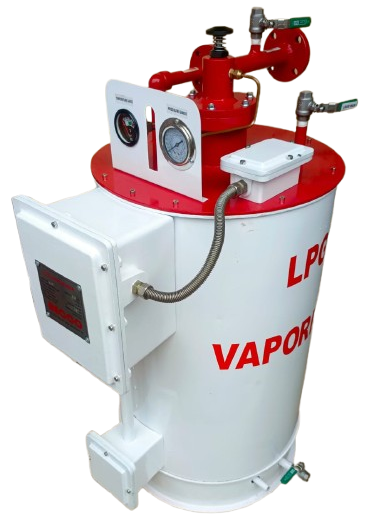
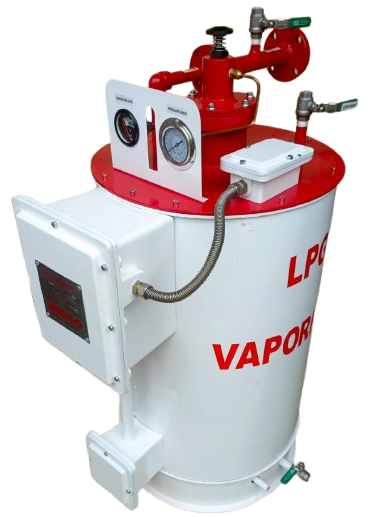
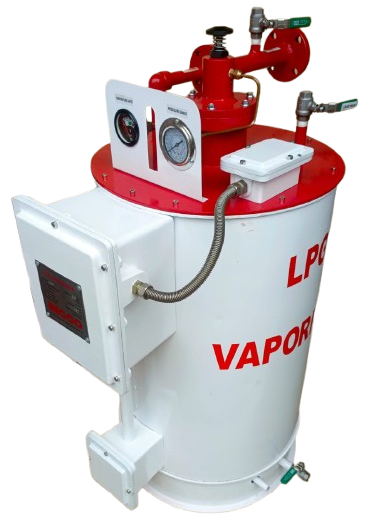
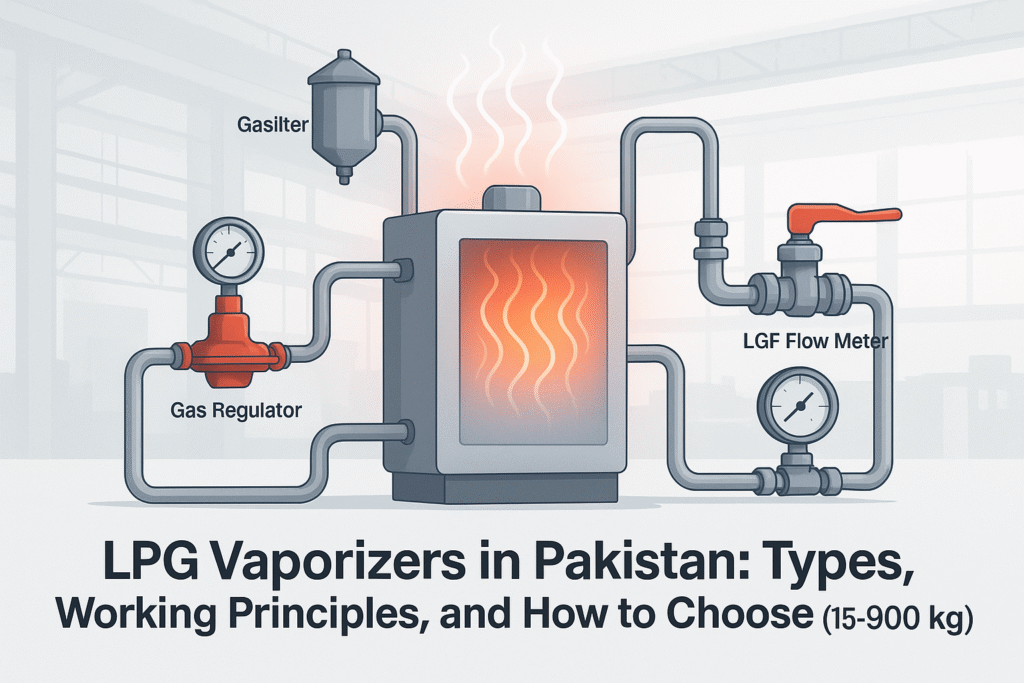
In larger installations, regulators are often used together with vaporizers and gas distribution lines. Vaporizers convert liquid LPG into gas form, while regulators maintain the correct pressure level for the entire pipeline network.
For engineers designing LPG systems, understanding how these components interact is essential. The relationship between vaporizers and regulators is explained in detail in the guide on how LPG vaporizers work, which outlines the pressure management process inside industrial gas networks.
Why Pressure Regulation Matters for Industrial Efficiency
Pressure stability directly influences combustion efficiency. Industrial burners are calibrated to operate within a specific pressure range. If pressure becomes too high, gas flow increases beyond the burner’s design capacity, causing unstable flames and excessive fuel consumption.
If pressure becomes too low, burners struggle to maintain ignition. Production equipment may shut down or operate inefficiently, affecting product quality and operational productivity.
Industrial operators therefore rely on high quality LPG gas regulators to maintain consistent pressure across the entire system. This is particularly important in continuous production environments where even minor fluctuations can interrupt operations.
A properly selected LPG pressure regulator ensures:
-
Stable gas flow to industrial burners
-
Consistent flame characteristics
-
Improved fuel efficiency
-
Reduced equipment wear
-
Enhanced operational safety
These factors explain why professional LPG system design prioritises regulator selection alongside other components such as hoses, fittings, and safety valves. For example, engineers often consult detailed resources such as the LPG hose and fitting guide to ensure every component in the gas supply network works together correctly.
LPG Regulators in Pakistan’s Industrial Landscape
In Pakistan, LPG is widely used in industries where natural gas supply is unreliable or unavailable. Small factories often rely on cylinder based systems, while larger facilities use bulk storage tanks and vaporizers.
In both setups, regulators serve as the primary pressure control device. However, the type of regulator used can vary significantly depending on the system size and pressure requirements.
For instance, a small commercial bakery using LPG cylinders may operate with a basic low pressure LPG cylinder regulator. On the other hand, a textile factory operating multiple burners requires industrial grade high pressure LPG regulators designed for continuous operation.
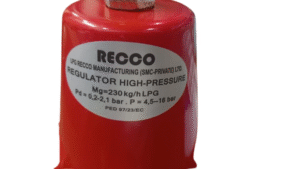
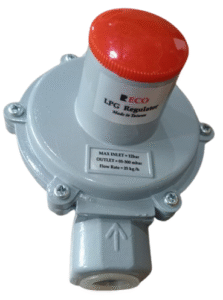
Understanding these differences becomes particularly important when analysing the RECO LPG regulator price Pakistan market. Imported industrial regulators are typically engineered for high performance and durability, while many locally available alternatives focus on lower cost solutions.
These distinctions between industrial and local regulators play a major role in pricing, reliability, and long term operational safety. In the following sections, we will examine how regulator design, manufacturing standards, and system requirements influence LPG regulator pricing in Pakistan’s industrial sector.
RECO LPG Regulator Price in Pakistan and What Influences It
In Pakistan’s industrial LPG market, the price of a regulator can vary dramatically depending on the type, origin, pressure capacity, and certification of the equipment. When engineers or plant operators search for the RECO LPG regulator price Pakistan, they are usually comparing imported industrial grade regulators with locally manufactured alternatives that appear similar but often differ significantly in performance and reliability.
Understanding what actually drives LPG regulator pricing helps businesses make better procurement decisions and avoid long term operational risks.
Typical LPG Regulator Price Range in Pakistan
The price of LPG regulators in Pakistan can range widely depending on whether the equipment is intended for domestic use, commercial kitchens, or heavy industrial applications.
Domestic LPG cylinder regulators available in local markets are typically inexpensive because they operate at low pressure and are designed for intermittent household usage. These regulators are not suitable for industrial systems where gas demand is continuous and pressure control must remain stable under heavy load.
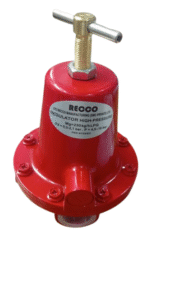
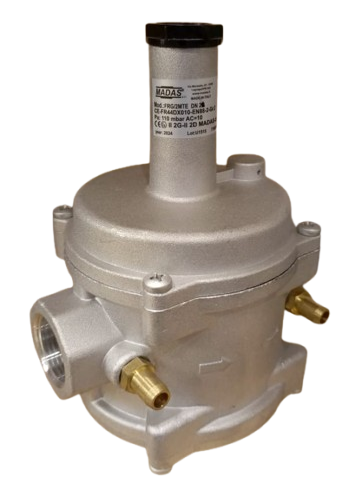
Industrial LPG regulators, especially imported brands such as RECO, Chiyoda Seiki, or Itokoki, are designed to operate under higher pressures and demanding environments. These regulators are built with stronger materials, precision engineered diaphragms, and safety mechanisms that allow them to maintain stable pressure across large gas supply networks.
As a result, the lpg gas regulator price in Pakistan for industrial equipment is considerably higher than simple domestic models.
Key Factors That Influence LPG Regulator Pricing
Several engineering and manufacturing factors determine the price of a regulator.
Pressure capacity is one of the most important. High pressure LPG regulators designed for industrial burners or vaporizers must withstand higher inlet pressures and deliver consistent downstream pressure without fluctuations.
Material quality also plays a major role. Industrial regulators are often constructed from brass alloys, stainless steel, and heavy duty diaphragm materials that resist corrosion and wear.
Lower cost regulators often use lighter metals or less durable components that degrade faster under continuous use.
Precision engineering is another factor. Industrial regulators require accurate calibration to maintain stable gas pressure. Even minor inconsistencies can disrupt combustion processes in burners and heating equipment.
This is why imported regulators tend to cost more. They are produced under strict manufacturing standards and undergo rigorous pressure testing before entering the market.
Businesses evaluating industrial gas systems often explore guides such as the industrial gas regulator guide to understand how pressure ratings, materials, and certifications influence regulator performance.
Certification and Compliance Costs
International certifications also contribute to regulator pricing. Industrial regulators are often manufactured in accordance with global standards such as ISO pressure control specifications and safety guidelines established by organisations like the World LPG Association.
Certified regulators undergo extensive testing to ensure they can operate safely under high pressure conditions and harsh industrial environments. These certification processes add to manufacturing costs but significantly improve safety and reliability.
You can explore industry safety standards through the World LPG Association at
https://www.worldlpg.org
In contrast, many low cost regulators available in local markets may not carry internationally recognised certifications. While they may appear visually similar, their internal components and pressure control mechanisms often lack the precision required for industrial systems.
System Size and Gas Consumption
The size of the LPG system also affects regulator selection and pricing.
Facilities with higher gas consumption require regulators capable of handling larger gas flow volumes. These systems may use multi stage pressure regulation, where a primary regulator reduces tank pressure and a secondary regulator stabilises distribution pressure before the gas reaches industrial burners.
Engineers often estimate gas demand using tools like the LPG consumption calculator Pakistan to determine the correct regulator capacity for their installation.
Using an undersized regulator in a high demand system can cause pressure drops, unstable flames, and equipment inefficiency.
Imported vs Local Regulator Pricing
The debate between imported and locally manufactured regulators is common in Pakistan’s LPG market.
Imported regulators such as RECO often command higher prices because of their engineering quality, durability, and international certifications. These regulators are designed for industrial reliability and long service life.
Local regulators, on the other hand, are usually cheaper and widely available. However, their long term performance may vary depending on manufacturing quality and operating conditions.
For industrial operators, the decision is rarely about price alone. Reliability, safety, and system efficiency play a much larger role in determining the true value of an LPG regulator.
Industrial vs Local LPG Regulators: Engineering Differences That Affect Performance
When industrial buyers compare equipment in Pakistan’s LPG market, the discussion often begins with price. However, the difference between industrial grade regulators and locally manufactured alternatives goes far beyond cost. Engineering design, materials, pressure stability, and long term reliability all play critical roles in determining how a regulator performs inside an industrial gas system.
Understanding these technical differences is essential for engineers and plant operators who are evaluating the RECO LPG regulator price Pakistan against locally available options.
Engineering Design and Pressure Control
Industrial LPG regulators are designed to maintain extremely stable outlet pressure even when gas demand fluctuates. In factories where burners operate continuously, gas flow can change rapidly as equipment cycles on and off. A high quality regulator must respond instantly to these variations without causing pressure spikes or drops.
This pressure stability is achieved through precision engineered diaphragm mechanisms, calibrated springs, and balanced valve systems. Industrial regulators are typically designed with tight tolerance components that allow the regulator to respond smoothly to pressure changes.
Many locally available regulators, especially those intended for small commercial or domestic applications, do not offer the same level of precision. Their internal mechanisms may work adequately under light usage, but under continuous industrial loads the pressure output can become inconsistent.
This is one of the main reasons industrial engineers often prefer high pressure LPG regulators from established manufacturers. Stable pressure control directly improves burner performance and fuel efficiency.
Material Quality and Durability
Another major difference lies in the materials used in regulator construction.
Industrial regulators are typically manufactured using high grade brass alloys, stainless steel components, and reinforced diaphragms designed to withstand high temperatures and pressure cycles. These materials ensure the regulator can operate reliably in demanding industrial environments where vibration, heat, and continuous gas flow are common.
In contrast, lower cost regulators often use lighter metals or simplified internal components. While these designs may reduce manufacturing costs, they can lead to faster wear and tear, especially in systems where gas consumption is high.
Over time, diaphragm fatigue, spring weakening, or valve erosion can affect pressure accuracy. When this happens, gas flow becomes unstable and combustion efficiency declines.
Industrial LPG systems rely on consistent pressure regulation because unstable gas supply can affect multiple components across the distribution network. For example, regulators must work alongside burners, vaporizers, and pipeline fittings to maintain safe system operation. Equipment compatibility is discussed further in resources such as the LPG vaporizer applications guide, which explains how different LPG components interact within industrial installations.
Single Stage vs Multi Stage Regulation
Another important engineering difference is the type of pressure regulation used.
Domestic or light commercial LPG systems often use single stage regulators, where the pressure reduction happens in one step. These regulators are simple and suitable for small gas loads.
Industrial installations, however, often require multi stage regulation systems. In these systems, a high pressure regulator first reduces tank pressure to an intermediate level. A second stage regulator then delivers stable low pressure gas to burners and industrial equipment.
This multi stage configuration improves system stability and allows gas flow to remain consistent even when demand fluctuates significantly.
Industrial regulators are specifically engineered for this type of application, with high pressure tolerance and accurate pressure control.
Impact on Burner Efficiency
Gas burners rely on a precise air to fuel mixture for proper combustion. Even slight variations in gas pressure can disrupt this balance.
When a regulator fails to maintain consistent pressure, burners may produce unstable flames, incomplete combustion, or higher fuel consumption. In manufacturing environments where burners operate for long periods, this inefficiency can lead to higher operating costs and inconsistent product quality.
Industrial grade regulators help prevent these issues by delivering steady gas pressure regardless of system demand. This reliability is particularly important in industries such as food processing, ceramics, textile production, and poultry heating, where temperature control directly affects production outcomes.
Many engineers reviewing regulator performance also consider how the regulator integrates with other gas system components such as burner assemblies. Technical resources like the burner spare parts guide often highlight how stable gas pressure supports efficient combustion.
Long Term Operational Reliability
From an operational perspective, the biggest difference between industrial and local regulators is long term reliability.
Industrial regulators are designed for continuous operation. They undergo pressure testing, durability testing, and safety validation before entering the market. This engineering process ensures the regulator can maintain stable performance for years when installed and maintained properly.
Local regulators may function well in smaller systems but can struggle in heavy industrial environments where gas flow is constant and system pressure is higher.
For businesses evaluating equipment investment, this distinction explains why imported regulators often command higher prices. The cost reflects not only manufacturing quality but also engineering reliability that supports safe and efficient industrial operations.
Safety Risks of Low Quality LPG Regulators in Industrial Applications
In industrial environments where LPG is used as a primary energy source, safety depends heavily on the reliability of pressure control equipment. While regulators may appear to be small components within a gas system, they play a critical role in preventing pressure instability, gas leakage, and combustion hazards. When businesses evaluate the RECO LPG regulator price Pakistan, the conversation often focuses on cost differences. However, the true concern for engineers is usually safety and operational reliability.
Low quality regulators can introduce serious risks into industrial LPG systems, particularly when they are exposed to continuous gas flow, high pressure conditions, and demanding operational cycles.
Pressure Instability and Flame Irregularities
One of the most common problems associated with poor quality regulators is unstable gas pressure. Industrial burners rely on a consistent pressure supply to maintain proper combustion. When a regulator fails to maintain steady outlet pressure, the gas flow to the burner fluctuates.
These fluctuations can produce irregular flames, incomplete combustion, and sudden burner shutdowns. In manufacturing environments such as textile processing, ceramic kilns, and food production facilities, unstable combustion can disrupt production processes and damage equipment.
Pressure instability can also lead to gas accumulation inside combustion chambers, increasing the risk of flashback or delayed ignition. This type of situation can cause serious damage to burner assemblies and gas pipelines.
Industrial engineers often implement monitoring systems and leak detection technologies to reduce these risks. For example, modern facilities increasingly rely on equipment described in the LPG leak detection technologies guide, which explains how gas sensors and monitoring systems help identify pressure and leakage issues before they escalate into dangerous incidents.
Gas Leakage and Component Failure
Another major safety concern is gas leakage caused by regulator failure. Inside every LPG regulator is a diaphragm mechanism responsible for balancing gas pressure. If the diaphragm deteriorates due to poor material quality or manufacturing defects, the regulator may no longer control pressure properly.
When this happens, gas may escape through the regulator housing or downstream connections. Even small leaks can accumulate in enclosed industrial environments, creating a serious explosion hazard.
Industrial regulators are designed with durable diaphragms, corrosion resistant materials, and reinforced seals to prevent such failures. Lower quality regulators may use thinner diaphragm materials that degrade more quickly under continuous use.
Regular inspection of gas systems is therefore essential. Industrial facilities often incorporate leak detection devices and safety shutoff valves to minimise risks. Advanced monitoring equipment such as the systems discussed in the LPG gas leak detector Pakistan guide can provide early warnings of gas leaks before they become dangerous.
Regulator Freezing and Flow Blockage
In high demand LPG systems, another potential problem is regulator freezing. When LPG expands rapidly during pressure reduction, the temperature inside the regulator can drop significantly. If moisture is present, this can cause ice formation inside the regulator mechanism.
Industrial grade regulators are designed to minimise this risk through improved internal flow design and materials that handle temperature changes more effectively.
Lower quality regulators may be more susceptible to freezing, particularly in cold weather conditions or high flow environments. Frozen regulators restrict gas flow, which can cause burner shutdowns or unstable combustion.
Facilities operating LPG systems during winter often encounter these issues. Engineering solutions and preventive strategies are discussed in the LPG regulator freezing solutions guide, which outlines methods for preventing pressure regulator freeze ups in industrial installations.
Fire Hazards in Industrial LPG Systems
Poor pressure regulation can also increase the risk of fire incidents. When regulators fail to control gas flow properly, excess gas may enter burners or pipeline systems. This increases flame intensity beyond the design capacity of the equipment.
Over time, excessive heat can damage burner components, gas valves, and pipeline fittings. In extreme situations, uncontrolled gas flow may lead to flash fires or explosions.
Industrial LPG systems therefore incorporate multiple safety layers including regulators, safety valves, flame arrestors, and fire suppression equipment. Facilities often rely on specialised equipment described in the LPG fire safety equipment guide to protect workers and infrastructure from gas related hazards.
The Real Cost of Cheap Regulators
Although lower cost regulators may appear attractive from a procurement perspective, the potential risks associated with poor quality pressure control can far outweigh the initial savings. Equipment failure, production downtime, and safety incidents can result in significantly higher long term costs.
This is why many industrial operators prioritise reliability, certification, and engineering quality when selecting regulators for LPG systems. Investing in well designed regulators helps ensure consistent gas pressure, stable combustion, and safe system operation.
Types of LPG Regulators Used in Pakistan’s Industrial Sector
Industrial LPG systems across Pakistan vary widely in size, complexity, and gas consumption. A small commercial kitchen may use only a few cylinders, while large factories may operate bulk storage tanks, vaporizers, and extensive pipeline networks. Because of these differences, LPG systems require different types of regulators to maintain safe and stable gas pressure.
When engineers evaluate the RECO LPG regulator price Pakistan, they are usually considering a specific type of regulator suited for industrial pressure requirements. Understanding the major regulator types used in Pakistan’s industrial sector helps explain how these devices function within complex gas distribution systems.
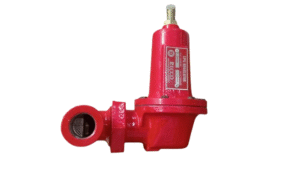
High Pressure LPG Regulators
High pressure regulators are typically installed directly at the LPG storage source. This source may be a cylinder manifold system or a bulk storage tank. LPG stored in cylinders or tanks exists under high pressure, which can exceed several hundred kilopascals depending on temperature and storage conditions.
A high pressure LPG regulator reduces this pressure to a controlled intermediate level before the gas enters the main distribution pipeline.
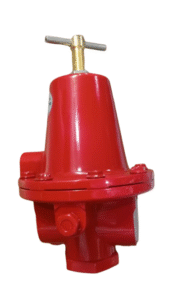
These regulators are engineered with strong diaphragm assemblies and pressure control springs capable of handling high inlet pressure without compromising stability. In industrial installations, they serve as the first stage of pressure reduction.
Facilities using bulk LPG storage systems often combine these regulators with vaporizers to maintain consistent gas supply. The interaction between storage systems and vaporizers is explained in detail in the guide on industrial LPG vaporizers in Pakistan, which outlines how vaporizers convert liquid LPG into gas before it reaches the regulator stage.
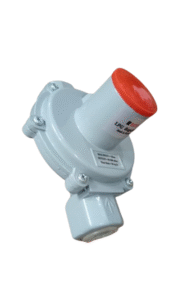
Low Pressure LPG Regulators
Low pressure regulators are commonly installed further downstream in the gas pipeline network. Their primary function is to stabilise gas pressure before it reaches burners, heating equipment, or industrial appliances.
Unlike high pressure regulators, these devices operate at lower outlet pressures that match the requirements of industrial burners and combustion systems.
In many manufacturing environments, stable low pressure gas supply is essential for maintaining consistent flame characteristics. Even slight variations in pressure can influence the air fuel mixture inside burners, affecting combustion efficiency and production quality.
Low pressure regulators therefore play a critical role in ensuring gas flow remains stable across the distribution system.
Second Stage LPG Regulators
Many industrial LPG installations use a two stage pressure regulation system. In this configuration, the first regulator reduces storage tank pressure to an intermediate level. A second stage regulator then further reduces the pressure to a safe operating level for equipment.
This multi stage approach provides several advantages. It improves pressure stability across long gas pipelines, reduces stress on individual regulators, and allows the system to handle fluctuating gas demand more effectively.
Second stage regulators are especially common in facilities with multiple burners operating simultaneously. They help ensure that each burner receives a stable gas supply regardless of system load.
Industrial system designers often refer to technical resources such as the industrial LPG regulator guide when selecting appropriate regulator configurations for large scale installations.
Back Pressure Regulators
Back pressure regulators serve a different function from standard pressure reducing regulators. Instead of controlling downstream pressure, they maintain a set pressure within the upstream section of the gas system.
These regulators are commonly used in specialised industrial applications where maintaining stable upstream pressure is necessary for proper system operation.
For example, some gas distribution systems include back pressure regulators to protect vaporizers, compressors, or process equipment from pressure fluctuations caused by varying gas demand.
Although not used in every installation, back pressure regulators provide an additional layer of pressure control in complex LPG systems.
Regulators with Pressure Gauges
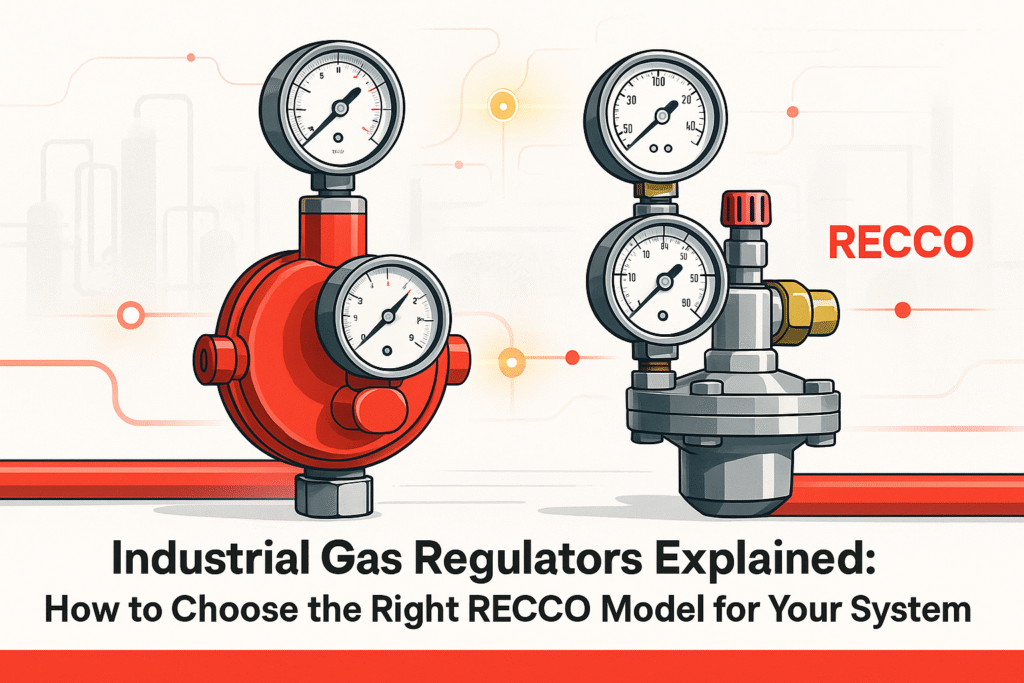
Another common configuration in industrial settings is the LPG regulator with pressure gauge. These regulators include integrated gauges that allow operators to monitor inlet and outlet pressure directly at the regulator.
Pressure gauges provide valuable diagnostic information. If pressure readings fall outside the expected range, technicians can quickly identify potential problems such as gas supply restrictions, regulator malfunction, or pipeline leakage.
Monitoring pressure levels also helps operators optimise system efficiency. Stable pressure readings indicate that the regulator and pipeline network are functioning correctly.
Many facilities integrate regulator monitoring into broader LPG system management strategies. Components such as hoses, valves, and fittings must all work together to maintain safe gas flow. Installation practices and compatibility considerations are discussed in resources such as the LPG hose fittings guide, which explains how pipeline components influence gas distribution stability.
Choosing the Right Regulator Type
Selecting the correct LPG regulator type depends on several factors including system pressure, gas consumption rate, equipment requirements, and pipeline design.
Small commercial systems may operate effectively with a single stage low pressure regulator. Large industrial installations, however, often require a combination of high pressure, second stage, and monitoring regulators to maintain stable pressure across the entire network.
Understanding these regulator types is essential when comparing industrial regulators with locally available alternatives. Differences in design and pressure capacity often explain the price variations seen in the lpg regulator Pakistan market.
Regulatory Standards and Compliance for LPG Equipment in Pakistan
Industrial LPG systems operate under strict safety expectations because LPG is a highly combustible fuel. In Pakistan, regulators, pipelines, storage tanks, and related equipment must follow technical guidelines designed to prevent accidents and ensure safe operation. When companies analyse the RECO LPG regulator price Pakistan, they often overlook one critical factor that directly influences pricing: regulatory compliance.
Industrial regulators that meet recognised safety standards generally cost more because they are manufactured, tested, and certified according to international engineering requirements. These standards help ensure that the equipment performs reliably under high pressure conditions and reduces the risk of gas related incidents.
Why LPG Regulations Exist
LPG is stored as a pressurised liquid and expands rapidly when released as gas. If pressure is not controlled correctly, it can lead to leaks, fires, or explosions. Industrial systems handle much larger volumes of gas than domestic installations, which increases the potential risk.
Regulations therefore exist to control how LPG is stored, transported, distributed, and consumed in industrial environments.
These rules define safety requirements for equipment such as regulators, valves, pipelines, storage tanks, and gas detection systems. They also establish procedures for installation, inspection, and maintenance of LPG infrastructure.
For engineers designing gas systems, regulatory compliance is not optional. It is a fundamental requirement for protecting workers, facilities, and surrounding communities.
LPG Safety Regulations in Pakistan
In Pakistan, LPG operations are overseen primarily by government regulatory authorities responsible for energy safety and industrial compliance. These authorities establish guidelines related to LPG storage, distribution, and equipment usage.
Industrial facilities must ensure that LPG equipment meets recognised safety standards and that installations follow proper engineering practices.
Compliance typically covers several key areas:
• LPG storage tank design and placement
• Gas pipeline installation and pressure control
• Use of certified regulators and safety valves
• Emergency response planning and leak detection systems
• Fire safety equipment and inspection procedures
Industrial operators often consult technical guidance such as the LPG storage compliance in Pakistan guide to understand how storage tanks and regulators must be installed to meet safety requirements.
International Standards Influencing LPG Equipment
Many industrial LPG regulators available in Pakistan are designed according to international engineering standards. These standards ensure that regulators can maintain accurate pressure control even under demanding industrial conditions.
One widely referenced organisation is the World LPG Association, which provides global guidance on LPG safety and equipment standards. Their publications help manufacturers and engineers maintain consistent safety practices across different countries.
Industry standards and safety recommendations can be explored through the World LPG Association at
https://www.worldlpg.org
International standards typically define testing requirements for regulators, including pressure endurance testing, diaphragm durability testing, and leak resistance testing.
Imported regulators that comply with these standards often undergo extensive certification procedures before being approved for industrial use.
Pipeline and Installation Regulations
Another important aspect of LPG compliance relates to gas pipeline installation. Improperly installed pipelines can create pressure imbalances or increase the risk of leaks.
Industrial installations must follow strict guidelines regarding pipeline materials, joint connections, pressure ratings, and safety valves.
Correct installation also requires compatibility between regulators, hoses, and fittings. System designers frequently refer to resources such as the LPG hose and fitting guide to ensure pipeline components meet pressure requirements and safety specifications.
Improper installation can cause pressure drops, equipment failure, or gas leakage. This is why regulators must be selected based on both pressure capacity and system design.
Transportation and Storage Safety
Regulations also govern how LPG is transported and stored before it reaches industrial facilities. Cylinders and bulk tanks must follow safety standards that control pressure containment, valve protection, and transport procedures.
Transportation safety guidelines ensure that LPG remains stable during delivery and handling.
Industrial facilities that store large volumes of LPG must also comply with spacing requirements, ventilation rules, and fire safety measures. These requirements help reduce the impact of potential gas leaks or fire incidents.
Operational safety practices related to LPG transport and storage are discussed in resources such as the LPG transportation safety Pakistan guide, which outlines best practices for safe gas logistics.
Compliance and Equipment Quality
Ultimately, regulatory compliance reinforces the importance of using reliable LPG equipment. Certified regulators are designed to operate safely under industrial pressure conditions and are tested to ensure accurate pressure control.
While low cost regulators may appear attractive initially, they may not meet the same safety or durability standards required for industrial applications.
For businesses operating LPG powered systems, compliance is not just about meeting legal requirements. It is about protecting employees, maintaining production continuity, and ensuring long term operational safety.
How Engineers and Plant Managers Evaluate LPG Regulator Pricing
When industrial buyers search for the RECO LPG regulator price Pakistan, the decision is rarely based on price alone. Engineers, procurement managers, and plant operators typically evaluate regulators using a broader technical and operational framework. The goal is not simply to purchase a component, but to ensure the regulator can support stable gas supply, efficient combustion, and safe long term operation.
Industrial LPG systems often operate continuously for many hours every day. In such environments, the reliability of a regulator directly affects production efficiency, fuel consumption, and equipment lifespan.
Looking Beyond the Initial Purchase Cost
One of the first considerations engineers evaluate is the difference between initial purchase cost and lifecycle cost. A regulator with a lower upfront price may seem attractive during procurement, but it can become expensive if it fails frequently or causes inefficiencies in the gas system.
Lifecycle cost analysis typically includes factors such as maintenance requirements, replacement frequency, and operational reliability. Industrial grade regulators that maintain stable pressure for longer periods reduce the need for frequent adjustments or replacements.
For facilities operating large LPG systems, even small pressure fluctuations can affect gas consumption. Engineers often monitor fuel usage using tools such as the LPG consumption calculator Pakistan to estimate how pressure stability influences overall energy efficiency.
A reliable regulator can therefore reduce long term operational costs by improving fuel utilisation and reducing system downtime.
Pressure Stability and System Performance
Another critical evaluation factor is pressure stability. Industrial burners require consistent gas pressure to maintain the correct air fuel mixture. If pressure fluctuates, burners may produce unstable flames or inefficient combustion.
Engineers therefore examine the regulator’s pressure control accuracy and response time. High quality regulators maintain steady outlet pressure even when gas demand changes rapidly across the system.
In facilities where multiple burners operate simultaneously, regulators must respond quickly to prevent pressure drops. Poor pressure control can cause equipment shutdowns or production interruptions.
Stable pressure regulation is especially important in automated LPG systems where sensors and control systems rely on consistent gas supply conditions. Modern facilities often integrate gas systems with automation technologies to monitor energy usage and equipment performance. Industrial gas automation concepts are discussed in the industrial LPG automation guide, which highlights how pressure control equipment integrates with digital monitoring systems.
Maintenance and Serviceability
Maintenance requirements are another major factor when evaluating regulator pricing. Industrial regulators must operate reliably under continuous use, often in environments with high temperatures, dust, or vibration.
Engineers prefer regulators that are easy to service and maintain. Access to replacement diaphragms, seals, and calibration components can significantly extend the life of a regulator.
Some facilities follow structured LPG system maintenance schedules to ensure equipment remains in optimal condition. Preventive maintenance practices, including regulator inspection and calibration, are outlined in resources such as the LPG system service schedule guide.
Regular maintenance helps detect issues such as diaphragm fatigue, pressure drift, or minor leaks before they affect system performance.
Compatibility with Industrial Gas Infrastructure
Another important consideration is how the regulator integrates with existing gas infrastructure. Industrial LPG systems include multiple components such as vaporizers, pipelines, safety valves, and burner assemblies.
A regulator must be compatible with these components in terms of pressure rating, gas flow capacity, and connection standards.
If a regulator is undersized for the system, it may restrict gas flow during peak demand periods. If it is oversized or poorly calibrated, pressure control may become unstable.
Engineers therefore analyse regulator specifications carefully before selecting equipment for a gas system.
Reliability in Continuous Operation
Industrial plants cannot afford unexpected gas supply interruptions. When a regulator fails or loses calibration, the entire gas distribution network may be affected. Production processes dependent on LPG powered burners can experience immediate shutdowns.
Because of this, engineers often prioritise reliability and engineering quality when comparing imported regulators with cheaper alternatives.
The difference in price between industrial regulators and locally manufactured models often reflects differences in durability, testing standards, and material quality.
For plant managers responsible for operational continuity, the cost of equipment failure can be far greater than the cost difference between regulator brands.
Strategic Procurement in Industrial LPG Systems
Ultimately, regulator selection is part of a broader energy management strategy. Businesses evaluating the lpg gas regulator price in Pakistan must consider how the regulator will influence fuel efficiency, equipment safety, and production reliability.
Industrial LPG systems are long term infrastructure investments. Choosing regulators based on engineering performance rather than price alone helps ensure stable operation and protects facilities from avoidable safety risks.
Choosing the Right LPG Regulator Supplier in Pakistan for Long Term Reliability
Industrial LPG systems are long term infrastructure investments. Regulators, vaporizers, pipelines, and safety components must work together reliably to ensure stable gas supply for production equipment. When businesses compare the RECO LPG regulator price Pakistan, the most important decision is not only which regulator to buy but also where to source it.
The supplier plays a major role in ensuring that industrial equipment meets engineering standards, operates safely, and performs reliably over time.
Why Supplier Expertise Matters
Industrial LPG systems require careful equipment selection. Pressure regulators must match the gas demand, pipeline design, and burner specifications of the facility. If regulators are incorrectly sized or poorly matched to the system, pressure instability can occur.
Experienced suppliers help engineers identify the correct regulator capacity and configuration for each installation. They understand how regulators integrate with vaporizers, storage tanks, and gas distribution networks.
Professional suppliers also ensure that regulators meet proper pressure ratings and safety standards required for industrial environments.
Businesses evaluating regulator suppliers often review technical information about equipment specifications and system compatibility. Detailed resources such as the guide on industrial gas regulators in Pakistan provide insights into how regulators should be selected for different industrial applications.
Availability of Certified Industrial Equipment
Reliable suppliers focus on providing certified industrial grade regulators rather than low quality alternatives. Industrial regulators should be manufactured using durable materials, tested under pressure, and designed to maintain stable gas flow.
Certified equipment is particularly important in industries where gas supply interruptions can disrupt production. Facilities operating continuous heating systems, drying processes, or burner based manufacturing rely heavily on stable pressure control.
Suppliers that specialise in LPG system components typically provide a wider range of equipment including vaporizers, regulators, safety valves, and monitoring devices. This ensures that all parts of the gas system remain compatible.
Industrial buyers often prefer suppliers that maintain dedicated inventories of LPG equipment and spare parts. Access to replacement components helps reduce downtime if maintenance or repairs are required.
Technical Support and Installation Guidance
Another important factor when selecting an LPG regulator supplier is technical support. Industrial installations often require engineering assistance during system design and equipment installation.
Suppliers with technical expertise can guide engineers in choosing the correct regulator type, pressure rating, and installation configuration.
They may also provide support during system upgrades or expansions when gas demand increases.
For example, facilities planning to install or upgrade LPG regulators often rely on specialised installers and equipment providers such as those described in the LPG regulator installers Lahore guide, which explains how professional installation services support safe system operation.
Proper installation ensures that regulators function correctly and maintain consistent pressure across the gas pipeline network.
Importance of After Sales Support
Industrial equipment suppliers should also provide reliable after sales service. Regulators may require periodic maintenance, calibration, or replacement of internal components over time.
Suppliers who offer maintenance support and spare parts availability help ensure that systems continue operating safely and efficiently.
Without proper service support, even high quality regulators can become difficult to maintain. Businesses therefore benefit from working with suppliers that offer ongoing technical assistance and equipment servicing.
Strategic Equipment Procurement
Industrial gas infrastructure should always be approached as a strategic investment rather than a short term purchase. While it may be tempting to choose the lowest price option, the long term reliability of the gas system depends on equipment quality and supplier expertise.
Companies searching for the lpg gas regulator price in Pakistan should therefore evaluate not only the regulator itself but also the engineering knowledge and support provided by the supplier.
Reliable suppliers provide access to certified industrial regulators, technical guidance, and compatible LPG system components. This combination helps businesses maintain safe gas operations and stable production processes.
Industrial buyers interested in exploring reliable LPG equipment and pressure regulators can review available solutions through the Indus3 equipment catalogue or reach out directly through the Indus3 contact page for technical guidance and consultation.