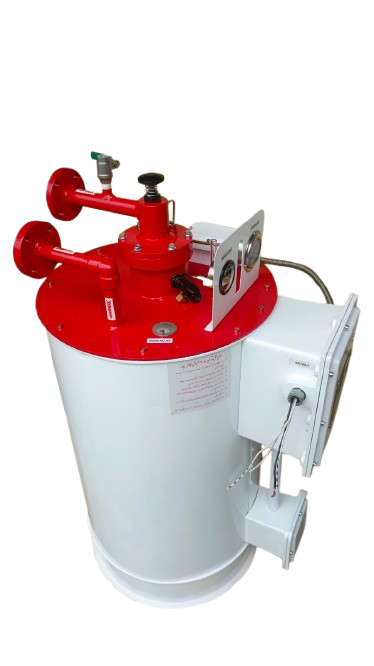
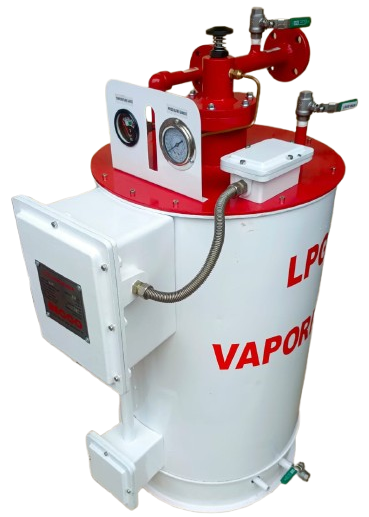
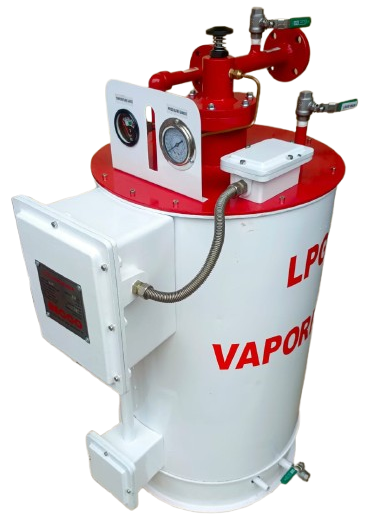
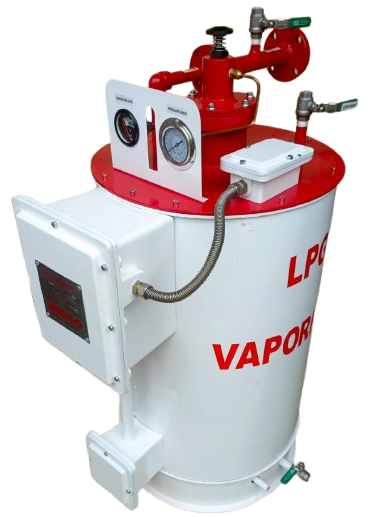
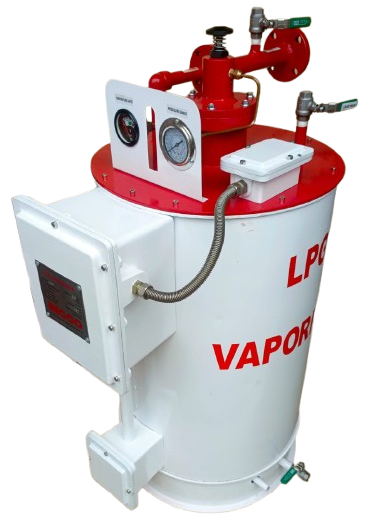
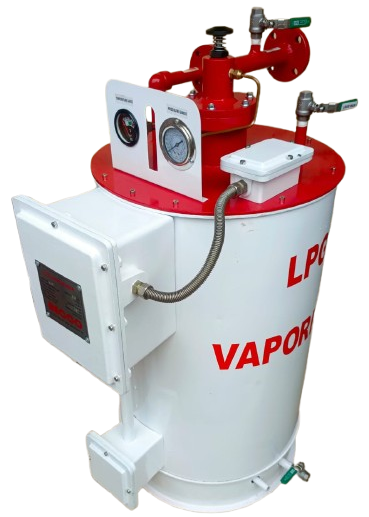
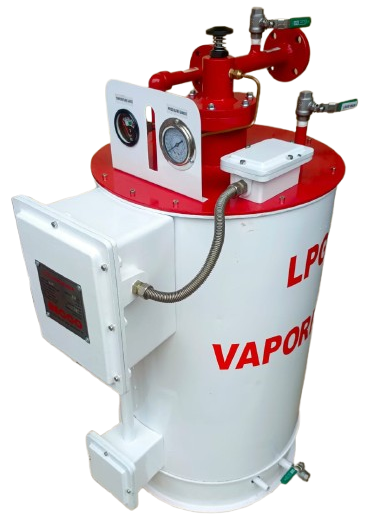
Top LPG Vaporizers for Industrial Use in 2026: Features & Comparisons
The Industrial LPG Landscape in 2026: Why Vaporizer Selection Now Demands Precision
Industrial LPG demand in 2026 is no longer driven by fuel switching alone. It is being shaped by reliability pressures, rising electricity tariffs, supply volatility, and stricter compliance expectations across South Asia and the UK.
For many facilities, LPG has shifted from backup fuel to primary energy source. That transition changes everything about how vapourisation systems must be selected and engineered.
The conversation around Top industrial LPG vaporizers 2026 is no longer about brand preference. It is about performance certainty under load.
Manufacturing and Continuous Load Environments
Manufacturing plants, particularly in textiles, food processing, ceramics and steel fabrication, operate on tight thermal margins. A vaporizer failure does not merely reduce efficiency. It halts production.
Modern LPG vaporizers for manufacturing plants must now handle fluctuating demand curves, especially in batch processing lines. Cold start requirements, sudden peak draw and shift-based load variation all influence vaporizer capacity planning.
The engineering emphasis has moved from nominal output rating to stable gas phase delivery under stress.
Facilities reviewing LPG vaporizer applications are increasingly evaluating redundancy design and parallel vaporizer configurations to prevent downtime.
Power Generation and Hybrid Energy Systems
In distributed generation, particularly LPG generator conversion projects, vaporizers serve as the stabilising bridge between liquid storage and combustion equipment.
LPG vaporizers for power generation must respond quickly to dynamic load shifts. Generator ramps during industrial peak hours demand consistent vapour pressure without oscillation.
Pressure instability at this stage translates directly into performance inefficiency at the engine level.
Facilities transitioning from diesel often evaluate long-term fuel economics alongside technical performance. Insights around switching to LPG from diesel show that vapourisation stability directly impacts realised cost savings.
Chemical and Heavy-Duty Operations
The chemical industry introduces another dimension: process sensitivity.
In environments where burners feed reactors, furnaces or thermal oil systems, vapour quality consistency matters as much as volume. LPG vaporizers for chemical industry applications must deliver stable pressure and temperature across prolonged operational cycles.
Similarly, in heavy-duty operations such as foundries and high-capacity industrial ovens, vaporizers must handle sustained demand without overheating or triggering safety cut-offs.
Here, LPG vaporizer capacity ratings are not theoretical. They determine whether operations continue or stall.
Energy Efficiency Is Now a Strategic Variable
Energy cost structures across Pakistan and regional markets continue to evolve. Industrial consumers are measuring not only fuel cost per unit but total system efficiency.
Modern vaporizer design increasingly focuses on thermal transfer optimisation and reduced standby consumption. The broader energy context outlined in LPG energy trends in Pakistan shows how efficiency gains directly affect operating margins.
When evaluating LPG vaporizer energy efficiency, engineers are assessing insulation design, heating element control logic and response time under partial loads.
The margin between adequate and optimised systems is narrowing.
Why Precision Matters in 2026
Global LPG demand projections from organisations such as the International Energy Agency indicate continued industrial reliance on gaseous fuels in transitional energy economies.
At the same time, compliance expectations and system accountability have intensified. Engineers can no longer oversize equipment blindly or rely on conservative assumptions. Oversizing increases energy waste. Undersizing risks freeze-up and pressure drop.
In 2026, vaporizer selection is not a procurement decision. It is a systems engineering exercise.
The top-performing industrial LPG vaporizers are those matched precisely to load profile, environmental conditions and application risk level.
That precision begins with understanding vaporizer types, system architecture and the technical trade-offs between them.
Understanding Industrial LPG Vaporizer Types and System Architectures
Selecting from the various industrial LPG vaporizer types is not a matter of preference. It is a matter of matching thermodynamic design to operational reality.
Each vaporizer architecture solves a specific problem. The mistake many facilities make is assuming one configuration suits all environments. In 2026, that assumption leads to inefficiency, freeze-ups or unstable pressure delivery.
A technical review of LPG vaporizer types comparison shows that performance differences are rooted in heating method, control logic and environmental adaptability.
Electric LPG Vaporizers
Electric systems remain one of the most widely deployed solutions in industrial settings.
In an electric LPG vaporizer comparison, two primary categories emerge: water bath electric units and dry electric models.
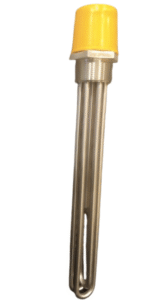
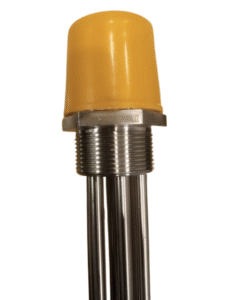
Water bath electric vaporizers use immersion heaters to warm a water medium that transfers heat to the LPG coil. These systems provide stable and uniform vapourisation. They are suitable for medium to high-capacity industrial use where steady demand is expected.
Dry electric LPG vaporizer advantages include faster heat response and reduced system complexity. There is no water reservoir to monitor, making them attractive in compact installations. However, dry systems may struggle in extremely high-flow industrial scenarios unless properly sized.
Electric systems are often preferred in urban manufacturing plants where electrical reliability is strong and emissions control is prioritised.
Direct Fired LPG Vaporizers
Where electrical infrastructure is limited or extremely high capacity is required, direct-fired systems remain relevant.
The direct fired LPG vaporizer benefits lie in their high output capability. These units use a burner to heat a water bath or heat exchanger, delivering rapid vapourisation even under heavy industrial load.
They are commonly deployed in:
-
Large manufacturing plants
-
Foundries
-
Power generation facilities
-
High-capacity furnace systems
However, they introduce additional combustion management requirements. Flame monitoring, safety interlocks and exhaust handling must be integrated carefully.
From an engineering perspective, direct-fired units demand disciplined safety integration, particularly in facilities where ambient ventilation varies.
Steam Bath and Indirect-Fired Systems
In process-heavy industries, particularly the chemical sector, steam bath LPG vaporizer features become highly valuable.
These systems use existing plant steam to heat LPG coils. This integration improves overall energy efficiency when steam is already available as part of the production process.
Similarly, indirect-fired LPG vaporizer systems separate the combustion source from the LPG heat exchanger, improving safety margins in hazardous environments.
Steam and indirect-fired systems are commonly used where:
-
Continuous operation is critical
-
High redundancy is required
-
Process stability must remain uncompromised
They are not universal solutions, but in the right industrial ecosystem, they deliver consistent performance.
Ambient Air Vaporizers
The ambient air LPG vaporizer use case is straightforward. These units rely on natural air convection and finned heat exchangers to vaporise LPG.
They offer simplicity and zero external energy consumption.
However, they are heavily dependent on climate. In colder regions or winter-heavy industrial zones, ambient systems can freeze or underperform. Facilities reviewing winter performance scenarios should examine insights on LPG performance in winter conditions.
Ambient vaporizers are best suited for:
-
Low-demand systems
-
Backup applications
-
Mild climate operations
They are rarely appropriate for heavy-duty industrial use without parallel system support.
Architecture Matters as Much as Type
Understanding the heating mechanism is only half the equation. System architecture determines operational stability.
Parallel vaporizer configurations, dual-line setups and redundancy planning are now standard in serious industrial design. As detailed in how LPG vaporizers work, the transition from liquid to gas phase must remain uninterrupted to avoid regulator freezing or pressure drop.
Engineers must consider:
-
Tank pressure behaviour
-
Regulator sequencing
-
Pressure control stages
-
Environmental conditions
-
Load fluctuation frequency
Vaporizer type selection cannot be isolated from overall gas system design.
Capacity Ratings, Energy Efficiency and Performance Under Load
In industrial LPG systems, capacity rating is often misunderstood. A vaporizer labelled for a specific kg per hour output does not automatically guarantee stable performance under real-world operating conditions.
Understanding LPG vaporizer capacity ratings requires more than reading a specification sheet. It demands analysis of load profile, ambient conditions and system design integration.
Rated Capacity vs Actual Operating Demand
Manufacturers typically provide maximum rated output under defined test conditions. These are controlled environments with stable temperatures and predictable flow rates.
Industrial reality is rarely that controlled.
A vaporizer feeding boilers and furnaces in a production facility may face:
-
Morning start-up surge
-
Mid-shift peak demand
-
Intermittent high-draw cycles
-
Night-time low-load operation
When engineers size systems purely on peak theoretical consumption, they often oversize. Oversizing increases electrical consumption, raises standby losses and reduces overall LPG vaporizer energy efficiency.
Conversely, undersizing leads to pressure drop, frost build-up and eventual regulator instability.
For structured capacity planning, the LPG vaporizer sizing guide provides a framework grounded in real consumption data rather than nameplate assumptions.
High-Capacity Solutions for Heavy-Duty Operations
Heavy industrial sectors require specialised design thinking.
High-capacity LPG vaporizer solutions are common in:
-
Foundries
-
Large ceramic kilns
-
Food processing plants
-
Textile dyeing units
-
Industrial furnaces
In these environments, vaporizers must sustain continuous demand for extended hours. It is not unusual for systems to operate near maximum load for 10 to 16 hours per day.
When evaluating a LPG vaporizer for heavy-duty operations, engineers must assess thermal transfer efficiency, heating element redundancy and automatic shutdown logic.
Capacity is not only about output. It is about stability at sustained load.
Performance in Cold Climate Conditions
Temperature has a direct influence on vaporizer behaviour.
In colder climates or winter months, tank pressure drops significantly. This reduces natural vapour pressure available before mechanical vaporisation even begins.
Facilities that ignore cold climate LPG vaporizer performance risk operational bottlenecks during peak winter production periods.
Insights from LPG in winter performance analysis show that winter-related pressure instability is one of the most common causes of freeze-related system failure in South Asian industrial plants.
Design considerations should include:
-
Insulated enclosures
-
Preheating strategies
-
Proper tank sizing
-
Redundant vaporizer staging
Ignoring climate variables is one of the costliest engineering mistakes.
Efficiency Under Partial Load
Industrial energy consumption is rarely linear.
A vaporizer may operate at 30 percent load for extended periods. Poorly designed systems consume nearly the same electrical energy at low output as they do near full capacity.
In 2026, LPG vaporizer energy efficiency evaluation must include part-load efficiency curves, not just peak efficiency ratings.
Industrial operators increasingly use tools such as the LPG consumption calculator to align fuel demand projections with vaporizer staging design.
Energy optimisation is no longer optional. It is directly tied to operational margins.
Boilers, Furnaces and Dynamic Demand Systems
Applications such as boilers and thermal oil heaters create cyclical load behaviour. Burners modulate output depending on process temperature.
Selecting a LPG vaporizer for boilers and furnaces requires evaluating how quickly the system can respond to these dynamic shifts without pressure oscillation.
Response time matters.
A slow-reacting vaporizer may cause flame instability or inefficient combustion. A properly sized and responsive unit maintains steady gas phase supply regardless of burner cycling frequency.
The Engineering Balance
Global industrial energy forecasts from organisations like the International Energy Agency continue to highlight the importance of fuel efficiency and system optimisation in transitional economies.
In practical terms, vaporizer capacity must align with:
-
Maximum demand
-
Average demand
-
Environmental temperature
-
Process criticality
-
Redundancy strategy
Capacity ratings are not marketing numbers. They are engineering constraints.
Safety Engineering and Pressure Control in Modern LPG Vaporizer Systems
In industrial LPG systems, safety is not an accessory. It is embedded into every layer of vaporizer design.
The discussion around the best LPG vaporizer safety features in 2026 centres on redundancy, automation and controlled failure response. Industrial operators are no longer satisfied with basic overheat protection. They expect integrated safety engineering.
Pressure Control as the First Line of Defence
LPG vapour must leave the vaporizer at controlled pressure and temperature. Any deviation introduces risk to downstream regulators, burners and process equipment.
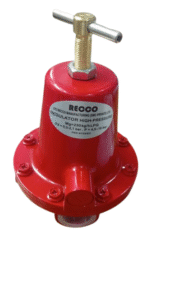
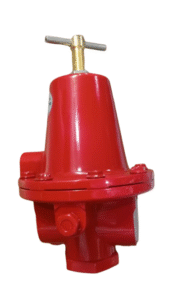
Effective LPG vaporizer pressure control involves multi-stage regulation. The vaporizer output pressure must remain within design tolerance even during sudden demand spikes.
Modern systems typically integrate:
-
High and low pressure cut-offs
-
Automatic shut-off valves
-
Temperature limit switches
-
Pressure relief valves
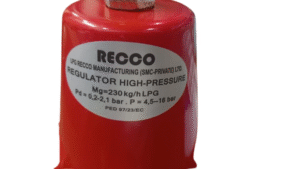
Pressure instability is often misdiagnosed as regulator failure. In reality, it may originate at the vaporizer stage. The broader function of regulators is explained in the industrial LPG regulator guide, but vaporizer stability remains the foundation.
Integrated Leak Detection and Monitoring
Gas leakage in industrial environments is rarely dramatic at first. It begins as a minor seal weakness or fitting failure.
Modern safety frameworks integrate LPG leak detection technologies directly into system architecture. Sensors placed near vaporizers and regulator stations trigger alarms or automatic shutdowns before concentrations reach hazardous thresholds.
Facilities seeking advanced detection systems can evaluate solutions outlined in LPG leak detection technologies.
The objective is early intervention, not reaction.
Safety Valves and Redundant Shutdown Systems
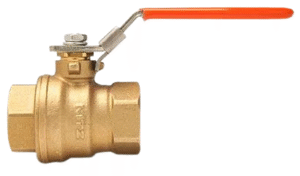
Pressure relief and safety valves are mechanical safeguards designed to activate when electronic controls fail.
The deployment of certified LPG safety valves remains essential in South Asian industrial installations where voltage fluctuation or power interruptions may affect control panels.
Standards-compliant valve solutions are discussed in LPG safety valves Pakistan.
Redundancy is a recurring theme in 2026 vaporizer design. Dual temperature probes, independent cut-off circuits and mechanical fail-safe valves are now expected in high-capacity industrial systems.
Thermostat Protection and Overheat Prevention
In electric and water bath systems, temperature regulation determines both efficiency and safety.
Improperly calibrated thermostats may cause:
-
Overheating of heating elements
-
Degradation of internal coils
-
Excessive energy consumption
-
Premature system failure
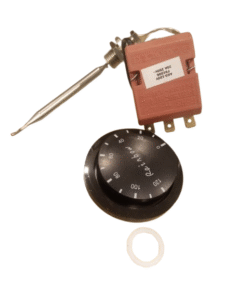
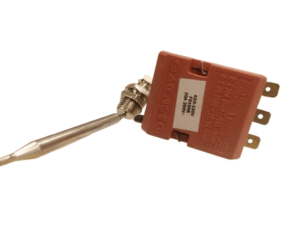
Advanced LPG thermostat safety mechanisms incorporate digital sensors and calibrated shutdown thresholds. These ensure heating stops before system components exceed safe operating limits.
Thermal runaway is rare in properly engineered systems, but when it occurs, it is usually linked to neglected safety calibration.
Emergency Response Integration
Safety engineering extends beyond hardware.
Every industrial LPG installation should align with a documented LPG emergency response plan. In high-capacity vaporizer installations, this includes:
-
Defined isolation points
-
Manual emergency shut-off locations
-
Staff training protocols
-
Evacuation mapping
Operational best practices are outlined in the LPG emergency response plan guide.
Engineering design must anticipate worst-case scenarios. Emergency planning ensures the system can be isolated safely when required.
Compliance and Global Standards
International safety expectations continue to evolve. Bodies such as the International Organization for Standardization and the Occupational Safety and Health Administration publish guidelines influencing industrial safety frameworks worldwide.
In practice, this means vaporizer installations must demonstrate:
-
Proper grounding
-
Certified pressure components
-
Flame failure detection where applicable
-
Clearly labelled hazard zones
Industrial buyers in 2026 are increasingly aware that compliance is not optional. Insurance assessments and regulatory inspections now scrutinise vaporizer systems more rigorously than before.
Application-Based Comparison: Manufacturing, Power Generation and Heavy Industry
A meaningful industrial LPG vaporizer comparison chart cannot be built around brand names alone. It must be structured around application context.
Manufacturing plants, power generation units and heavy industrial operations do not draw gas in the same way. Their load patterns, risk profiles and uptime expectations differ significantly.
Selecting the right vaporizer begins with understanding those operational differences.
Manufacturing Plants: Controlled but Variable Demand
In manufacturing environments such as food processing, textiles and light engineering, LPG is typically used for boilers, ovens, dryers or thermal oil systems.
Here, LPG vaporizers for manufacturing plants must handle predictable base load with periodic demand spikes. Batch processing and shift-based production often create sharp draw increases during start-up hours.
Electric water bath vaporizers are commonly preferred in these facilities because they offer:
-
Stable pressure output
-
Predictable temperature control
-
Lower combustion complexity
Facilities reviewing detailed use cases can explore structured examples in LPG vaporizer applications.
The engineering objective in manufacturing is balance. The vaporizer must support daily peaks without being excessively oversized for average load.
Power Generation: Dynamic and Load-Sensitive Systems
Power generation environments introduce rapid fluctuation.
When LPG is used for generator conversion or distributed energy systems, the vaporizer must respond instantly to engine load variation. A generator ramping up during peak demand can create sharp fuel draw transitions within seconds.
In these cases, LPG vaporizers for power generation require:
-
Fast thermal response
-
Tight pressure control
-
Redundant safety shutdown logic
Electric dry vaporizers and high-capacity water bath systems are common in such setups. Oversizing may improve stability, but only if energy efficiency penalties are understood.
The global shift towards distributed LPG-based power systems, highlighted by organisations like the World LPG Association, reinforces the need for robust vaporizer infrastructure in hybrid energy facilities.
Chemical Industry: Continuous and Process-Critical
Chemical processing environments demand exceptional consistency.
A LPG vaporizer for boilers and furnaces feeding reactors must maintain steady vapour supply over prolonged operating hours. Even minor pressure oscillation can disrupt process integrity.
For this reason, steam bath and indirect-fired systems are frequently deployed in chemical facilities where existing steam networks can be integrated.
LPG vaporizers for chemical industry applications often include:
-
Dual-line vaporizer configurations
-
Backup heating elements
-
Advanced monitoring sensors
Redundancy is not optional. It is a core design principle.
Heavy-Duty Industrial Operations: Sustained High Load
Foundries, steel plants and large kiln operations represent the upper end of industrial demand.
In these environments, vaporizer systems operate close to rated capacity for extended periods. The design challenge is thermal durability and sustained vapour output.
High-capacity industrial LPG vaporizers in such sectors often rely on direct-fired or large-scale water bath systems. These configurations deliver brute output but require disciplined safety integration.
Industrial buyers reviewing regional supply options may consider available systems detailed in LPG vaporizers in Pakistan, particularly for installations aligned with local regulatory frameworks.
Comparative Engineering Considerations
When structuring an internal comparison, engineers typically evaluate:
Load Profile
Steady, cyclical or highly dynamic.
Environmental Conditions
Ambient temperature influence and seasonal variation.
Redundancy Requirement
Single-line vs parallel vaporizer systems.
Energy Source Availability
Reliable electricity, steam integration or combustion fuel.
Maintenance Accessibility
Ease of service and downtime tolerance.
There is no universal best system across all sectors.
A bakery facility using LPG ovens, such as those discussed in LPG for bakeries Pakistan, will not require the same vaporizer configuration as a chemical processing unit or a power generation plant.
Automation, Digital Controls and Smart Monitoring in 2026 Vaporizers
Industrial LPG systems in 2026 are no longer purely mechanical installations. They are increasingly integrated into plant-wide automation networks.
The discussion around LPG vaporizer automation & controls now includes PLC connectivity, digital diagnostics and remote monitoring capabilities. For engineers managing multi-line facilities, this shift changes how vaporizers are specified and operated.
From Manual Thermostats to Digital Control Panels
Traditional vaporizers relied on analogue thermostats and basic on-off heating cycles. While functional, these systems offered limited visibility into performance metrics.
Modern units incorporate a LPG vaporizer digital control panel that allows operators to monitor:
-
Inlet and outlet temperature
-
Output pressure stability
-
Heating element status
-
Alarm history logs
-
Fault detection alerts
Digital panels reduce diagnostic guesswork. When performance deviates from expected parameters, operators can respond before production is affected.
Facilities exploring integrated gas monitoring frameworks can examine structured examples in industrial LPG automation.
PLC Integration and Plant-Wide Connectivity
In medium to large manufacturing environments, vaporizers are often linked to central PLC systems. This integration enables coordinated response across the energy network.
For example:
-
A drop in tank pressure can trigger staged vaporizer activation
-
Excessive temperature readings can initiate controlled shutdown
-
Demand forecasting software can optimise heating cycles
Automation reduces human error. It also enhances efficiency by aligning vaporizer output with real-time consumption data.
For plants adopting digital metering, integration with systems such as smart gas meter solutions provides detailed consumption tracking.
Predictive Maintenance Through Data
One of the most significant developments in recent years is predictive maintenance.
Rather than waiting for performance decline, digital control systems monitor trends in:
-
Heating cycle duration
-
Temperature fluctuations
-
Electrical consumption patterns
-
Pressure response time
When anomalies appear, maintenance teams can intervene before failure occurs.
This approach reduces unplanned downtime and extends component lifespan. It is particularly valuable in high-capacity installations where shutdown costs are significant.
Energy Optimisation Through Intelligent Control
Automation also contributes directly to LPG vaporizer energy efficiency.
Advanced systems adjust heating intensity based on real-time load. Instead of running at full capacity continuously, the vaporizer modulates output in response to demand.
This is especially useful in facilities with cyclical consumption patterns such as boilers and batch furnaces.
Temperature control precision, supported by calibrated LPG thermostat safety mechanisms, ensures that heat transfer remains within optimal range without excess energy waste.
Remote Monitoring and Multi-Site Management
Industrial operators managing multiple plants increasingly demand remote access capability.
Cloud-connected control panels allow technical managers to:
-
Monitor system health from central control rooms
-
Receive instant alerts on mobile devices
-
Analyse performance trends across locations
This is particularly relevant for organisations operating distributed LPG-based systems across different regions.
While automation enhances performance, it must always be paired with mechanical fail-safes. Digital systems support decision-making, but physical safety valves and pressure relief mechanisms remain essential.
The Role of Industrial Manufacturers
Leading industrial LPG vaporizer manufacturers now design systems with automation as a standard feature rather than optional add-on.
The integration of digital logic, sensor arrays and diagnostic displays reflects broader industrial digitisation trends seen across global manufacturing sectors.
Engineering bodies such as the International Organization for Standardization continue to emphasise structured monitoring and system accountability in industrial energy systems.
Automation is no longer about convenience. It is about operational transparency and controlled efficiency.
Intelligent Systems Still Require Proper Installation
Despite advanced controls, automation cannot compensate for poor installation or incorrect sizing.
A digitally monitored but improperly commissioned vaporizer will still suffer from pressure instability or inefficiency.
Technology enhances performance only when the underlying mechanical design is sound.
Installation, Maintenance and Long-Term Operational Reliability
Even the most advanced vaporizer will underperform if installation and maintenance are treated as secondary considerations.
In industrial LPG systems, long-term reliability is built during commissioning, not after the first breakdown. Proper adherence to industrial LPG vaporizer maintenance tips significantly reduces operational risk and energy loss over time.
Installation Is an Engineering Process, Not a Placement Task
An effective industrial LPG vaporizer installation guide begins with site evaluation.
Engineers must assess:
-
Ventilation conditions
-
Proximity to storage tanks
-
Drainage and weather exposure
-
Electrical supply stability
-
Safe clearance from ignition sources
Incorrect placement can cause ambient heat loss, electrical inefficiency or even frost-related malfunction during winter.
Pressure regulation sequencing is also critical. Vaporizers must be correctly integrated with primary and secondary regulators to prevent pressure spikes downstream. The broader regulator framework is explained in the industrial LPG regulator guide, but vaporizer positioning directly affects regulator stability.
Grounding and earthing must comply with safety standards. In electrically heated systems, improper grounding remains a common oversight in smaller installations.
Commissioning and Initial Calibration
Once installed, commissioning requires precise calibration.
Heating elements must be tested for uniform performance. Temperature sensors should be verified for accurate reading. Pressure output must be stabilised before connecting to critical combustion equipment.
Many early system failures are not caused by manufacturing defects. They result from incomplete commissioning.
Engineers who follow structured service protocols reduce the likelihood of early operational issues. A practical framework for routine servicing is available in the LPG system service schedule.
Preventive Maintenance Over Reactive Repairs
Industrial vaporizers operate under thermal stress. Without routine inspection, minor issues escalate.
Key preventive measures include:
-
Inspecting heating elements for scaling or corrosion
-
Verifying thermostat calibration
-
Checking pressure gauges for drift
-
Cleaning internal coils in water bath systems
-
Inspecting electrical connections for heat damage
Structured maintenance guidance can be reviewed in LPG vaporizer maintenance practices.
Preventive intervention is significantly less expensive than emergency repair in high-capacity industrial settings.
Diagnosing Common Operational Issues
Even well-maintained systems may experience performance irregularities.
Common symptoms include:
-
Frost formation on pipelines
-
Inconsistent outlet pressure
-
Frequent safety shutdown activation
-
Increased energy consumption
Accurate LPG vaporizer issues diagnosis requires systematic troubleshooting rather than guesswork.
Pressure drop during peak demand often indicates undersizing. Frost build-up may signal inadequate heating capacity or regulator sequencing errors. Repeated thermostat trips can indicate sensor malfunction or insulation degradation.
Diagnostic insights are detailed in LPG vaporizer issues diagnosis, which outlines step-by-step evaluation procedures.
Winter Operation and Freeze Prevention
In colder months, maintenance intensity must increase.
Tank pressure decreases naturally in winter. If the vaporizer is marginally sized, freeze-up becomes more likely. Proper insulation, controlled heating cycles and staged vaporizer activation reduce seasonal instability.
Solutions addressing freeze-related challenges are discussed in LPG regulator freezing solutions.
Seasonal inspection is not optional in regions experiencing sharp temperature variation.
Long-Term Reliability and Component Lifespan
Over a five to ten year period, vaporizer durability depends on:
-
Build quality
-
Electrical component reliability
-
Proper insulation
-
Routine inspection discipline
-
Environmental protection
High-capacity installations operating continuously in heavy-duty environments must adopt stricter inspection cycles than light industrial users.
Global safety bodies such as the Occupational Safety and Health Administration emphasise documented inspection practices in industrial fuel systems. While local compliance requirements vary, structured maintenance documentation protects both operational continuity and regulatory standing.
Strategic Selection Framework: Choosing the Best Industrial LPG Vaporizer in 2026
Selecting the best industrial LPG vaporizer 2026 is not about choosing the highest capacity unit or the most technologically advanced model. It is about structured alignment between operational demand, environmental conditions and long-term energy strategy.
By this stage, the variables are clear. Capacity, safety engineering, automation, installation discipline and industry application all influence performance. The final step is bringing them into a decision-making framework.
Step 1: Define the Load Profile Clearly
Before reviewing suppliers or manufacturers, engineers must define:
-
Maximum hourly LPG consumption
-
Average operational demand
-
Peak surge duration
-
Seasonal variation
A structured LPG vaporizer selection guide always begins with accurate consumption data. Without it, oversizing or undersizing becomes inevitable.
Facilities can use technical planning insights from the LPG vaporizer sizing guide to ground calculations in real-world operating patterns rather than assumptions.
Load definition is the foundation of intelligent selection.
Step 2: Match Technology to Energy Infrastructure
The next decision concerns heating method.
Electric systems offer precision and cleaner integration in manufacturing environments with stable power supply. Direct-fired systems deliver high output where electrical infrastructure may be constrained. Steam bath systems integrate efficiently in process-heavy plants.
The question is not which technology is superior. It is which configuration integrates most effectively into the facility’s existing energy ecosystem.
Industrial buyers evaluating available configurations can review regional system options in LPG vaporizers in Pakistan.
Step 3: Assess Risk and Redundancy Requirements
High-capacity manufacturing and chemical facilities cannot tolerate single-point failure.
When determining how to choose industrial LPG vaporizer systems, engineers must evaluate:
-
Whether dual vaporizers are required
-
Whether parallel lines should be staged
-
Whether automation integration is necessary
-
Whether backup power is required for electric systems
Risk tolerance varies by sector. A bakery line can tolerate brief downtime. A chemical reactor may not.
The most reliable systems are those designed with controlled redundancy, not reactive repair strategies.
Step 4: Evaluate Safety and Compliance Alignment
Safety features should not be treated as optional upgrades.
Pressure control systems, temperature limit switches, certified safety valves and integrated leak detection must align with both internal safety policies and broader regulatory expectations.
Global organisations such as the World LPG Association continue to emphasise structured safety compliance across industrial LPG infrastructure.
Industrial decision-makers must ensure selected systems meet recognised engineering standards, especially in regions where regulatory enforcement is tightening.
Step 5: Analyse Long-Term Operational Economics
The best vaporizer is not the cheapest at purchase. It is the most stable across its service life.
Long-term cost evaluation should include:
-
Energy consumption efficiency
-
Maintenance frequency
-
Replacement part availability
-
Downtime risk exposure
-
Automation integration capability
Industrial LPG vaporizer manufacturers increasingly provide lifecycle performance metrics. Buyers should assess these critically rather than relying on headline specifications.
Step 6: Supplier Capability and Technical Support
System selection extends beyond hardware.
Reliable LPG vaporizer suppliers industrial operations provide:
-
Technical consultation
-
Installation guidance
-
Spare parts availability
-
Structured maintenance support
A technically competent supplier adds value beyond equipment supply.
For structured procurement discussions or technical clarification, industrial operators can review available product categories via the Indus 3 shop page or reach out directly through the contact page.
Engineering Decision, Not Marketing Decision
The conversation around the Top industrial LPG vaporizers 2026 ultimately comes down to disciplined engineering evaluation.
There is no universal best system. There is only the system that best aligns with:
-
Application
-
Load profile
-
Environmental condition
-
Safety expectation
-
Operational strategy
In 2026, industrial LPG vaporizer selection demands structured thinking rather than reactive purchasing.
Facilities that treat vaporizer infrastructure as strategic energy assets, rather than peripheral components, will achieve stronger reliability, better efficiency and reduced operational risk over the long term.