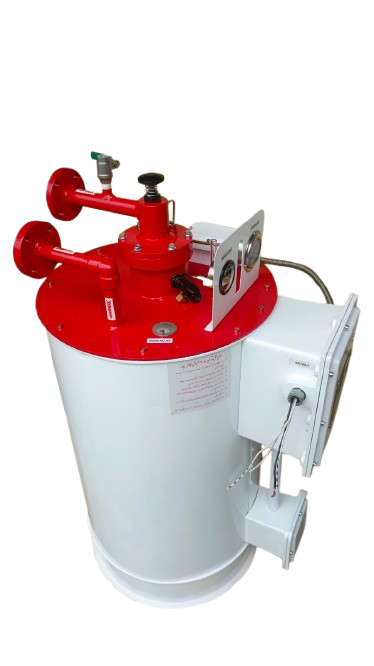
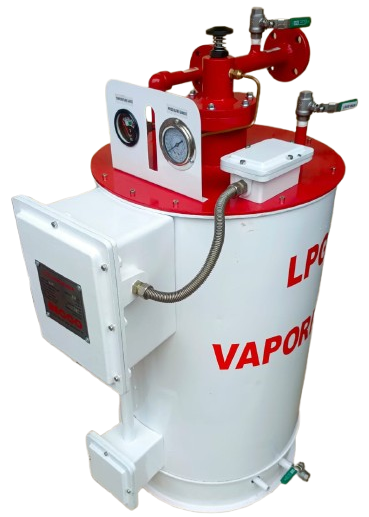
The Importance of LPG Equipment Maintenance
LPG equipment plays a crucial role in various industrial processes, from heating systems to fuel-powered machinery. Ensuring that these systems are well-maintained is essential not only for safety but also for efficiency and cost-effectiveness. Regular maintenance extends the lifespan of the equipment, reduces the risk of breakdowns, and ensures compliance with safety standards. In this section, we will explore why proper LPG equipment maintenance is vital and the long-term benefits it brings to businesses and households.
Safety First: Preventing Hazardous Situations
One of the most significant reasons to maintain LPG equipment is safety. Gas leaks, explosions, and fires are some of the most dangerous hazards associated with poorly maintained LPG systems. Regular inspections and servicing help identify potential risks before they escalate. This includes checking valves, regulators, and hoses for signs of wear or damage, and ensuring that safety devices are functioning correctly. Ensuring your equipment is well-maintained not only protects people but also minimizes the risk of significant property damage.
Optimising Efficiency and Performance
LPG equipment that isn’t regularly serviced can lose efficiency over time, leading to increased fuel consumption and reduced performance. A well-maintained system operates at its optimal level, consuming less fuel and providing better performance, which directly impacts operational costs. For instance, regularly cleaning LPG burners and checking pressure regulators can ensure that the system operates efficiently, preventing energy waste and lowering operational expenses.
Cost Savings Over Time
While maintenance may seem like an additional expense, it actually saves money in the long run. By identifying and addressing small issues early, you can avoid costly repairs or replacements. Regular servicing also helps extend the lifespan of critical components such as LPG vaporizers, regulators, and cylinders. For businesses that rely heavily on LPG equipment, such as restaurants, factories, or warehouses, the cost of replacing damaged equipment due to neglect can be far higher than the cost of regular maintenance.
Compliance with Safety Regulations
LPG equipment is subject to stringent safety regulations and standards, particularly in industrial environments. These regulations ensure that equipment is operated safely and efficiently, which is crucial to avoid legal repercussions. By maintaining equipment regularly and ensuring it meets the required safety standards, businesses can stay compliant with local regulations, thus avoiding fines and legal troubles. It also boosts the credibility of the company in the eyes of clients, suppliers, and regulatory authorities.
Peace of Mind for Operators and Engineers
Routine maintenance provides peace of mind for engineers, operators, and plant managers who are responsible for overseeing the safe operation of LPG equipment. With a well-maintained system, the likelihood of unexpected breakdowns is greatly reduced, which allows the team to focus on other critical tasks. It also builds a culture of safety and responsibility, ensuring that the equipment remains in top condition.
By adhering to a regular LPG equipment maintenance schedule, businesses can not only extend the life of their equipment but also avoid costly downtime, ensure safety, and improve overall system efficiency. As we continue exploring LPG maintenance, we’ll look at specific maintenance schedules and the key steps involved in keeping your equipment running smoothly.
For more in-depth information on maintaining your LPG system, be sure to check out our LPG vaporizer maintenance guide and explore our LPG safety equipment page.
Common LPG Equipment Problems and How to Prevent Them
LPG equipment is designed to last for years, but like all mechanical systems, it is susceptible to wear and tear. While regular maintenance can help keep these systems running smoothly, it’s important to understand the common issues that can arise with LPG equipment and the steps that can be taken to prevent them. By identifying potential problems early, you can save time, money, and avoid safety hazards.
1. LPG Leaks: The Silent Threat
One of the most common and dangerous issues with LPG equipment is gas leakage. Even a small leak can lead to significant safety risks, including the potential for explosions or fire. Leaks can occur in any part of the LPG system, from the cylinder and valves to the hoses and connections. Signs of a leak include a distinctive smell of gas, unusual hissing noises, or visual damage to components.
Prevention Tips:
-
Regularly inspect LPG hoses for cracks, abrasions, or signs of wear. Replace hoses that show signs of damage.
-
Ensure all connections are properly tightened and sealed. Use a soapy water solution to check for bubbles, which can indicate a leak.
-
Replace old or worn-out seals and O-rings that can cause leaks around the valves or regulator.
For detailed guidance on detecting and preventing leaks, refer to our LPG leak detection technologies page.
2. Burner Inefficiency and Carbon Build-up
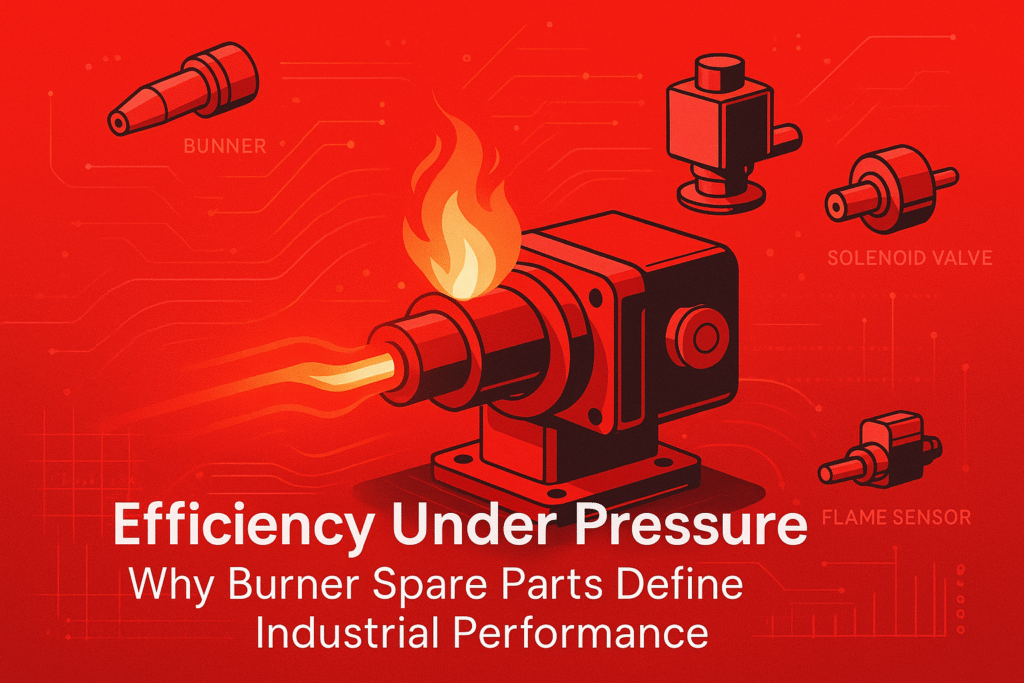
Burners in LPG equipment can suffer from inefficiencies over time, especially if they are not cleaned and maintained regularly. Carbon build-up, dirt, and soot can clog burner ports, leading to poor combustion. This reduces the burner’s efficiency, causing uneven flame distribution, excessive fuel consumption, and even the risk of carbon monoxide production in poorly ventilated areas.
Prevention Tips:
-
Regularly clean the LPG burners to remove any build-up of soot or carbon. Use a soft brush or compressed air to clean burner ports.
-
Schedule annual inspections to ensure the burners are functioning properly. If the flame is not consistent or the burner is difficult to light, it may require professional servicing.
-
Replace any worn-out burner components, such as the flame screen or nozzle, to maintain optimal performance.
For additional information on maintaining and cleaning LPG burners, check out our LPG vaporizer maintenance guide.
3. Regulator Failures
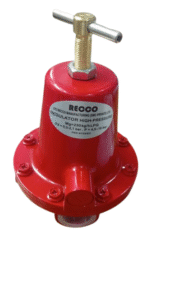
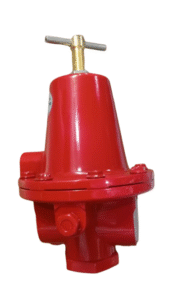
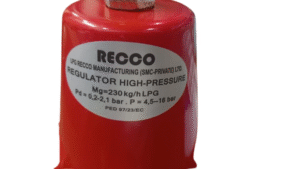
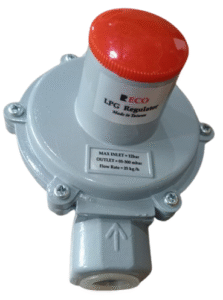
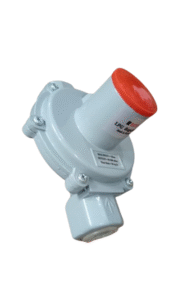
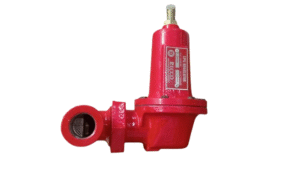
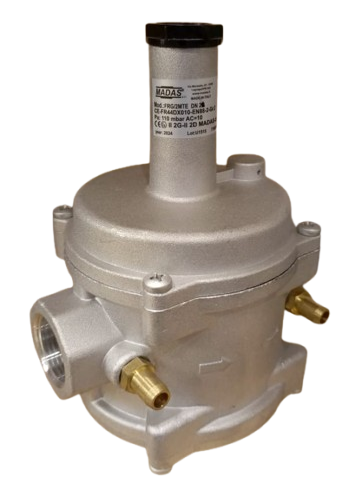
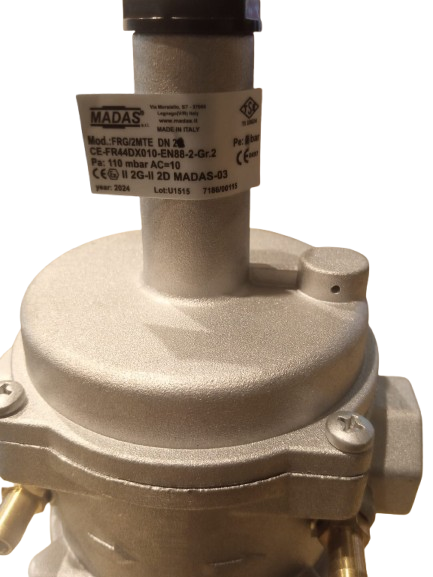
The regulator is a critical component that controls the pressure of the LPG being delivered to the system. A malfunctioning or faulty regulator can result in low pressure, inconsistent flame quality, or even total equipment failure. Regulators are subject to wear, corrosion, and damage due to environmental conditions, particularly in industrial settings.
Prevention Tips:
-
Inspect regulators regularly for signs of wear or corrosion. If the regulator is leaking or has damaged parts, replace it immediately.
-
Ensure that regulators are protected from excessive moisture or dirt, which can interfere with their operation.
-
Follow the manufacturer’s guidelines for the recommended replacement intervals for regulators.
To learn more about LPG regulators, visit our Industrial LPG Regulator Guide.
4. Hoses and Fittings Wear and Tear
LPG hoses and fittings are exposed to a wide range of stresses, including pressure fluctuations, weather conditions, and physical wear. Over time, hoses can crack, leak, or degrade, which can lead to system failures and safety risks.
Prevention Tips:
-
Regularly inspect hoses for signs of wear, cracks, or abrasions. Replace any hoses that show signs of damage or are more than 5 years old.
-
Check all fittings to ensure they are properly secured and not showing signs of rust or corrosion.
-
Make sure hoses are routed correctly to avoid unnecessary bending or pinching, which can accelerate wear.
Learn more about the proper maintenance and replacement of LPG hoses in our LPG Hose and Fitting Guide.
5. Pressure Regulator Freezing
Pressure regulators in LPG systems can freeze, particularly in colder climates or during periods of high demand. When this happens, the regulator may fail to function properly, leading to fluctuating gas pressure or a complete shutdown of the system.
Prevention Tips:
-
Ensure that regulators are kept clean and free of contaminants such as dirt or debris.
-
In colder environments, use anti-freeze treatments or install heaters to prevent freezing.
-
Regularly inspect regulators for signs of condensation or freezing, particularly during the winter months.
For more information on how to handle regulator freezing, visit our LPG Regulator Freezing Solutions page.
6. Valve and Cylinder Issues
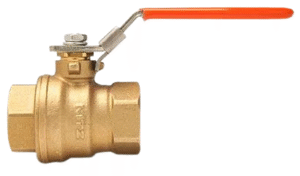
The valves and cylinders are central to the safe storage and delivery of LPG. Over time, valves can wear out, and cylinders may become damaged due to improper handling or environmental conditions.
Prevention Tips:
-
Always inspect valves for proper sealing and function. If you notice any signs of leakage or malfunction, replace the valve immediately.
-
Store cylinders in a cool, dry place away from direct sunlight and heat sources to prevent damage and ensure safe storage.
-
Regularly check the cylinder connections for rust or corrosion and clean them as necessary.
Learn more about cylinder safety and valve inspections in our LPG Cylinder Safety guide.
By understanding these common LPG equipment problems and following preventive maintenance practices, you can significantly reduce the likelihood of failures and improve the longevity and safety of your systems. Regular inspections, cleaning, and replacements are key to maintaining optimal performance and avoiding costly downtime or safety hazards.
For a comprehensive list of maintenance tasks, refer to our LPG Equipment Maintenance Checklist.
Key Maintenance Schedules for Optimal LPG Equipment Performance
A well-maintained LPG system not only performs more efficiently but also ensures safety and extends the equipment’s lifespan. However, to achieve this, a strategic and consistent maintenance schedule is crucial. In this section, we will outline the recommended maintenance intervals for various LPG equipment, focusing on the key components such as vaporizers, regulators, burners, and hoses. By adhering to these schedules, businesses can avoid unexpected failures, reduce operational downtime, and ensure the long-term performance of their LPG systems.
1. LPG Vaporizers: Annual Maintenance
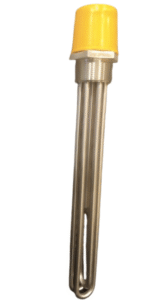
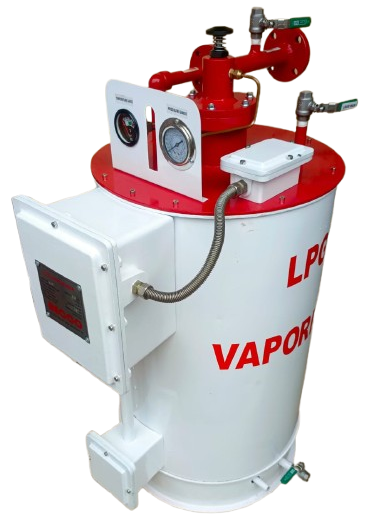
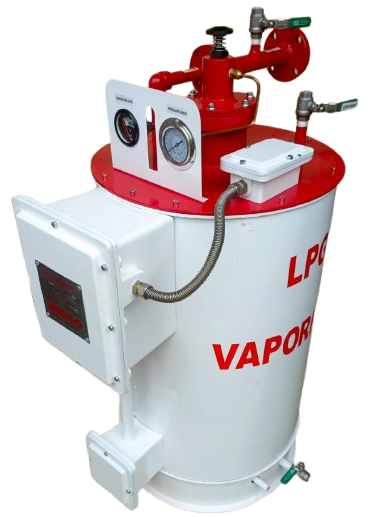
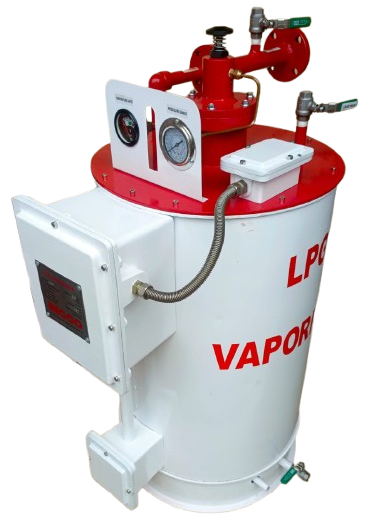
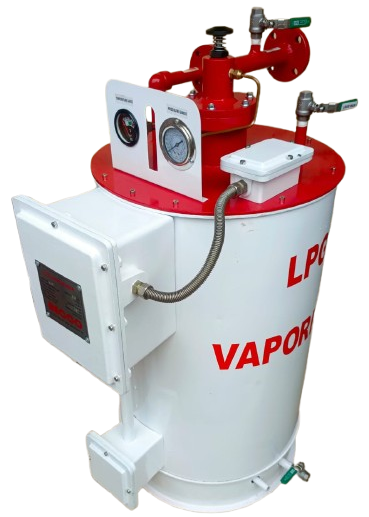
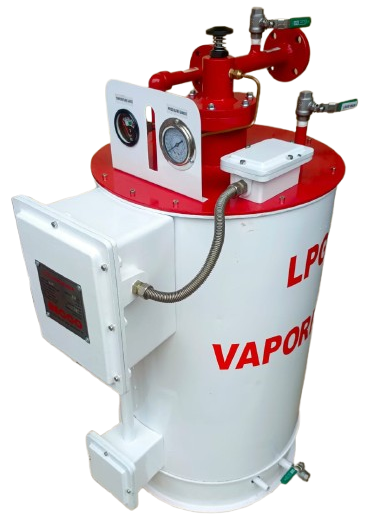
LPG vaporizers are essential for converting liquid LPG into gas, a process that requires precise control over temperature and pressure. If not maintained properly, these devices can become inefficient, leading to poor gas output, pressure issues, or even system failures.
Maintenance Schedule:
-
Monthly: Check for any visible wear, corrosion, or leaks around the vaporizer. Ensure that the pressure and temperature gauges are functioning properly.
-
Annually: Conduct a thorough inspection by a professional. This should include cleaning, recalibration of gauges, and a detailed check of all internal components.
-
Every 3–5 years: Consider replacing critical parts, such as the heating element or seals, to prevent any failures due to wear and tear.
For in-depth guidance on maintaining LPG vaporizers, refer to our LPG Vaporizer Maintenance guide.
2. LPG Regulators: Bi-Annual Inspection
LPG regulators are responsible for maintaining consistent pressure levels, ensuring a safe and efficient flow of gas. A malfunctioning regulator can cause pressure imbalances, leading to operational inefficiencies or dangerous situations.
Maintenance Schedule:
-
Every 6 months: Inspect the regulator for signs of wear, leaks, or corrosion. Ensure the pressure settings are within the recommended range for the system.
-
Annually: Clean the regulator, replace any seals or O-rings that have degraded, and test its functionality.
-
Every 5 years: Replace the regulator entirely to ensure optimal performance, especially if it shows signs of significant wear or failure.
You can read more on LPG regulators in our Industrial LPG Regulator Guide.
3. LPG Burners: Quarterly Cleaning and Inspection
LPG burners require regular cleaning to prevent the build-up of carbon and soot, which can impair their performance and efficiency.
Maintenance Schedule:
-
Monthly: Check the flame pattern to ensure it’s even and stable. A yellow or fluctuating flame indicates a problem that may require immediate attention.
-
Quarterly: Clean the burner and its components to remove carbon deposits. Ensure that the burner ports are free from any blockages.
-
Annually: Perform a comprehensive inspection of the burner system, replacing parts such as the flame sensor or nozzle if necessary.
For more information on burner maintenance, check out our LPG Vaporizer Maintenance page, where we also discuss burner care.
4. LPG Hoses: Semi-Annual Inspection and Replacement
LPG hoses carry gas from cylinders to regulators, vaporizers, and appliances. Over time, these hoses can degrade, crack, or become damaged, which can lead to dangerous gas leaks.
Maintenance Schedule:
-
Every 3 months: Visually inspect hoses for any visible damage such as cracks, abrasions, or bulges.
-
Every 6 months: Perform a more thorough check, including using a soapy water solution to test for leaks. Replace any hoses that show significant wear.
-
Annually: Replace hoses that are more than 5 years old or have been subjected to harsh environmental conditions.
For more details on LPG hoses and fittings, refer to our LPG Hose and Fitting Guide.
5. LPG Cylinders: Annual Inspection and Testing
LPG cylinders are the storage vessels for LPG gas, and they need to be handled and maintained with care to ensure safety. Improper handling or lack of maintenance can result in hazardous situations, including leaks or explosions.
Maintenance Schedule:
-
Every 6 months: Check the cylinder valve for leaks and ensure the valve is functioning correctly.
-
Annually: Conduct a professional inspection of the cylinder. This includes checking for corrosion, dents, and any other structural damage.
-
Every 10 years: Have the cylinder tested and re-certified according to safety standards to ensure it is safe for continued use.
Learn more about cylinder safety and inspections in our LPG Cylinder Safety guide.
6. LPG System: Overall Annual Servicing
A comprehensive servicing of the entire LPG system should be done annually to ensure all components, from the regulator to the hose, are functioning optimally. This service includes an in-depth check of the entire system, along with cleaning, calibrating, and replacing any worn-out parts.
Maintenance Schedule:
-
Annually: Perform a full system check by a certified professional to ensure everything is operating efficiently. This includes checking the entire gas line for leaks, testing the burner and vaporizer, and ensuring that all safety features are functioning properly.
For more on system servicing, see our LPG System Service Schedule page.
LPG Equipment Safety Checks: Essential Tips
Ensuring the safety of your LPG equipment is a top priority. A malfunctioning system or undetected issue can lead to catastrophic accidents, including gas leaks, fires, and even explosions. Conducting routine safety checks is critical to prevent such hazards. In this section, we will outline essential safety checks that should be performed regularly to ensure the safety of LPG systems, both in industrial and household settings.
1. Checking for LPG Leaks: The Primary Safety Concern
Gas leaks are the most significant safety risk associated with LPG equipment. A small leak can quickly escalate into a dangerous situation, with potential for fire or explosion. It’s essential to regularly check the system for signs of leakage, including valves, regulators, hoses, and cylinders.
Safety Check Tips:
-
Smell Test: LPG has a distinctive, strong odour. If you smell gas, immediately turn off the system and conduct a thorough check.
-
Soapy Water Test: For connections, valves, and hoses, use a soapy water solution to detect leaks. Apply the solution to the suspected area; bubbles will form if there is a leak.
-
Visual Inspection: Look for any physical damage, wear, or deterioration in the equipment, especially hoses and connections.
-
Ensure Proper Ventilation: Always ensure that gas is being stored and used in a well-ventilated area to reduce the risk of gas buildup.
For more information on detecting and preventing LPG leaks, visit our LPG Gas Leak Detector page.
2. Regular Valve and Regulator Inspections
The valves and regulators in an LPG system are crucial for controlling the gas flow and maintaining the correct pressure. If these components are malfunctioning, they can cause dangerous fluctuations in pressure, potentially leading to leaks or system failure.
Safety Check Tips:
-
Valve Inspection: Ensure that valves are not obstructed or showing signs of rust or corrosion. If a valve fails to open or close properly, replace it immediately.
-
Regulator Functionality: Check the regulator to ensure it is operating at the correct pressure. Faulty regulators can lead to unsafe pressure levels, which could compromise the safety of the system.
-
Pressure Test: Regularly perform pressure tests to confirm that the system is holding the correct amount of pressure and isn’t leaking.
Learn more about LPG regulators in our Industrial LPG Regulator Guide.
3. Hose and Fitting Safety Checks
Hoses and fittings are a vital part of the LPG system and are susceptible to wear and tear. Even a small crack or tear in the hose can lead to gas leaks, which is a serious safety risk. Regular inspections are necessary to ensure that the hoses and fittings are in good condition and securely connected.
Safety Check Tips:
-
Visual Inspection: Regularly check hoses for cracks, abrasions, or any signs of physical damage. Replace any hoses that show visible signs of wear.
-
Tightness Check: Ensure all fittings are tightened securely. Loose connections can lead to gas leaks, especially under pressure.
-
Use of Correct Hoses: Ensure that hoses are the correct type and size for the equipment being used, as improper hoses can result in poor performance and increased safety risks.
For a detailed guide on maintaining hoses, visit our LPG Hose and Fitting Guide.
4. Cylinder Safety Checks
LPG cylinders are the storage units for the gas, and their integrity is crucial for safety. Any damage to the cylinder can result in leaks or, in the worst case, an explosion. Regular cylinder checks help prevent such dangerous situations.
Safety Check Tips:
-
Cylinder Condition: Visually inspect the cylinder for signs of rust, corrosion, or physical damage. Any cylinder that shows signs of significant wear should be replaced.
-
Valve Check: Check the cylinder’s valve to ensure it is functioning properly. If the valve leaks or is damaged, replace it immediately.
-
Cylinder Handling: Always handle cylinders with care, ensuring they are stored in a secure, upright position. Never expose cylinders to extreme heat or direct sunlight, as this can cause the gas inside to expand and increase pressure.
For more detailed cylinder safety tips, check our LPG Cylinder Safety guide.
5. Burner and Appliance Safety Inspections
Burners and other LPG-powered appliances need regular inspections to ensure they are operating safely. A malfunctioning burner can lead to inefficient combustion, increased fuel consumption, and even fire hazards.
Safety Check Tips:
-
Burner Flame Test: Check the burner flame regularly. A yellow or irregular flame can be a sign of incomplete combustion or a malfunctioning burner.
-
Check for Carbon Build-Up: Clean the burners regularly to prevent carbon build-up, which can block gas flow and reduce combustion efficiency.
-
Proper Ventilation: Ensure that all appliances using LPG are properly ventilated to avoid dangerous gas accumulation.
For further information on burner maintenance, see our LPG Vaporizer Maintenance page.
6. Pressure Relief Valve Testing
Pressure relief valves are essential for protecting the system from excessive pressure. If the pressure rises beyond safe levels, the relief valve automatically releases excess gas. If the valve is blocked or malfunctioning, it can lead to catastrophic equipment failure.
Safety Check Tips:
-
Test the Valve: Ensure that the pressure relief valve is operational by testing it regularly. If it fails to function correctly, replace it immediately.
-
Check for Blockages: Ensure that the valve is not obstructed by dirt, debris, or corrosion.
7. General Safety Practices
Beyond individual equipment checks, it’s important to follow general safety practices to keep the LPG system running safely and efficiently.
Safety Check Tips:
-
Routine Inspections: Conduct regular safety inspections of the entire LPG system, checking all components for damage, leaks, and wear.
-
Training and Awareness: Ensure that all personnel are properly trained in handling LPG equipment and are aware of emergency procedures.
-
Emergency Shutoff: Ensure that the emergency shutoff valves are easily accessible and functional in case of a gas leak or fire.
How to Clean LPG Burners and Prevent Corrosion
LPG burners are integral components in LPG-powered systems, responsible for ensuring efficient and safe combustion. However, over time, these burners can accumulate dirt, soot, and carbon, which can affect their performance. Regular cleaning and corrosion prevention are crucial for maintaining optimal burner function and extending the lifespan of the equipment. In this section, we will provide step-by-step instructions on how to clean LPG burners effectively, as well as tips to prevent corrosion that can degrade performance and safety.
1. Why Clean LPG Burners Regularly?
A dirty burner can cause several issues, including uneven flame distribution, inefficient gas combustion, and increased fuel consumption. Additionally, the accumulation of carbon deposits can lead to flame failure or poor heating performance. Cleaning the burners regularly ensures that the LPG system operates efficiently, reducing unnecessary fuel consumption and minimizing the risk of equipment failure.
Key Benefits of Cleaning LPG Burners:
-
Improved combustion efficiency and energy savings.
-
Reduced risk of carbon monoxide production.
-
Enhanced flame consistency and burner performance.
-
Prevention of component wear caused by carbon build-up.
2. Tools Required for Cleaning LPG Burners
Before beginning the cleaning process, ensure that you have the following tools and materials:
-
A soft brush (preferably a wire brush or toothbrush).
-
Compressed air or a vacuum cleaner.
-
A cleaning solution (mild detergent or specialized burner cleaner).
-
A damp cloth.
-
Protective gloves and safety glasses.
3. Step-by-Step Guide to Cleaning LPG Burners
Follow these steps to clean your LPG burners effectively:
Step 1: Turn Off the Gas Supply
-
Safety should always come first. Ensure the gas supply is turned off completely before beginning any cleaning process. Disconnect the LPG cylinder from the equipment, if applicable, and allow the burner to cool down.
Step 2: Remove the Burner from the Equipment
-
Once the burner is cool, carefully remove it from the LPG system. Depending on the model, you may need to unscrew it or detach it using a wrench.
Step 3: Brush Off Loose Dirt and Debris
-
Using the soft brush, gently scrub away any loose dirt, soot, or debris from the surface of the burner. Be thorough but careful not to damage the burner’s delicate components.
Step 4: Clean the Burner Ports
-
The burner ports are where the gas flows through to produce the flame. These areas are particularly prone to clogging due to soot and carbon build-up. Use the soft brush to carefully clean the ports, removing any blockages that could interfere with the flame.
Step 5: Clean the Burner with Compressed Air
-
Once you’ve brushed off any visible dirt, use compressed air or a vacuum cleaner to blow out any remaining debris from inside the burner. This will help ensure that all small particles are removed from the burner, which could otherwise cause blockage during operation.
Step 6: Soak in Cleaning Solution (If Necessary)
-
If the burner is heavily soiled, you may want to soak it in a cleaning solution for a deeper clean. Use a mild detergent or a specialized burner cleaner mixed with warm water. Let the burner soak for 10–15 minutes before scrubbing it again with a brush to remove stubborn deposits.
Step 7: Dry the Burner Thoroughly
-
After cleaning, use a dry cloth to wipe the burner and ensure it is completely dry before reinstalling it. Moisture left on the burner can cause corrosion, which could affect its performance.
Step 8: Reinstall the Burner
-
Once the burner is clean and dry, carefully reinstall it back into the LPG system. Ensure that it is securely fitted, and all connections are tight.
4. Preventing Corrosion in LPG Burners
Corrosion can be a major issue for LPG burners, especially in industrial environments where they are exposed to high levels of heat, moisture, and gases. Over time, corrosion can cause damage to the burner, leading to inefficiency and safety hazards. Here’s how you can prevent corrosion in your LPG burners:
Corrosion Prevention Tips:
-
Use Corrosion-Resistant Materials: When replacing parts of your LPG system, opt for corrosion-resistant materials, such as stainless steel or aluminum, which are less prone to rust.
-
Apply Protective Coatings: You can apply heat-resistant, anti-corrosion coatings to the burner surface to protect it from rust and degradation caused by exposure to moisture and heat.
-
Regular Inspections: Regularly inspect the burners for signs of corrosion or rust, especially around the burner ports and base. Early detection can prevent further damage.
-
Maintain Proper Ventilation: Ensure that the area where the LPG equipment is used is well-ventilated. Lack of ventilation can lead to moisture accumulation, which accelerates corrosion.
5. Signs of Corrosion and When to Replace LPG Burners
Even with regular cleaning and maintenance, burners may still suffer from wear and corrosion over time. Here are some signs that indicate the need for burner replacement:
-
Visible Rust or Corrosion: If the burner shows significant rust or corrosion, it’s time to replace it. Corroded burners are less efficient and can be dangerous to use.
-
Flame Issues: If the flame is uneven or fluctuating, despite cleaning, it may indicate internal corrosion or blockage that cleaning alone cannot resolve.
-
Cracks or Holes: Any physical damage to the burner, such as cracks or holes, can compromise safety and performance. In this case, replacement is essential.
For more tips on maintaining your LPG system, visit our LPG Vaporizer Maintenance page.
Troubleshooting LPG Gas Equipment: What You Need to Know
LPG gas systems are integral to many industrial operations, and when they fail, the impact can be both costly and dangerous. Troubleshooting LPG equipment effectively ensures that minor issues are addressed before they evolve into more significant problems. This section outlines common troubleshooting practices for LPG gas equipment, including vaporizers, regulators, burners, and hoses. We’ll also provide insights into diagnosing issues, correcting them, and maintaining equipment reliability.
1. Common Symptoms of LPG Equipment Malfunctions
LPG equipment malfunctions can manifest in several ways, including inconsistent flame, pressure irregularities, unusual noises, or even complete system failure. Recognizing the signs early is critical to preventing prolonged downtime or equipment damage.
Key Symptoms to Watch For:
-
Inconsistent Flame: A fluctuating or weak flame can indicate problems with the regulator, burner, or gas flow. A yellow or orange flame is a clear sign of incomplete combustion, which can be caused by dirty burners or improper air-to-gas ratios.
-
Low or High Pressure: Pressure irregularities often point to issues with the regulator or gas supply line. Low pressure can lead to inefficient operation, while high pressure may indicate a faulty regulator.
-
Hissing Noises or Leaks: A hissing sound can signify a gas leak. Check all connections, hoses, and fittings for leaks immediately.
-
Unusual Odour: A strong gas smell typically indicates a leak or malfunction. Take immediate action to shut off the gas supply and inspect the system.
2. Diagnosing Common LPG Equipment Issues
Once you’ve identified a symptom, the next step is to diagnose the underlying issue. Here’s how to approach common LPG equipment problems:
Flame Inconsistencies:
-
Check the Burner: Ensure that the burner is clean and free from soot or debris that might block the flow of gas. A dirty burner can cause uneven or low flames.
-
Check the Regulator: Verify that the regulator is properly adjusted and not clogged or damaged. A faulty regulator can lead to inconsistent gas flow, resulting in a weak or unstable flame.
-
Inspect the Gas Supply: Ensure that the gas supply is uninterrupted. Sometimes, pressure drops or inconsistent gas flow can be caused by a partially closed valve or a block in the gas line.
Pressure Issues:
-
Inspect the Regulator: The regulator plays a vital role in maintaining proper pressure levels. A malfunctioning regulator may fail to maintain consistent pressure, causing fluctuations. If the regulator appears damaged or old, replace it.
-
Check for Leaks: Use soapy water to check for leaks around the regulator, valves, and hoses. A gas leak can reduce pressure and cause unsafe conditions.
-
Assess the Gas Line: Blockages or damage in the gas supply line can cause low pressure. Inspect the line for any kinks, damage, or obstructions.
Gas Leaks:
-
Immediate Action: If a gas leak is detected, immediately turn off the gas supply and ventilate the area to disperse the gas. Use a soapy water solution to check connections and fittings for leaks.
-
Inspect Hoses and Fittings: Over time, hoses and fittings can wear out, causing leaks. Regularly inspect and replace old or cracked hoses.
-
Check Cylinder Valves: Leaks can also originate from the cylinder’s valve. Ensure the valve is properly closed and inspect it for damage.
3. Corrective Measures for Common LPG Equipment Problems
Once you’ve identified the root cause of the issue, here are some corrective measures you can take to restore normal operation:
Flame Issues:
-
Clean the Burner: Use a soft brush and a mild detergent to clean the burner and remove carbon deposits. This will restore proper flame distribution and efficiency.
-
Replace the Regulator: If cleaning and adjusting the regulator does not resolve the issue, replacing it with a new one may be necessary.
-
Adjust the Air-to-Gas Ratio: A poor air-to-gas ratio can lead to incomplete combustion. Adjust the mixture to ensure efficient combustion and a stable flame.
Pressure Irregularities:
-
Replace the Regulator: If the regulator is the source of pressure problems, replacing it with a new, properly calibrated regulator will resolve the issue.
-
Repair Gas Line Issues: If the gas line is blocked or damaged, repair or replace the line to restore normal pressure.
Gas Leaks:
-
Tighten Connections: If leaks are detected around connections or fittings, tighten them with the appropriate tools. Ensure that all connections are sealed properly.
-
Replace Worn Hoses: If hoses show signs of wear or damage, replace them immediately. Use high-quality, certified LPG hoses for the best performance.
-
Replace Faulty Cylinder Valves: If the cylinder valve is damaged or leaking, replace it to ensure a secure seal.
4. Professional LPG System Servicing
Some issues, especially those involving complex components like vaporizers or pressure regulators, may require professional attention. Regular servicing by a certified technician ensures that your LPG system remains in top condition and reduces the risk of major malfunctions.
When to Call a Professional:
-
Inconsistent or unstable flame that cannot be fixed through cleaning or adjusting.
-
Gas supply issues that persist despite repairing the regulator or gas line.
-
Leaks that cannot be contained by tightening connections or replacing parts.
-
Signs of significant wear or damage to vital components such as the vaporizer or regulator.
Routine servicing and timely troubleshooting will help keep your LPG equipment running efficiently, reduce downtime, and extend the equipment’s lifespan.
For professional servicing and troubleshooting, visit our LPG System Service Schedule for a comprehensive guide.
When to Seek Professional LPG System Servicing
While regular maintenance and troubleshooting can resolve many common issues with LPG equipment, there are times when professional servicing is essential. Professional servicing ensures that your LPG system remains in optimal condition, adheres to safety regulations, and prevents long-term damage. In this section, we will outline the situations when it is necessary to seek professional LPG system servicing and how this can benefit your equipment’s performance and safety.
1. Complex Component Failures
Certain components of LPG systems, such as vaporizers, regulators, and burners, are complex and require a high level of expertise for maintenance and repair. Attempting to repair or adjust these components without proper training can lead to further damage, safety hazards, or ineffective repairs.
When to Seek Professional Help:
-
Vaporizer Issues: If the vaporizer fails to convert LPG from liquid to gas properly, it can affect the entire system. A professional should inspect and service the vaporizer to ensure it functions correctly.
-
Regulator Problems: If the regulator is malfunctioning and causing consistent pressure issues, a certified technician can recalibrate or replace the regulator safely.
-
Burner Failures: When the burner exhibits persistent flame inconsistencies, it could indicate underlying issues that require professional cleaning, repairs, or parts replacement.
2. Gas Leaks That Cannot Be Fixed by Simple Checks
Gas leaks are one of the most dangerous issues with LPG systems. While minor leaks can often be resolved through tightening connections or replacing seals, more severe leaks require expert attention. Persistent or untraceable leaks are often signs of underlying issues that could compromise the entire system’s safety.
When to Seek Professional Help:
-
Persistent Leaks: If gas leaks continue despite tightening fittings, replacing hoses, and using leak detection methods like the soapy water test, it’s time to call a professional.
-
Difficult-to-Trace Leaks: If leaks cannot be traced to a specific location (e.g., from the cylinder, valve, or regulator), a professional can use advanced tools like gas detectors to pinpoint the source of the leak.
3. Compliance with Safety Standards and Regulations
LPG systems are subject to strict safety standards and regulations, particularly in industrial settings. Failing to comply with these standards can result in fines, legal issues, or unsafe operating conditions. Professional servicing ensures that the LPG system adheres to the required regulations and operates in compliance with safety codes.
When to Seek Professional Help:
-
Inspection for Certification: Some LPG equipment, particularly large-scale industrial systems, requires certification to ensure it meets local safety regulations. Professionals are trained to conduct the necessary inspections and issue certifications.
-
Compliance with Local Regulations: In certain industries, local or national regulations require regular servicing by certified professionals to ensure LPG systems are compliant with the latest safety codes.
4. Equipment Age or High Use
As LPG systems age or experience heavy usage, certain components may wear out faster. While regular maintenance can extend the lifespan of the equipment, older systems or those in continuous use may require more frequent professional servicing to ensure they remain safe and efficient.
When to Seek Professional Help:
-
Older Equipment: LPG systems that are several years old, particularly those over 10 years old, may require expert attention to address wear and tear that can’t be detected by routine checks.
-
High Usage Systems: Equipment that is in continuous use, such as in industrial plants or commercial kitchens, will experience greater stress and wear, making professional servicing essential to maintain reliability and efficiency.
5. Inability to Resolve Performance Issues
If you’ve followed all standard troubleshooting steps and maintenance routines but still experience performance issues with the LPG system, it’s time to call in a professional. Persistent problems that don’t respond to basic fixes can signal underlying technical faults that need professional expertise.
When to Seek Professional Help:
-
Unresolved Flame Issues: If the flame remains inconsistent despite cleaning burners, checking air-to-gas ratios, and adjusting the system, a professional may need to assess the system’s components for deeper issues.
-
Pressure Problems: If low or high pressure continues despite replacing or adjusting the regulator, a professional can ensure that the entire gas flow system is functioning as it should.
6. Safety Concerns or Emergency Situations
LPG systems are potentially hazardous if not properly maintained. If you suspect a safety risk—such as a significant gas leak, malfunctioning safety devices, or compromised equipment—immediate professional assistance is necessary to prevent accidents and ensure the safety of everyone involved.
When to Seek Professional Help:
-
Emergency Situations: If you detect a major gas leak, notice strong gas smells, or experience system failures that pose an immediate safety risk, don’t attempt to fix the problem yourself. Seek professional help immediately to address the situation safely.
-
Failed Safety Devices: If safety devices such as pressure relief valves or shutoff valves fail to operate correctly, it’s essential to have a professional assess and repair the system.
7. Professional Servicing Benefits
While performing routine maintenance is important, professional servicing offers several key advantages:
-
Expertise: Certified technicians have specialized knowledge and tools to diagnose complex issues that may not be apparent during regular maintenance checks.
-
Safety Assurance: Professional servicing ensures that all safety protocols are followed, reducing the risk of accidents or hazards associated with LPG systems.
-
Compliance: Professional servicing helps ensure that your system complies with local and industry-specific regulations, which is critical for legal and insurance purposes.
-
Long-Term Cost Savings: While professional servicing may incur a cost, it can save money in the long run by preventing costly repairs, extending the life of your equipment, and improving efficiency.
The Future of LPG Equipment Maintenance and Safety Trends
The landscape of LPG equipment maintenance and safety is evolving as new technologies, industry standards, and innovations continue to shape the way LPG systems are designed, maintained, and operated. In this final section, we will explore the future trends in LPG equipment maintenance and safety, highlighting advancements that could impact efficiency, safety, and cost-effectiveness for industrial professionals and engineers. Understanding these trends will help you stay ahead of the curve and maintain the highest safety standards for your LPG systems.
1. Integration of IoT and Smart Technology in LPG Systems
The integration of Internet of Things (IoT) technology into LPG equipment is set to revolutionize the way systems are maintained. IoT-enabled devices allow for real-time monitoring of LPG system performance, enabling proactive maintenance and immediate response to issues such as leaks, pressure irregularities, or burner failures.
Future Trends:
-
Real-Time Monitoring: IoT sensors can monitor various parameters such as gas pressure, temperature, flow rates, and burner performance in real-time. This allows for immediate identification of potential problems before they escalate into major failures.
-
Predictive Maintenance: With IoT, it’s possible to predict when components such as regulators or hoses will need maintenance or replacement, reducing downtime and avoiding unexpected failures.
-
Remote Diagnostics: Technicians can access real-time data remotely, allowing for quicker troubleshooting and reducing the need for onsite visits.
The adoption of IoT in LPG systems is becoming more common, and businesses will benefit from integrating these technologies to enhance efficiency, safety, and overall system performance.
2. Automation of Maintenance Tasks
Automation is increasingly being integrated into the maintenance and servicing of LPG systems. From automatic cleaning systems for burners to self-adjusting pressure regulators, automation is reducing the manual effort required for routine maintenance and ensuring more precise adjustments.
Future Trends:
-
Self-Diagnosing Systems: Automation in LPG systems will allow the equipment to self-diagnose issues and notify operators of potential problems. This can significantly reduce the time spent on manual inspections and improve the overall reliability of the system.
-
Automatic Burner Cleaning: Automated systems that clean burners and remove carbon deposits can prevent common issues like clogged burner ports, improving combustion efficiency and extending the life of the burner.
-
Automated Safety Checks: Systems that can automatically run safety checks, such as leak detection or pressure monitoring, are becoming more common. These checks will be conducted without human intervention, reducing the likelihood of human error and increasing safety.
These advancements will not only streamline maintenance but also enhance system reliability, making automated solutions a key part of the future of LPG equipment maintenance.
3. Enhanced Safety Features Through Advanced Sensors
As safety remains a primary concern in the LPG industry, advancements in sensor technology are improving the detection of leaks, pressure imbalances, and other potential hazards. These sensors are becoming more sensitive and precise, allowing for faster responses to any signs of danger.
Future Trends:
-
Smart Leak Detectors: New sensor technologies are enabling the detection of even the smallest gas leaks, providing instant alerts to prevent hazardous situations. These sensors can be integrated with IoT systems to automatically shut off the gas supply if a leak is detected.
-
Pressure Monitoring: Advanced pressure sensors will continuously monitor the system and provide real-time data to ensure that the pressure remains within safe limits. If the pressure rises above or falls below the safe threshold, the system can trigger an alarm or take corrective action.
-
Flame Failure Detection: Improved sensors will monitor the flame’s characteristics more accurately, quickly identifying any failures in the burner and preventing unsafe combustion.
These advanced sensors will significantly enhance the safety of LPG systems, helping businesses comply with safety standards while reducing the risk of accidents.
4. Sustainable LPG System Design and Eco-Friendly Innovations
The LPG industry is also seeing a shift towards more sustainable and eco-friendly technologies. With a growing emphasis on reducing carbon emissions and improving energy efficiency, new LPG equipment designs are focusing on minimizing environmental impact while maintaining high performance.
Future Trends:
-
Energy-Efficient Vaporizers: Innovations in vaporizer technology are making it possible to convert LPG into gas more efficiently, using less energy in the process. This will lead to significant cost savings and reduced environmental impact.
-
Reduced Carbon Emissions: New burner and combustion technologies are being developed to produce cleaner flames with fewer carbon emissions, making LPG systems more environmentally friendly.
-
Eco-Friendly Materials: The use of more sustainable materials in the manufacturing of LPG components, such as recyclable metals and corrosion-resistant alloys, is helping to reduce the overall environmental footprint of LPG systems.
These eco-friendly innovations will not only help reduce operational costs but will also ensure that LPG systems meet increasing environmental regulations and standards.
5. Enhanced Training and Certification for Technicians
As LPG systems become more complex and technology-driven, the demand for skilled technicians who are trained in new technologies and safety practices is growing. In the future, technicians will need to stay up-to-date with advancements in system design, IoT integration, and safety protocols to effectively maintain and service LPG equipment.
Future Trends:
-
Advanced Certification Programs: Training programs will evolve to include certifications for new technologies such as IoT-enabled systems, automated maintenance tools, and advanced sensor technologies.
-
Continuous Education: Technicians will need to engage in continuous education to stay informed about the latest trends in LPG system maintenance, troubleshooting, and safety.
-
Virtual Reality Training: Virtual reality (VR) training modules are becoming more common for technician education, allowing technicians to practice repairs and maintenance in a safe, simulated environment.
Ensuring that technicians are properly trained and certified will be key to maintaining the high standards of safety, efficiency, and reliability that modern LPG systems require.
6. Regulatory Changes and Compliance
As the LPG industry evolves, so too will the regulations that govern it. New safety standards and environmental guidelines are expected to emerge in the coming years, pushing businesses to adopt more advanced and compliant equipment.
Future Trends:
-
Stricter Safety Regulations: Regulatory bodies are likely to impose stricter requirements for the installation, maintenance, and inspection of LPG systems. Compliance with these standards will be essential to avoid penalties and ensure operational safety.
-
Environmental Compliance: As environmental regulations tighten, LPG systems will need to meet stricter emissions standards, leading to the development of cleaner, more efficient technologies.
Staying ahead of regulatory changes and ensuring compliance with evolving safety and environmental standards will be essential for businesses in the LPG industry.
For businesses and industries relying on LPG systems, regular maintenance and safety checks are key to ensuring long-term efficiency and safety. By following the tips and schedules outlined in this guide, you can extend the lifespan of your LPG equipment, prevent costly breakdowns, and maintain a safe working environment.
If you’re looking for expert assistance with your LPG system maintenance or need high-quality parts, get in touch with us today. Let us help you keep your operations running smoothly and safely.
-
-