Click on the Edit Content button to edit/add the content.

Industrial LPG Solution Pakistan for Ceramic & Glass Plants

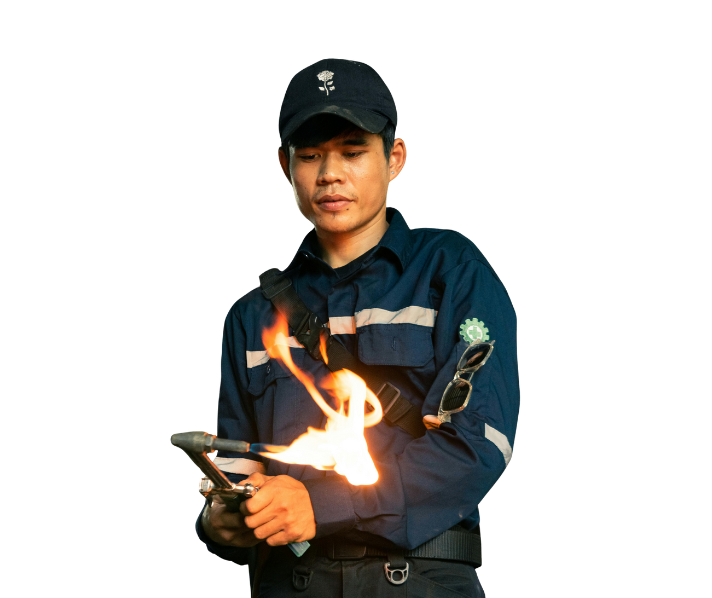
Industrial LPG solution Pakistan infrastructure supplying fuel to ceramic kiln production line

The Growing Role of LPG in Punjab’s Ceramic and Glass Manufacturing Sector

Punjab has long been the centre of Pakistan’s ceramic and glass manufacturing activity. Industrial clusters in Lahore, Gujranwala, Sheikhupura, Faisalabad, and surrounding districts operate hundreds of kilns, furnaces, and heat treatment systems that depend on reliable energy sources. In recent years, many of these plants have begun exploring alternative fuels, and one trend is becoming increasingly visible across the region: the shift toward industrial LPG solution Pakistan for process heating.

This transition is not simply a matter of fuel substitution. It reflects a broader transformation in how industrial energy is managed within Pakistan’s manufacturing sector.

Energy Challenges Facing Industrial Manufacturing

Industrial production in Pakistan has historically relied on natural gas, diesel, and furnace oil. However, supply interruptions, fluctuating fuel prices, and infrastructure constraints have created operational uncertainty for manufacturers.

For ceramic and glass plants, these disruptions can be particularly damaging. Production lines often run continuously for long cycles, and even a brief interruption in thermal energy can affect kiln temperature stability, product quality, and overall throughput.

In this environment, the lpg industry in pakistan has gradually positioned itself as an alternative energy ecosystem capable of supporting industrial manufacturing. LPG offers several advantages for process heating, including predictable combustion characteristics, easier storage logistics, and compatibility with modern industrial burners.

Industry discussions around industrial usage of LPG in Pakistan have therefore intensified, especially in sectors where high temperature process heat is essential.

Industrial LPG as a Process Heating Fuel

Ceramic tile kilns, sanitary ware furnaces, and glass melting units require consistent heat profiles. Temperatures often exceed 1000°C, and maintaining thermal uniformity is critical to avoid defects such as warping, incomplete firing, or structural inconsistencies in finished products.

An industrial LPG solution Pakistan can help address these requirements by delivering a stable gaseous fuel with controlled combustion properties. LPG burns with a clean flame, allowing better heat distribution inside furnaces and kilns.

For plant engineers, this stability is not just a technical convenience. It directly affects fuel efficiency and production quality. Precise fuel control allows operators to maintain optimal temperature curves during firing cycles.

Industrial LPG systems typically integrate storage tanks, vapour generation systems, regulators, and combustion equipment. When designed correctly, the system provides a continuous fuel supply capable of supporting large scale manufacturing operations.

The growing demand for such systems reflects a broader expansion of lpg in industries, particularly in manufacturing sectors where energy reliability is crucial.

Growth of the LPG Industry in Pakistan

Over the past decade, the lpg industry in pakistan has experienced steady expansion. Increasing urban demand, industrial fuel diversification, and investments in distribution infrastructure have all contributed to market growth.

Government policies aimed at improving energy access have also played a role. Regulatory frameworks and safety standards continue to evolve to support the safe handling and storage of LPG in industrial environments.

Manufacturers now operate under specific guidelines for storage tanks, pressure systems, and transportation. Compliance with these frameworks ensures that industrial LPG systems maintain both safety and operational efficiency.

For businesses planning large scale installations, understanding storage and safety regulations becomes essential. Guidance on tank placement, pressure control, and compliance requirements can be found in detailed technical resources such as the LPG storage compliance framework in Pakistan and the broader safety recommendations outlined in the industrial LPG storage tank safety guide.

These regulatory structures help ensure that LPG infrastructure is implemented responsibly across industrial sectors.

Industrial Applications Expanding Beyond Traditional Uses

Historically, LPG in Pakistan was more commonly associated with domestic cooking and small commercial operations. That perception has gradually shifted.

Today, industrial use of LPG in Pakistan spans multiple sectors including food processing, metal fabrication, chemical production, textile drying, and thermal treatment processes.

Ceramic and glass plants represent one of the fastest growing segments within this landscape. Their need for controlled combustion systems aligns well with the technical characteristics of LPG fuel systems.

Industrial engineers working in these plants increasingly evaluate LPG infrastructure as part of long term energy planning strategies. This includes evaluating tank storage capacity, fuel supply continuity, and integration with modern combustion technologies.

The expansion of these systems also reflects a wider trend across Pakistan’s manufacturing ecosystem: the need for reliable and flexible energy solutions capable of supporting continuous industrial production.

A Shifting Industrial Energy Landscape

As Pakistan’s manufacturing sector continues to modernise, energy diversification is becoming a strategic priority. Industries cannot rely on a single fuel source if production stability is to be maintained.

Within this changing landscape, the adoption of industrial LPG solution Pakistan is gradually becoming more common, particularly in sectors where thermal precision and operational continuity are critical.

For ceramic and glass manufacturers across Punjab, LPG systems represent a practical option within a complex industrial energy environment. Their growing presence in factory infrastructure signals a broader transformation in how industrial fuel systems are designed, managed, and integrated into modern manufacturing operations.

Why Industrial LPG Solutions Are Becoming Critical for Process Heating

In ceramic and glass manufacturing, heat is not just a supporting utility. It is the foundation of the entire production process. From kiln firing to furnace melting, temperature stability determines whether raw materials transform into high quality finished products. As manufacturing capacity expands across Punjab, many plants are reassessing their fuel systems and exploring a more reliable industrial LPG solution Pakistan for process heating.

This shift is driven by technical requirements as much as economic considerations.

Process Heating Demands in Ceramic and Glass Plants

Ceramic and glass production requires extremely controlled thermal environments. Ceramic tiles, sanitary ware, and porcelain products pass through firing cycles where temperatures may exceed 1100°C. Glass furnaces operate continuously at similarly high temperatures to melt silica and other raw materials.

Maintaining this level of heat requires fuel systems capable of delivering consistent energy output. Even minor fluctuations in flame intensity or fuel pressure can affect temperature profiles inside kilns and furnaces.

For plant operators, this is not simply a technical inconvenience. Irregular heating can lead to defects such as uneven glazing, structural cracks, incomplete vitrification, or glass distortion. These issues reduce product quality and increase waste.

Because of these challenges, modern factories rely on precisely engineered combustion systems built around high performance industrial LPG burners.

The Role of Industrial LPG Burners in Thermal Control

An industrial LPG gas burner is designed to provide controlled combustion suitable for large scale industrial furnaces. Unlike small commercial burners, these systems are engineered to deliver high heat output while maintaining stable flame characteristics.

Burners used in ceramic kilns or glass furnaces often include adjustable fuel valves, airflow control mechanisms, and flame stabilisation systems. These components allow engineers to regulate the air to fuel mixture and achieve optimal combustion efficiency.

Precise control over combustion improves both temperature stability and energy efficiency. When burners operate at the correct air fuel ratio, the system produces a hotter and cleaner flame with minimal energy loss.

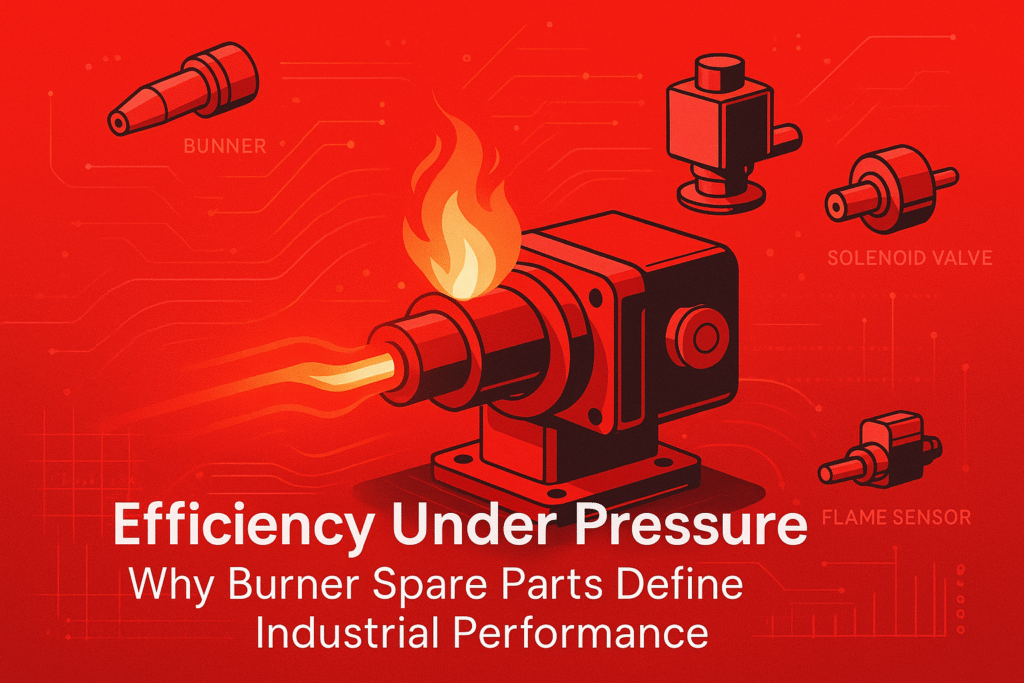
For manufacturers evaluating equipment options, the availability of specialised industrial LPG burners manufacturers and spare components has also made LPG systems more accessible. Plants can source burner assemblies and components locally through industrial suppliers such as those offering specialised burner spare parts in Pakistan.

This availability simplifies maintenance and reduces downtime in production facilities.

Pressure Regulation and Fuel Stability

Beyond burner design, fuel pressure management is another critical factor in industrial combustion systems. LPG must reach the burner at a consistent pressure to ensure stable flame formation.

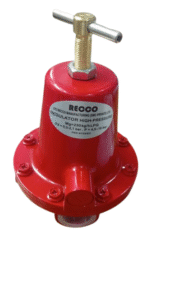
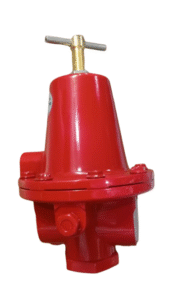
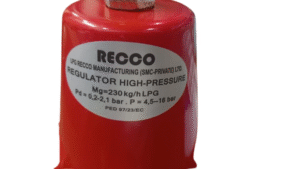
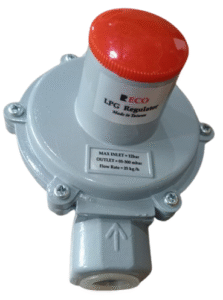
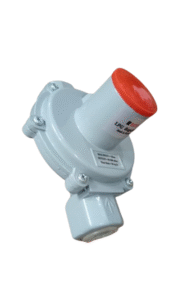
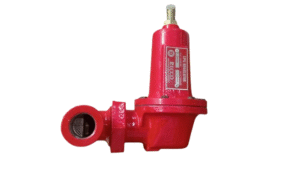
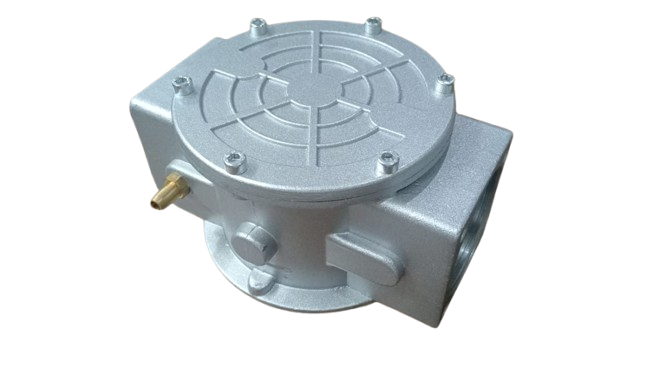
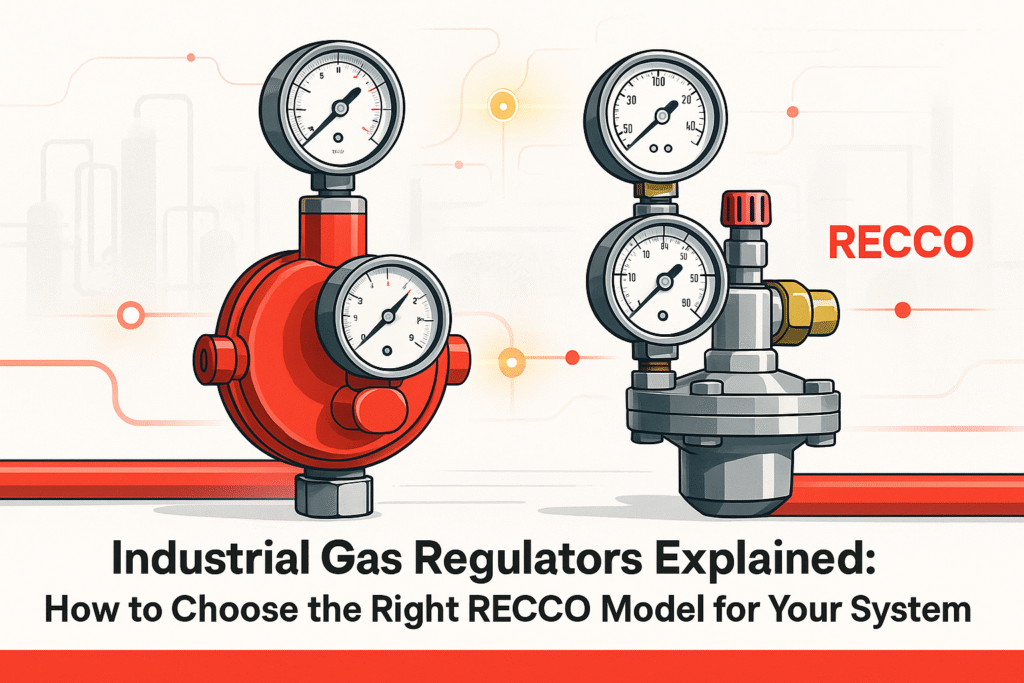
In industrial installations, this is achieved through multi stage pressure control systems using industrial LPG regulators. These regulators reduce high storage pressure to the precise level required by the burner.

Accurate pressure control prevents several operational issues. If pressure drops too low, burners may struggle to maintain a stable flame. If pressure rises unexpectedly, combustion may become inefficient or unsafe.

Modern industrial facilities therefore integrate engineered regulation systems that ensure continuous fuel delivery. Detailed guidance on pressure management and system design can be found in resources such as the industrial gas regulator technical guide.

Reliable pressure regulation allows combustion equipment to operate within optimal parameters even during high demand periods.

Efficiency Advantages of LPG Combustion

Another reason many manufacturers are evaluating an industrial LPG solution Pakistan lies in the combustion efficiency of LPG itself.

LPG contains a high calorific value and burns cleanly when mixed properly with air. This produces a stable flame with fewer particulates compared with some traditional fuels. In kiln environments, this cleaner combustion helps maintain uniform heat distribution.

Better combustion efficiency can translate into lower fuel consumption per production cycle. When kilns maintain stable heat curves, plants avoid the energy losses that occur when systems repeatedly heat and cool.

Engineers analysing fuel usage often use specialised calculation tools to determine system efficiency and expected consumption levels. Practical resources such as the industrial LPG consumption calculator can help plants estimate fuel requirements for large scale heating systems.

These analytical approaches are becoming increasingly important as manufacturers seek to optimise operational costs.

Industrial Heating Systems Are Becoming More Sophisticated

Manufacturing plants in Punjab are gradually adopting more advanced combustion technologies. Automated temperature monitoring, programmable burner control, and energy management systems are becoming more common in large ceramic and glass facilities.

Within this evolving industrial environment, fuel systems must support precision engineering rather than simple heat generation. Reliable burners, accurate pressure regulation, and consistent fuel supply all contribute to stable production conditions.

For many plants facing uncertain energy supplies, LPG infrastructure offers a practical way to maintain process stability while supporting high temperature industrial operations.

As the region’s manufacturing base continues to expand, the role of LPG based combustion systems in industrial heating is likely to become even more prominent.

Technical Constraints of Using LPG in High Temperature Industrial Applications

While LPG is widely recognised as an efficient industrial fuel, its use in large scale manufacturing systems also introduces several engineering constraints. Ceramic kilns and glass furnaces operate at extremely high temperatures and require uninterrupted fuel supply for extended production cycles. Designing a reliable industrial LPG solution Pakistan therefore demands careful attention to system pressure, storage capacity, vapour generation, and fuel flow control.

These technical factors differentiate industrial LPG systems from smaller commercial or domestic installations.

Understanding LPG Pressure Behaviour in Industrial Systems

LPG is stored as a liquid under pressure inside cylinders or storage tanks. When released, the liquid converts into vapour, which is then delivered to burners for combustion. This phase change is essential for the operation of LPG powered heating systems.

However, vapour generation capacity is limited by temperature, tank size, and fuel withdrawal rate. When demand exceeds the natural vapourisation capacity of the storage vessel, pressure can drop significantly. In high temperature manufacturing environments, such pressure drops can disrupt burner performance.

For ceramic and glass plants that require continuous heat output, maintaining stable industrial LPG cylinder pressure becomes a key engineering priority. If pressure fluctuates, burners may experience flame instability, uneven combustion, or sudden shutdowns.

These challenges highlight the importance of properly engineered fuel supply infrastructure rather than relying solely on individual cylinders.

Limitations of Cylinders in High Demand Applications

Many smaller factories begin using LPG through cylinders because they are easy to transport and install. However, cylinders have physical limitations when used in large scale industrial systems.

Each lpg cylinder for industrial use can only vaporise a limited quantity of fuel per hour. When a kiln or furnace requires higher fuel flow, multiple cylinders must be connected through a manifold system.

Even with manifolds, the system can still encounter pressure instability during periods of heavy fuel demand. Cold weather conditions can further reduce vapourisation capacity, making it harder for cylinders to maintain consistent fuel flow.

For these reasons, larger manufacturing facilities typically transition to bulk LPG storage systems supported by engineered vapour generation equipment. These installations ensure a continuous and controlled supply of gas even when consumption rates are high.

Safety and design considerations for these storage systems are discussed in resources such as the detailed LPG cylinder safety guidelines and broader technical recommendations provided in the industrial LPG regulator guide.

These frameworks help engineers design systems capable of supporting industrial scale energy demand.

Storage Tank Design and Infrastructure Constraints

Large scale plants often rely on bulk industrial LPG storage tanks rather than individual cylinders. These tanks can store significantly larger fuel volumes, reducing the need for frequent refilling and improving system stability.

However, tank installations introduce additional design requirements.

Engineers must consider factors such as:

• tank placement and safety distances
• vapour withdrawal capacity
• piping layout and pressure losses
• regulator positioning
• safety valve configuration

Tank dimensions and capacity must also match the plant’s fuel consumption profile. Oversized systems may increase installation cost, while undersized tanks can create supply limitations.

Industrial installations often follow standard design parameters such as standard LPG tank length industrial specifications, which help ensure that tanks maintain safe operating pressures and sufficient vapour production.

In addition, storage systems must comply with regulatory and safety guidelines for LPG handling. Detailed safety recommendations for tank installations can be reviewed in the LPG storage tank safety guide.

These guidelines address everything from foundation design to pressure relief systems.

Regulator Performance and Pressure Drop Challenges

Another technical constraint involves pressure regulation within LPG distribution networks. LPG leaves storage tanks at high pressure and must be reduced to the correct operating level before reaching industrial burners.

This is achieved using LPG regulator industrial type equipment that controls gas pressure across different stages of the fuel delivery system.

In large manufacturing plants, regulators are often installed in multiple stages to ensure gradual pressure reduction and stable gas flow. Improperly sized regulators can create pressure drop issues that affect burner performance.

Temperature conditions can also influence regulator behaviour. Under certain conditions, rapid gas expansion can cause cooling effects that lead to regulator freezing. This phenomenon can interrupt gas flow and reduce system reliability.

Solutions for such issues are explored in specialised engineering discussions such as the regulator freezing solutions guide, which explains how insulation and proper system design can mitigate these problems.

Engineering LPG Systems for Industrial Reliability

For ceramic and glass plants, these technical considerations demonstrate that LPG infrastructure must be engineered carefully to support continuous high temperature operations.

A well designed industrial LPG solution Pakistan integrates multiple system components including storage tanks, vapour generation equipment, pressure regulators, and burner assemblies. Each component must be sized according to the plant’s fuel demand and operational conditions.

Without proper system design, even a high quality fuel source like LPG may struggle to maintain stable combustion in demanding industrial environments.

As manufacturing facilities continue to modernise their heating infrastructure, engineers are increasingly focused on overcoming these constraints through improved system planning and advanced fuel management technologies.

Operational Risks and Safety Considerations in Industrial LPG Systems

Industrial LPG systems provide efficient and flexible fuel supply for high temperature manufacturing processes. However, like all combustible fuels, LPG must be handled with strict engineering discipline. Ceramic and glass plants operate large kilns, furnaces, and heating equipment where high volumes of gas are consumed continuously. In such environments, implementing a safe and reliable industrial LPG solution Pakistan requires careful attention to operational risks, safety infrastructure, and regulatory compliance.

Understanding these risks is an essential part of responsible industrial system design.

Characteristics of LPG That Influence Safety

Liquefied Petroleum Gas is stored as a pressurised liquid and converts into vapour when released. While this property allows LPG to deliver high energy output, it also means that leaks can quickly disperse flammable gas into surrounding areas.

LPG vapour is heavier than air. When released, it tends to accumulate near ground level or inside confined spaces such as trenches, pits, and equipment chambers. In industrial plants with complex piping networks and large furnace installations, this behaviour increases the importance of proper ventilation and gas monitoring.

Because LPG is colourless and odourless in its natural form, odorants are typically added so leaks can be detected by smell. However, relying solely on human detection is not sufficient in large industrial environments. Automated monitoring systems are therefore considered essential safety equipment.

Role of Industrial Gas Leak Detection Systems

One of the most important safety components in any LPG installation is the industrial LPG gas leak detector. These systems continuously monitor the air for traces of LPG and trigger alarms when gas concentrations exceed safe limits.

In large manufacturing facilities, leak detection systems are usually installed near key risk zones, including:

• LPG storage tanks
• pressure regulators and manifolds
• burner supply lines
• enclosed equipment areas

Modern detection systems can also integrate with plant control infrastructure. When gas is detected, the system can automatically shut down fuel supply valves or trigger emergency ventilation.

Technologies used for industrial monitoring are explained in more detail in the LPG leak detection technologies guide, which outlines how sensors and alarm systems improve safety across large gas installations.

The adoption of automated detection systems has become increasingly common as factories seek to reduce operational risk and protect workers.

Emergency Preparedness in Industrial LPG Facilities

Even with advanced safety equipment, plants must prepare for emergency situations. Industrial environments contain multiple potential ignition sources such as furnaces, electrical systems, and machinery.

If gas accumulation occurs near these sources, the risk of fire or explosion increases significantly. For this reason, manufacturers must implement comprehensive emergency response procedures.

Emergency planning typically includes:

• immediate shutdown protocols for gas supply
• evacuation procedures for workers
• coordination with fire response teams
• regular safety drills and system inspections

Industrial facilities often develop detailed response frameworks to manage these scenarios effectively. Guidance on structuring such procedures is available in resources like the LPG emergency response planning guide, which explains how facilities can prepare for potential gas incidents.

Preparedness measures reduce response time and improve safety outcomes in the unlikely event of an accident.

Regulatory Standards and Industrial Compliance

Industrial LPG systems in Pakistan must also follow safety regulations governing storage, transportation, and system installation. These regulations are designed to protect both workers and surrounding communities.

The regulatory environment includes LPG industry rules covering areas such as:

• tank installation distances
• pressure relief systems
• cylinder handling procedures
• transportation safety requirements

Compliance with these standards ensures that LPG infrastructure operates within safe operating limits. Industrial plants must also maintain proper documentation and inspection records for gas equipment.

Many facilities obtain certified safety equipment and monitoring devices to meet these requirements. Equipment designed specifically for industrial installations can be found through suppliers providing certified LPG safety equipment in Pakistan and specialised LPG fire safety equipment.

These technologies help ensure that safety standards are implemented consistently across industrial operations.

Transportation and Fuel Handling Risks

Another safety dimension involves the transportation and delivery of LPG fuel to manufacturing facilities. Bulk LPG is transported through specialised tanker trucks or cylinder distribution networks.

Handling procedures during loading, unloading, and storage must follow strict safety protocols to prevent leaks or pressure incidents. Personnel involved in fuel handling must also receive training in LPG safety procedures.

Industrial transportation guidelines are addressed in documents such as the LPG transportation safety framework in Pakistan, which outlines recommended practices for safe fuel movement within the supply chain.

By maintaining strict control over these processes, plants can reduce risks associated with fuel delivery and storage.

Building a Culture of Industrial Gas Safety

Ultimately, the safe use of LPG in manufacturing environments depends on more than equipment alone. It requires a systematic approach to safety that combines engineering design, monitoring technology, regulatory compliance, and workforce training.

Ceramic and glass plants that implement comprehensive safety frameworks can operate LPG systems with a high degree of reliability. When combined with proper infrastructure planning, these measures ensure that an industrial LPG solution Pakistan supports both efficient production and responsible industrial operation.

As LPG adoption grows across Pakistan’s manufacturing sector, safety management will remain a central priority for engineers and plant operators alike.

Designing an Efficient Industrial LPG Burner and Fuel Supply System

In ceramic and glass manufacturing, the efficiency of a fuel system is determined largely by how well the burner and fuel delivery infrastructure are designed. Kilns and furnaces operate at extremely high temperatures, and their performance depends on precise combustion control. When manufacturers adopt an industrial LPG solution Pakistan, the effectiveness of the system often comes down to burner engineering, fuel regulation, and airflow management.

An efficient combustion system does not simply burn fuel. It converts fuel energy into consistent heat while minimising waste, instability, and operational interruptions.

Fundamentals of Industrial LPG Burner Design

An industrial LPG burner design must address several engineering requirements simultaneously. The burner must generate a stable flame, deliver high thermal output, and maintain controlled combustion over long production cycles.

In ceramic kilns and glass furnaces, burners are often exposed to continuous high temperature environments. This requires robust construction materials and precise nozzle geometry. Burner nozzles regulate how gas exits the system and mixes with combustion air.

The shape and size of the nozzle influence flame length, heat intensity, and flame stability. Poor nozzle design can cause incomplete combustion, uneven heating, or excessive fuel consumption.

Engineers working on design LPG industrial burner systems therefore focus on ensuring that gas and air mix in the correct proportions before ignition occurs. This process is known as the air to fuel ratio, and it plays a crucial role in combustion efficiency.

Combustion Air and Flame Stability

Every LPG burner requires oxygen to support combustion. In industrial systems, air is delivered through blowers or fans that control the amount of oxygen entering the burner chamber.

If the air supply is too low, combustion becomes incomplete and produces carbon residues. If too much air is introduced, heat energy is diluted and overall efficiency drops.

Maintaining the correct balance ensures that the burner produces a clean, stable flame capable of delivering consistent thermal energy. This balance is particularly important in ceramic firing processes where temperature uniformity directly affects product quality.

Industrial engineers therefore integrate adjustable air control mechanisms into burner assemblies. These allow operators to fine tune airflow according to kiln operating conditions.

For plants seeking to maintain long term reliability, access to quality burner components and maintenance parts is equally important. Facilities often rely on specialised suppliers providing industrial combustion components such as those listed in the burner spare parts guide for Pakistan.

Reliable spare parts support consistent burner performance and reduce the risk of unexpected production downtime.

Fuel Delivery Infrastructure and Gas Flow Control

Even the best burner design cannot function properly without a stable gas supply system. LPG must travel from storage tanks through regulators, pipelines, and control valves before reaching the burner.

Gas flow must remain stable across the entire distribution network. Sudden pressure fluctuations can cause burners to operate inefficiently or even extinguish unexpectedly.

To prevent these issues, industrial systems incorporate multi stage pressure control equipment. These regulators gradually reduce the pressure of LPG stored in tanks before it reaches the burner.

High quality pressure control devices ensure that burners receive a steady flow of gas at the correct operating pressure. Detailed guidance on selecting and maintaining these systems can be found in technical resources such as the industrial gas regulator overview for Pakistan.

Stable gas flow enables burners to maintain consistent combustion across long production cycles.

Piping and Hose Systems in Industrial LPG Installations

Another key component of an efficient LPG fuel system is the piping network that connects storage tanks to combustion equipment. Industrial plants typically use heavy duty pipelines designed to withstand both pressure and environmental exposure.

Flexible hose connections are sometimes used in sections of the system where vibration or movement occurs. However, these hoses must meet strict safety and durability standards.

Improper hose selection can lead to pressure leaks, gas loss, or system instability. Industrial installations therefore require specialised materials designed specifically for LPG service.

Detailed installation recommendations can be found in the industrial LPG hose and fitting guide and related information on LPG hose fittings in Pakistan.

Correct piping design ensures that gas flows smoothly through the system without unnecessary pressure loss.

Engineering Reliable Combustion Systems

Industrial combustion systems are the result of multiple engineering decisions working together. Burner design, airflow control, pressure regulation, and piping layout must all align to support consistent heat generation.

When these components are properly integrated, an industrial LPG solution Pakistan can provide highly reliable thermal energy for ceramic and glass manufacturing. Stable combustion improves product quality, reduces fuel waste, and enhances operational efficiency.

For industrial plants operating high temperature furnaces, careful burner system design remains one of the most important factors influencing long term production stability.

How LPG Vaporizers Enable Stable Fuel Supply in Industrial Plants

In industrial heating systems, the reliability of fuel delivery is just as important as burner performance. Ceramic kilns and glass furnaces often consume large volumes of fuel continuously for long periods. Under such conditions, a stable gas supply becomes essential for maintaining consistent combustion. This is where vapour generation technology plays a critical role in an industrial LPG solution Pakistan.

LPG is stored in tanks as a liquid under pressure. However, industrial burners require LPG in its gaseous state. The process of converting liquid LPG into vapour must therefore occur before the fuel reaches combustion equipment.

While small systems can rely on natural evaporation inside cylinders or tanks, high demand industrial systems require a more controlled method. This is achieved through specialised LPG vaporizers.

The Principle of LPG Vaporisation

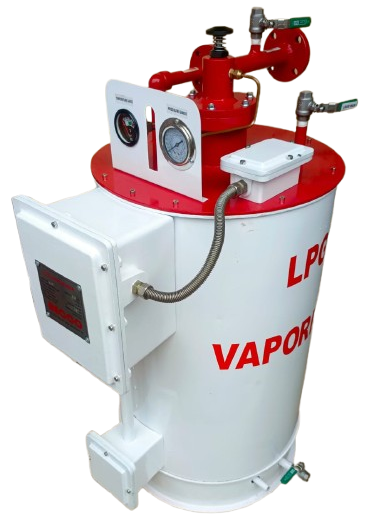
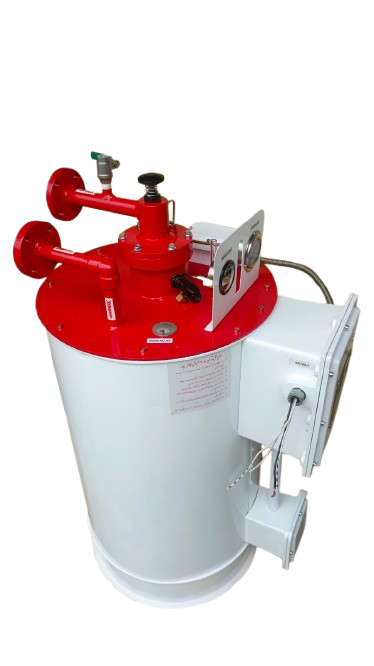
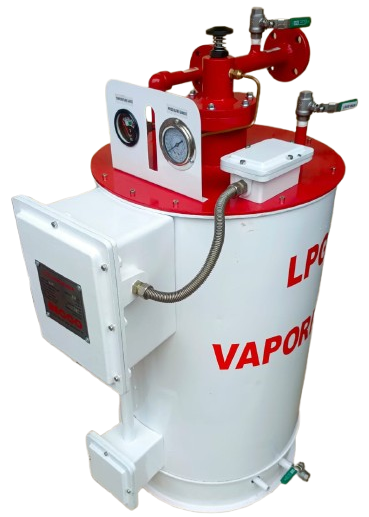
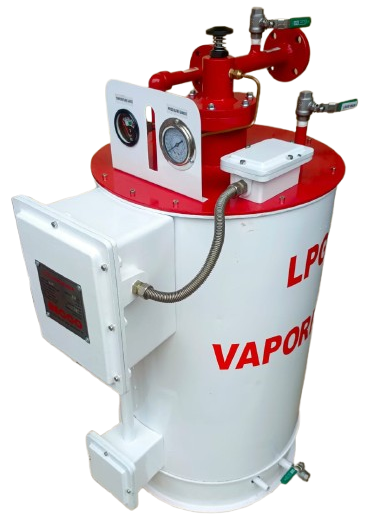
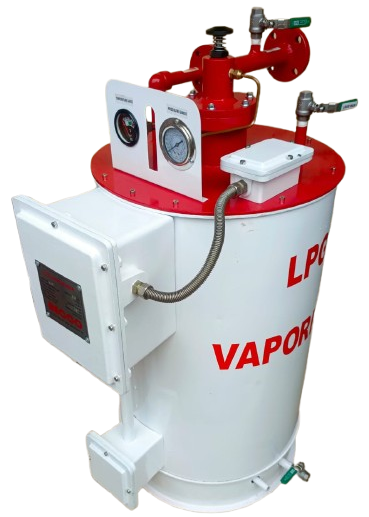
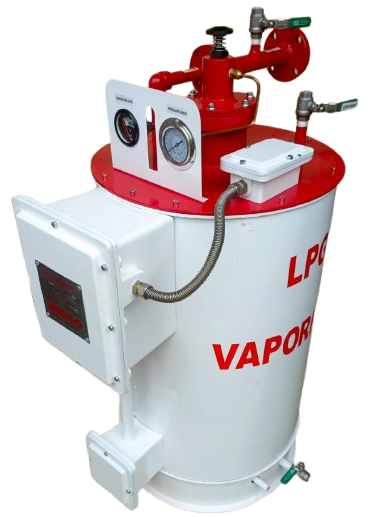
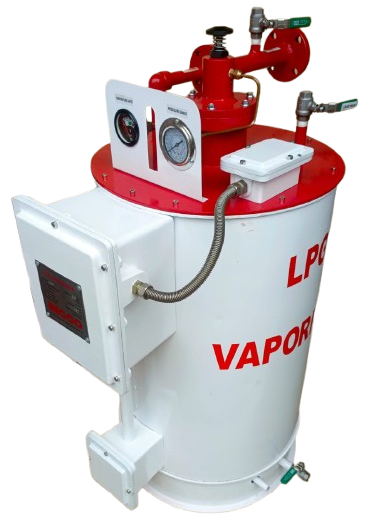
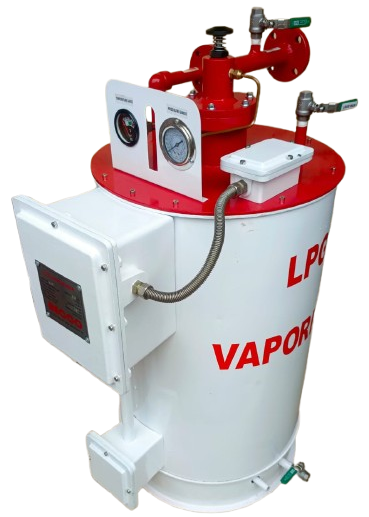
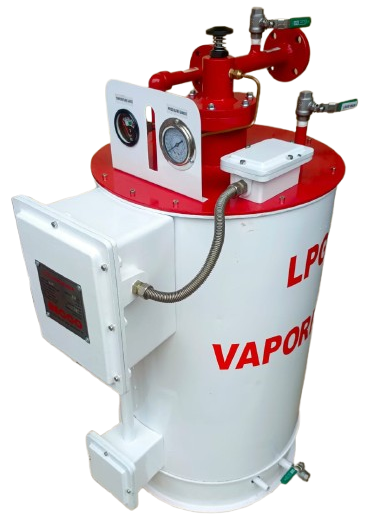
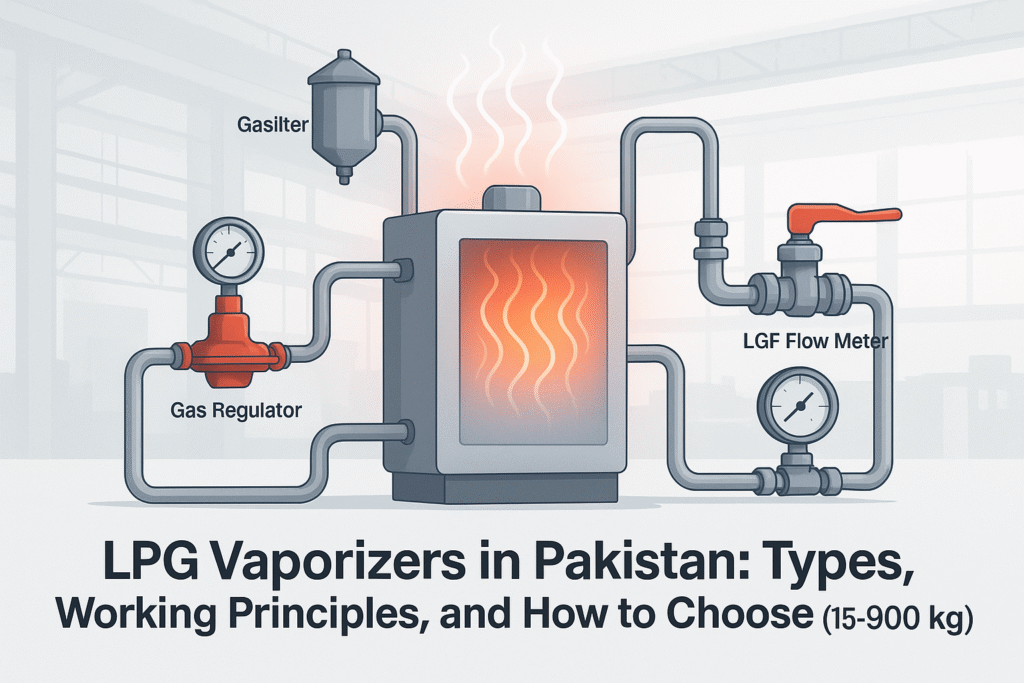
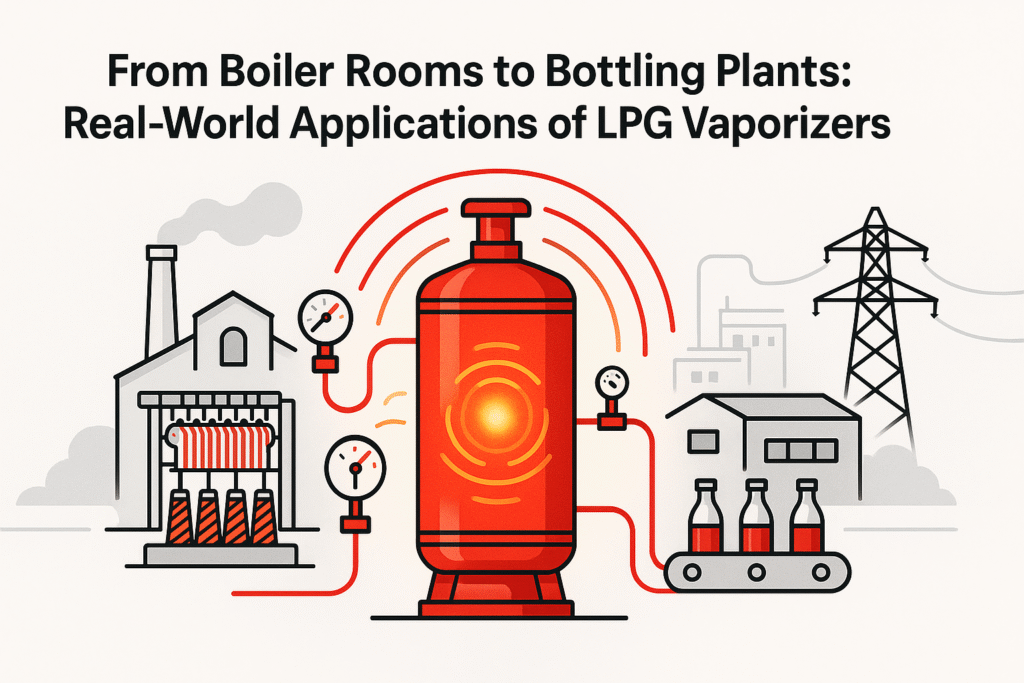
An LPG vaporizer is a device designed to convert liquid LPG into gas at a controlled rate. It ensures that burners receive a consistent supply of vapour even when fuel demand is high.

The process is based on a simple physical principle. When LPG absorbs heat, it transitions from liquid to vapour. In natural tank systems, this heat comes from the surrounding environment. However, the rate of natural evaporation is limited.

When a kiln or furnace requires large fuel volumes, natural vaporisation may not keep up with demand. As liquid LPG evaporates rapidly, the tank cools and pressure drops. This pressure reduction can cause unstable burner operation.

Vaporizers solve this problem by providing external heat to accelerate the LPG liquid to vapour conversion process. This allows the system to produce a steady supply of gaseous fuel regardless of tank temperature or withdrawal rate.

A detailed explanation of this process can be found in the technical guide on how LPG vaporizers work, which explains the engineering principles behind controlled vaporisation.

Why Vaporizers Are Essential in High Consumption Systems

Industrial ceramic and glass plants often operate large kilns that require continuous heat output for many hours or even days. The fuel consumption rate in such environments can exceed the natural evaporation capacity of storage tanks.

Without a vaporizer, the system may experience several operational issues.

First, gas pressure may fluctuate as tank evaporation struggles to meet demand. Second, the tank itself can become extremely cold, sometimes forming frost on its surface. This condition further reduces vaporisation capacity.

When pressure drops significantly, burners may lose flame stability or shut down completely. Production lines may then experience temperature fluctuations that disrupt the firing process.

By installing a properly sized LPG gas vaporizer system, plants can maintain constant fuel pressure and avoid these disruptions.

Industrial vaporizer systems are designed according to specific capacity requirements. Engineers evaluate kiln fuel consumption rates to determine the correct LPG vaporizer capacity for the installation.

Additional design considerations and sizing calculations are explained in the technical resource on LPG vaporizer sizing guide.

Proper sizing ensures that vaporizers can meet peak fuel demand without compromising system stability.

Types of Industrial LPG Vaporizers

Several types of vaporizer technologies are used in industrial LPG systems. Each type serves a specific operational environment.

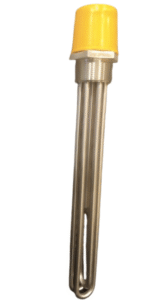
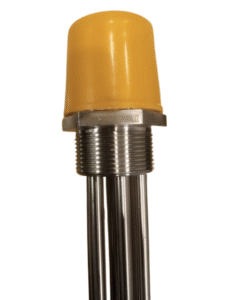
Electric vaporizers use heating elements to transfer heat to liquid LPG, allowing it to convert into gas at a controlled rate. These units are commonly used in facilities where electricity is readily available and precise temperature control is required.

Another option is the heaterless LPG vaporizer, which uses ambient air or water circulation to provide heat for vaporisation. These systems are often used in moderate climate environments where natural heat sources can support fuel conversion.

Different vaporizer technologies offer varying advantages depending on plant size, fuel demand, and environmental conditions. Engineers typically compare available systems before selecting the most suitable option.

A broader comparison of technologies can be found in the LPG vaporizer types comparison guide, which explains how different designs function in industrial applications.

Maintaining Vaporizer Performance

Like all industrial equipment, vaporizers require regular inspection and maintenance. Over time, deposits, corrosion, or component wear may reduce performance.

Routine maintenance ensures that vaporizer heating elements, valves, and sensors continue to function correctly. Monitoring fuel pressure and temperature conditions also helps operators detect potential issues early.

Proper maintenance procedures are outlined in the LPG vaporizer maintenance guide, which describes inspection routines for industrial installations.

Regular servicing ensures that vaporisation systems continue to support stable fuel delivery.

Supporting Reliable Industrial Fuel Systems

In large manufacturing plants, vaporizers act as the bridge between liquid LPG storage and gas powered combustion equipment. By maintaining consistent gas pressure and fuel flow, they help ensure that burners operate smoothly even under heavy demand.

For ceramic and glass manufacturers seeking long term energy reliability, vaporizers therefore represent an essential component of a modern industrial LPG solution Pakistan.

As fuel consumption increases across Pakistan’s manufacturing sector, the role of vaporisation technology will continue to expand within industrial energy infrastructure.

Implementing an Industrial LPG Infrastructure for Ceramic and Glass Plants

Designing a reliable fuel system is only one part of the equation. For ceramic and glass manufacturers, the next challenge lies in implementing a complete LPG infrastructure that can support continuous production. Kilns and furnaces operate for long cycles and require stable heat supply without interruption. To achieve this reliability, an industrial LPG solution Pakistan must combine multiple system components into a well integrated fuel network.

This infrastructure typically includes storage tanks, vaporizers, pressure regulation systems, pipelines, monitoring equipment, and maintenance protocols.

Storage Systems for Industrial Fuel Supply

The first step in building an LPG infrastructure is establishing adequate fuel storage capacity. Industrial plants often consume large quantities of LPG each day, particularly when multiple kilns or furnaces operate simultaneously.

Bulk industrial LPG storage tanks are commonly used to maintain a steady fuel reserve. These tanks store LPG in liquid form under pressure and allow plants to receive deliveries in larger quantities compared with cylinder based systems.

Proper tank sizing is essential for operational stability. Engineers must calculate expected daily fuel consumption and determine how much storage capacity is required to support production cycles.

Placement of storage tanks also requires careful planning. Tanks must be located at safe distances from buildings, ignition sources, and public areas. Proper foundations, pressure relief systems, and safety barriers are also required.

Industrial guidelines covering storage installations and compliance requirements can be found in the LPG storage compliance framework in Pakistan.

Following these standards ensures that LPG storage infrastructure remains safe and reliable.

Integrating Vaporizers into the Fuel System

Once LPG is stored in bulk tanks, the next step is ensuring that the liquid fuel can be converted into vapour for combustion equipment. High demand industrial environments rarely rely on natural evaporation alone.

Instead, vaporizers are installed to maintain stable gas supply under heavy load conditions. These systems convert liquid LPG into gas at a controlled rate and deliver it to the fuel distribution network.

The vaporizer must be sized according to the plant’s peak fuel consumption requirements. Undersized systems may struggle to supply sufficient gas during high demand periods.

Vaporizer selection and installation are explained in detail in the technical guide on LPG vaporizers in Pakistan, which discusses how industrial plants integrate vaporisation systems into larger fuel infrastructures.

By stabilising fuel pressure and supply, vaporizers ensure that burners receive a continuous flow of gas during kiln operation.

Pressure Regulation and Fuel Distribution

After LPG is vaporised, the gas must travel through pipelines to reach burners installed in kilns or furnaces. Because LPG storage tanks operate at higher pressures than burners require, pressure control equipment becomes essential.

Multi stage regulator systems gradually reduce pressure as the gas moves through the distribution network. This controlled reduction ensures that fuel arrives at the burner with the correct pressure for stable combustion.

Engineers must carefully design the pipeline layout to avoid pressure losses caused by long distances, sharp bends, or undersized pipes.

In addition to regulators, industrial plants often install flow meters and monitoring devices that track gas consumption across different production lines. These systems allow engineers to evaluate fuel efficiency and detect unusual consumption patterns.

Modern monitoring technologies such as smart metering solutions are increasingly used to analyse gas usage. These systems are discussed in the overview of the smart gas meter technologies in Pakistan, which explains how digital monitoring improves industrial fuel management.

Accurate monitoring helps manufacturers optimise fuel usage and maintain operational efficiency.

Maintenance and System Reliability

Industrial LPG infrastructure requires regular inspection and maintenance to ensure long term reliability. Components such as regulators, valves, sensors, and pipelines must be checked periodically for wear or performance issues.

Routine maintenance schedules allow engineers to detect potential problems before they affect production. These inspections often include leak detection tests, pressure checks, and equipment calibration.

A structured approach to maintenance is essential for facilities that rely on continuous kiln operation. Guidelines for developing maintenance routines are described in the LPG system service schedule guide.

Following these procedures helps maintain stable fuel delivery and reduces the risk of unplanned shutdowns.

Supporting Industrial Energy Transition

Many manufacturing plants in Punjab are gradually transitioning from older fuel systems toward more flexible energy solutions. Diesel and furnace oil have historically powered many industrial kilns, but rising costs and supply uncertainties have encouraged factories to evaluate alternative fuels.

LPG infrastructure provides a pathway toward more controlled combustion systems and improved energy efficiency. When properly implemented, an industrial LPG solution Pakistan can support large scale manufacturing operations while offering greater fuel flexibility.

For ceramic and glass plants seeking to modernise their heating systems, the development of a complete LPG infrastructure represents a practical step toward long term energy stability and improved operational performance.

The Future of Industrial LPG Solutions in Pakistan’s Manufacturing Sector

Pakistan’s manufacturing sector is entering a period of gradual transformation. Industries that rely on high temperature processes are increasingly reassessing how they manage energy supply, operational efficiency, and long term production stability. In this evolving landscape, the adoption of an industrial LPG solution Pakistan is becoming an important part of industrial energy planning, particularly for sectors such as ceramics, glass, food processing, and metallurgy.

The future role of LPG in manufacturing will likely be shaped by energy security concerns, technological advancements, and the need for more efficient combustion systems.

Industrial Energy Diversification in Pakistan

For many years, natural gas served as the primary industrial fuel in Pakistan. However, supply limitations, seasonal shortages, and infrastructure constraints have created challenges for manufacturers who rely on uninterrupted heat supply.

Industries operating continuous furnaces or kilns cannot afford sudden fuel interruptions. Production cycles in ceramic and glass plants may run for dozens of hours or even days. If fuel supply becomes unstable, temperature variations can affect product quality and damage equipment.

These challenges have encouraged manufacturers to diversify their energy sources. In recent years, discussions around industrial usage of LPG in Pakistan have gained momentum as factories explore alternative fuels capable of supporting stable operations.

LPG systems allow manufacturers to maintain on site fuel storage and operate independently from pipeline based gas networks. This flexibility is particularly valuable in industrial zones where natural gas availability may fluctuate.

An overview of the broader energy landscape and industrial LPG adoption trends can be explored through resources such as the industrial LPG energy overview for Pakistan.

Understanding these trends helps manufacturers evaluate how LPG infrastructure may fit into their long term energy strategies.

Improving Manufacturing Efficiency Through Modern Fuel Systems

Industrial combustion technologies are evolving rapidly. Modern kilns and furnaces increasingly rely on automated control systems that monitor temperature profiles, fuel flow rates, and combustion efficiency.

These advanced systems require stable and predictable fuel delivery. LPG combustion systems can support these requirements because they provide clean burning fuel and allow precise pressure regulation.

When integrated with automated control systems, LPG infrastructure can help manufacturers maintain optimal heat distribution across firing chambers. This improves product consistency while reducing energy waste.

As the lpg industry in pakistan continues to expand, more manufacturers are expected to invest in engineered fuel systems that support modern production technologies.

The shift toward data driven energy management also means that factories are beginning to analyse fuel consumption patterns more closely. Monitoring tools and digital gas metering technologies allow engineers to evaluate system efficiency and identify opportunities for improvement.

Such technological integration reflects the broader industrial modernisation taking place across Pakistan’s manufacturing sector.

Strengthening Industrial Infrastructure and Safety Standards

Another important factor influencing the future of LPG in industry is the continued development of safety frameworks and regulatory oversight.

Industrial gas systems must operate within well defined standards to protect workers, facilities, and surrounding communities. As LPG adoption increases, regulatory authorities and industry organisations are strengthening guidelines governing system design, installation, and operation.

The lpg industries association of pakistan and related regulatory bodies continue to promote best practices for safe fuel handling and infrastructure management. These efforts help ensure that LPG systems operate safely even in high demand industrial environments.

Improved safety awareness has also encouraged manufacturers to invest in better monitoring equipment, leak detection technologies, and emergency response systems.

As these standards evolve, industrial LPG systems will likely become even more sophisticated and reliable.

Global Trends Influencing the LPG Industry

Pakistan’s industrial energy strategy does not exist in isolation. Global energy markets and industrial trends also influence how fuels are used in manufacturing.

International organisations such as the International Energy Agency highlight the growing role of LPG as a flexible industrial fuel in regions where pipeline gas infrastructure is limited. Many developing economies rely on LPG to support manufacturing growth while maintaining manageable energy costs.

Countries across Asia and Africa are increasingly using LPG in sectors such as ceramics, metal processing, agriculture, and food production. This broader global trend suggests that LPG will continue to play a meaningful role in industrial energy systems.

Manufacturers in Pakistan are therefore part of a wider transition toward diversified and flexible fuel infrastructure.

Strategic Considerations for Industrial Operators

For plant engineers and facility managers, the decision to implement LPG systems involves both technical and strategic evaluation. Factors such as production scale, fuel consumption patterns, and infrastructure investment must all be considered carefully.

A properly designed industrial LPG solution Pakistan can provide reliable heat supply, improved combustion control, and operational flexibility. However, these benefits depend on thoughtful system design and professional implementation.

Industrial operators who wish to explore LPG infrastructure can review available technologies and system design approaches through technical resources or by consulting experienced industry suppliers such as those represented at Indus3’s industrial LPG solutions platform.

Organisations interested in understanding infrastructure requirements or system design considerations may also explore technical information provided by the company through its industry expertise and company background or request consultation via the contact page.

As Pakistan’s manufacturing sector continues to modernise, the integration of advanced LPG fuel systems is likely to become an increasingly important part of industrial energy strategy.

Share this post :

Facebook
Twitter
LinkedIn
Pinterest

Leave a Reply

Your email address will not be published. Required fields are marked *