Understanding LPG in Winter Pakistan: Why Pressure Drops and Flames Get Weak
When the cold settles across Pakistan, millions of households notice the same frustrating pattern: the stove flame turns weak, the heater barely warms the room, and LPG cylinders feel heavier yet perform worse. These problems aren’t random. They’re part of a predictable shift in how LPG in winter Pakistan behaves under low temperatures and rising seasonal demand.
Why LPG Demand Rises in Winter Across Pakistan
Winter brings a sharp rise in LPG consumption across the country. As natural gas pressure drops—a common issue reported every year—families increasingly turn to LPG cylinders for cooking and heating. This surge creates intense LPG demand in winter Pakistan, especially in areas where piped gas is unreliable.
Urban centres such as Lahore, Islamabad, and Rawalpindi see the highest seasonal shift. Yet it’s the off-grid regions—Northern KP, Gilgit Baltistan, Azad Kashmir, Balochistan highlands, and the tribal belt—where LPG becomes an essential survival fuel. During severe cold spells, people rely on LPG heaters, geysers, and stoves more frequently, stretching supply chains to their limits.
As demand spikes, the country often faces winter LPG shortage Pakistan, prompting households and small businesses to stock up early or search multiple suppliers to secure a cylinder. Peaks in usage usually occur between December and February, aligning with the harshest weather.
The Science Behind LPG Pressure Drop in Cold Weather
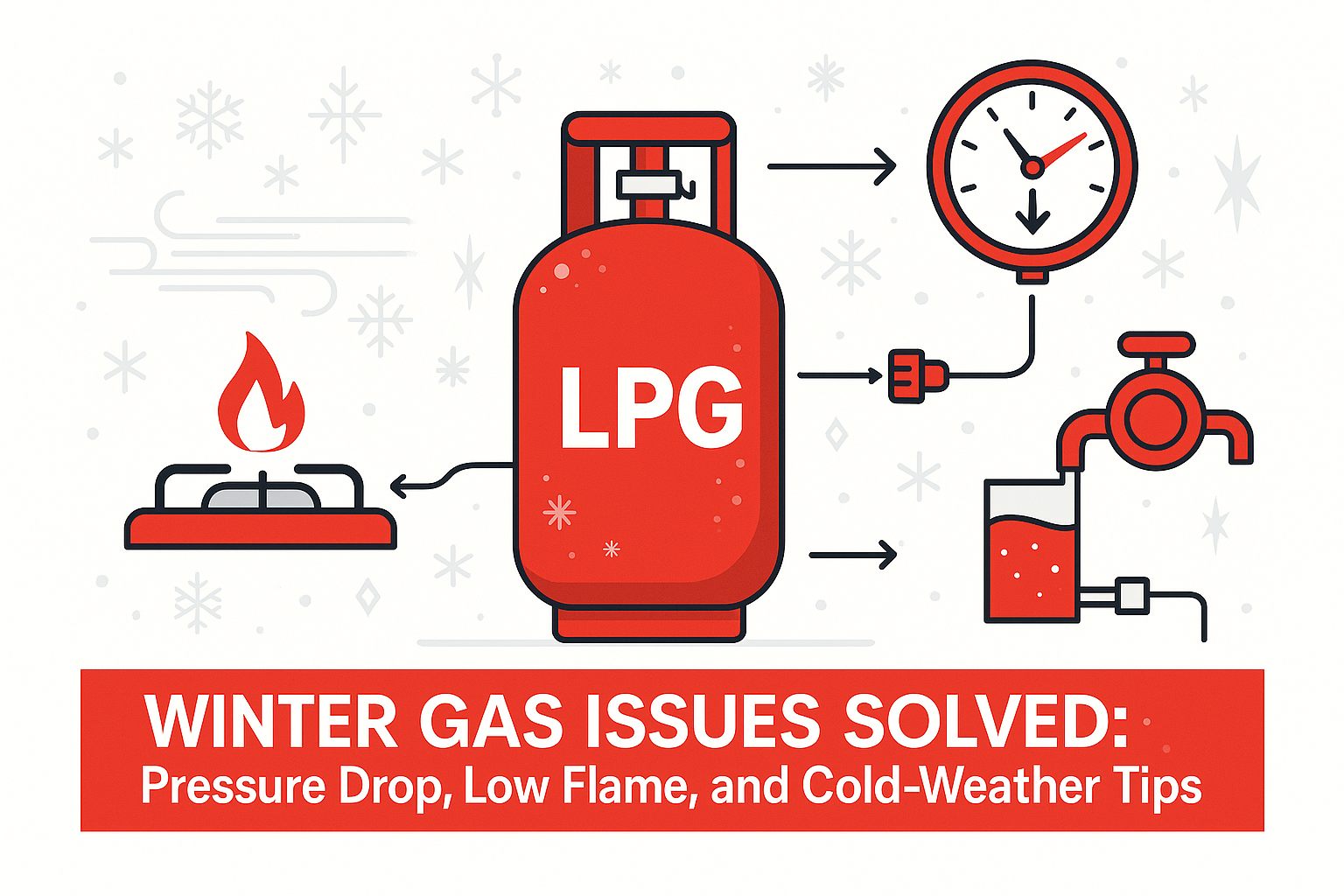
Most winter complaints—slow flame, delayed ignition, or almost no vapour output—stem from basic physics. LPG is stored as liquid in a cylinder and converts into vapour before it reaches your stove. Vapourisation depends heavily on temperature.
In cold conditions, the liquid LPG absorbs heat from the surrounding environment more slowly. As temperatures drop, vapour formation slows, causing weak output and fluctuating pressure. That’s why many people notice LPG cylinders cold season Pakistan feeling extremely chilled or forming frost on the outside.
The butane-propane mix inside the cylinder also plays a role. Butane struggles to vaporise at temperatures below 0°C, making it less efficient in northern areas. Propane performs better in winter, but availability varies depending on imports and local distribution. According to multiple OGRA reports and coverage from Dawn on the winter energy crisis, these patterns are consistent across Pakistan each year.
This behaviour contributes directly to the broader winter energy crisis Pakistan LPG, especially when the national grid faces gas load shedding and households switch to LPG as their primary heating source.
Regions in Pakistan Most Affected by Winter LPG Issues
Not all regions experience LPG problems the same way. Areas with freezing temperatures or low ambient heat suffer the most noticeable performance drops. Gilgit Baltistan, Skardu, Chitral, Kalam, Murree, Abbottabad, Quetta, and Ziarat top the list. These regions regularly fall below zero, limiting LPG vaporisation almost daily during peak winter.
In central Punjab—Gujrat, Gujranwala, Lahore, and Faisalabad—issues emerge more from rising demand than extreme cold. Cylinders may still function, but pressure fluctuations and supply shortages become more common. Meanwhile, in Balochistan and mountainous KP regions, cylinders may barely produce a usable flame without warming techniques.
Transportation disruptions also increase in winter. Snowfall blocks routes, delaying deliveries and causing temporary shortages in remote markets. This mismatch between supply and consumption amplifies local cylinder prices and creates opportunities for black-market sellers.
LPG Supply Chain Challenges in Winter: Why Shortages Happen
Every winter, households and businesses across the country experience the same worrying pattern: rising prices, delayed deliveries, and sudden cylinder shortages. The root cause is a mix of seasonal demand, logistics failures, and market distortions that severely impact LPG in winter Pakistan. While LPG remains a critical alternative where natural gas is unreliable, its supply chain becomes increasingly fragile during the cold months, creating widespread challenges for both domestic and industrial users.
LPG Import and Distribution Bottlenecks During Winter
Pakistan relies heavily on imported LPG to balance local production shortages. During winter, these imports often decline due to shipping delays, international pricing spikes, and congested port activity. As global demand rises in colder countries, imported consignments become more expensive or arrive later than planned. This has a direct impact on LPG import winter Pakistan, especially for regions dependent on private suppliers.
Distribution challenges intensify inland. The LPG supply chain stretches from coastal terminals to distributors across Punjab, KP, Balochistan, and Gilgit Baltistan. Winter weather disrupts key routes, slowing trucks, limiting nighttime movement, and causing longer delivery cycles. Mountain regions experience road closures due to snow, directly affecting LPG winter supply Pakistan. Even small delays quickly create gaps between supply and demand, pushing local vendors to ration stock.
According to multiple OGRA notices and transport-related data from the Pakistan Bureau of Statistics, winter increases the average distribution time by up to 20–30% in northern regions. This ripple effect eventually reaches urban centres, creating temporary shortages even in major cities.
How the Black Market Exploits Winter LPG Shortages
Where formal supply chains struggle, the black market steps in. Winter fuels a steady rise in illegal refilling points, cylinder hoarding, and price manipulation, creating a parallel market that thrives on scarcity. These operators take advantage of LPG black market winter Pakistan, inflating prices far beyond OGRA-regulated rates.
In many regions, especially peri-urban areas, households find legitimate distributors out of stock, only to discover cylinders available through unofficial channels at double the price. Some suppliers also hoard LPG intentionally, waiting for peak cold spells to release stock at premium rates. This behaviour distorts the entire supply chain and undermines consumer safety, as illegally refilled cylinders often use substandard equipment that increases fire and leakage risks.
Unregulated distribution also disrupts the official LPG distribution winter Pakistan network. Black market activity diverts supply away from licensed dealers, compounding the shortage further and pushing families into unsafe channels.
Government Measures for LPG Supply in Winter Pakistan
Each winter, the government and regulatory bodies attempt to stabilise the LPG market through a mix of pricing controls, anti-hoarding crackdowns, and enhanced monitoring. OGRA typically issues winter-specific guidelines to regulate prices, discourage illegal refilling, and improve transparency. While these measures help, implementation varies across provinces.
To counter LPG winter supply Pakistan disruptions, authorities occasionally increase imported consignments, encourage private sector imports, and coordinate distribution to vulnerable regions. In severe cold waves, provincial administrations deploy monitoring teams to inspect refilling stations and verify safety compliance.
Energy reports published by The Express Tribune highlight that while policy interventions exist, Pakistan’s LPG supply chain remains highly sensitive to weather and logistics constraints. Without modern infrastructure and stronger enforcement, winter continues to expose the weaknesses of the system.
Why Your LPG Cylinder Loses Pressure in the Cold: Technical Insights
Every winter, households and industries across Pakistan face an unavoidable reality: LPG pressure drops, the flame weakens, and cylinders seem to “freeze” from the outside. These issues aren’t signs of faulty equipment—they’re a direct result of how LPG in winter Pakistan behaves under cold temperatures. Understanding the science behind LPG vaporisation can help both domestic users and industrial operators plan smarter for the harsh winter months.
How Low Temperatures Affect LPG Vaporisation
LPG (Liquefied Petroleum Gas) is a blend of propane and butane. While both are highly efficient fuels, they behave very differently when temperatures drop. Propane continues to vaporise efficiently even in sub-zero conditions, but butane struggles to evaporate below 0°C. In Pakistan, many commercial cylinders contain a higher proportion of butane because it’s cheaper and widely available.
During winter, colder ambient temperatures slow the rate at which liquid LPG converts into vapour. Because stoves and heaters run on vapour, not liquid, low vaporisation directly leads to weak flames and fluctuating pressure. This is why LPG cylinders cold season Pakistan often show frost on their outer surface—the liquid inside isn’t absorbing enough heat from the surroundings to maintain steady vapour production.
International LPG behaviour studies also confirm that cylinder performance decreases by up to 40% in cold climates, especially when the fuel composition leans heavily toward butane rather than propane. This principle becomes even more noticeable in regions where winter temperatures fall below 5°C.
Domestic Cylinder Behaviour in Pakistan’s Winter
For households, low pressure is most noticeable early in the morning or during peak cold spells. Cylinders stored outdoors or in open-air kitchens lose heat to the environment faster, reducing vaporisation speed. This makes domestic cylinder LPG Pakistan winter usage particularly challenging.
The colder the cylinder, the weaker the flame. Many families report that even full cylinders produce minimal heat output. This happens because the liquid level inside remains high while vapour space remains limited, creating a bottleneck in the delivery of gas to the appliance.
Domestic users in northern Punjab, KP, Gilgit Baltistan, and Balochistan experience these issues most severely. Lower temperatures and higher altitude make LPG vaporisation even slower, forcing households to warm cylinders manually—something dangerous and strongly discouraged by safety experts. A better solution is investing in high-quality regulators, valves, and safety accessories that support consistent flow, even in winter conditions.
To explore certified equipment, you can browse LPG Accessories (https://indus3.pk/product-category/lpg-accessories/) designed to ensure proper safety and flow control.
Industrial LPG Systems and Vaporizers in Cold Weather
Industrial facilities operate on a larger scale, and winter pressure drops can halt production lines, reduce heating efficiency, or damage equipment. That’s why industries rely heavily on vaporizers—devices designed to heat LPG and convert it into vapour at a stable rate, regardless of outside temperature.
An industrial LPG vaporizer Pakistan converts liquid LPG into vapour by using electric, steam, or hot-water–based heating systems. This ensures consistent supply to burners, boilers, furnaces, and kilns even when temperatures fall below freezing. Vaporizers bypass the limitations of natural ambient heat, making them essential for factories operating in northern regions or open-air industrial environments.
Without vaporizers, LPG-dependent industries experience flame instability, low burner performance, and significant fuel wastage. Modern vaporizers also improve safety and reduce labour-intensive cylinder handling.
To see suitable options, explore LPG Vaporizers (https://indus3.pk/product-category/lpg-vaporizer/) available through Indus 3, built for reliable year-round performance.
External engineering references, including energy behaviour studies, highlight that industrial LPG systems can achieve up to 90% efficiency improvement during winter when vaporizers are integrated into the supply network.
Winter Troubleshooting: How to Fix Low Flame, Low Pressure, and Poor Heating
Each winter, countless families struggle with weak stove flames and unpredictable pressure issues. These problems often appear suddenly and feel impossible to fix, but most are rooted in predictable seasonal changes affecting LPG in winter Pakistan. With the right techniques and a basic understanding of your cylinder and equipment, you can keep your home warm, your meals cooking, and your LPG usage steady throughout the cold months.
Simple Fixes for Low Flame During Cold Weather
Low flame is the most common complaint during winter. When temperatures drop, LPG vaporises more slowly, reducing the flow rate and causing weak burners. The first step is to bring your cylinder closer to a warmer indoor location—still ventilated, but away from direct cold wind. Avoid placing it outdoors in areas where temperatures fall below 10°C, as this significantly slows vaporisation.
Another quick trick is to gently reposition the cylinder upright on a dry wooden board to reduce floor-level cold absorption. Many people place cylinders directly on concrete floors, which remain colder and worsen flame performance.
Check if the burner holes are clean and not clogged with oil or food residue. Even a minor blockage can exaggerate pressure loss, especially during winter. Cleaning the stove and hose connection often restores a stronger flame.
These simple steps are especially useful for household LPG Pakistan winter usage, where stoves and heaters must run consistently throughout the day. And while these solutions help, always ensure your setup aligns with recognised safety guidelines, such as those provided by NFPA, which stresses proper ventilation and equipment checks for safe LPG handling.
Preventing Pressure Drops in Domestic LPG Cylinders
Pressure drop is inevitable when the cylinder becomes too cold. Instead of resorting to unsafe practices like heating the cylinder directly—which can be extremely dangerous—use safer and more reliable methods.
Keep the cylinder in a semi-sheltered corner of the kitchen, ensuring it stays warm enough to maintain vapour pressure. Make sure the hose isn’t bent or pinched, as restricted gas flow becomes more noticeable during the winter slowdown. For homes relying on multiple appliances, avoid running all LPG devices simultaneously; this can drain vapour faster than it forms, accelerating pressure loss.
When managing LPG cost winter Pakistan, small efficiency habits help. For example, using cookware with flat bottoms and lids retains heat better and reduces cooking time. Adjusting flame height appropriately and turning off the stove a few minutes early (letting residual heat finish the job) are useful tips to save LPG usage in winter Pakistan homes.
Always ensure your accessories are in good condition. Poor-quality hoses, damaged connectors, or ageing regulators cause sudden pressure dips. This is where checking equipment health becomes essential.
Signs Your LPG Regulator or Valve Needs Replacement
A faulty regulator or valve is often mistaken for a winter-related pressure issue. If you notice frequent backfiring sounds, inconsistent flame height, or gas leakage smell, your regulator may be failing. Old or worn-out regulators cannot maintain steady flow under cold conditions, making the flame weaker than expected.
Look for physical signs too—rust, cracks around the valve, stiffness when turning knobs, or difficulty attaching the regulator to the cylinder. These are clear indicators that replacement is overdue.
To diagnose effectively, try swapping the regulator with a spare to compare performance. If the flame improves instantly, the issue is equipment-related. High-quality regulators and safety devices help maintain stable flow during winter and reduce the risk of leakage or ignition failure.
You can explore certified LPG Regulators (https://indus3.pk/product-category/lpg-accessories/lpg-regulator/) and durable LPG Safety Devices (https://indus3.pk/product-category/lpg-accessories/lpg-safety/) to ensure your system runs securely through the cold season.
Industrial LPG Use in Winter: How Factories Maintain Flame Stability
Industrial facilities across Pakistan rely on LPG for heating, production, and process efficiency. But when temperatures fall, even large-scale systems face the same seasonal challenges that households experience—only with far higher stakes. Weak burner flames, unstable pressure, and vaporisation delays can disrupt entire production lines. Understanding how industries manage LPG in winter Pakistan reveals why specialised equipment is essential for stable and safe operations.
Why Industrial Sites Use Vaporizers in Winter
Factories consume LPG at far greater volumes than domestic users, making them more sensitive to vapour supply fluctuations. As winter temperatures drop, natural vaporisation slows dramatically, and the cylinder or bulk tank can no longer keep up with industrial demand. To solve this, industrial sites rely on vaporizers—devices designed to heat LPG and convert it into vapour at a consistent rate.
A vaporizer bypasses ambient temperature limitations by artificially heating the LPG, ensuring steady conversion regardless of weather conditions. This makes vaporizers crucial as a heating fuel alternative LPG Pakistan winter, especially in regions where natural gas pressure collapses during cold spells.
For industries in Punjab, Khyber Pakhtunkhwa, Gilgit Baltistan, and Quetta—areas hit hardest by winter lows—vaporizers protect against shutdowns caused by poor vapour formation. They stabilise burner performance, support continuous flow, and help maintain safe pressure levels in high-consumption environments.
Many factories in Pakistan use systems such as the Industrial LPG Vaporizer ½ Inch (https://indus3.pk/product/industrial-lpg-vaporizer-half-inch/) to support their winter operations. This ensures their equipment receives a reliable vapour stream, preventing flame drop-outs and process inefficiencies.
Studies from international LPG associations confirm that vaporizers can improve fuel efficiency by up to 80% in cold conditions, reducing downtime and maintaining consistent output throughout winter.
Essential Accessories for Winter LPG Operations
Industrial LPG systems depend on more than vaporizers alone. Accessories like regulators, valves, filters, and thermostats play a vital role in maintaining a stable supply chain during harsh months. Poor-quality components can fail under low temperatures, allowing moisture, dust, or impurities to interfere with the system and cause burner malfunction.
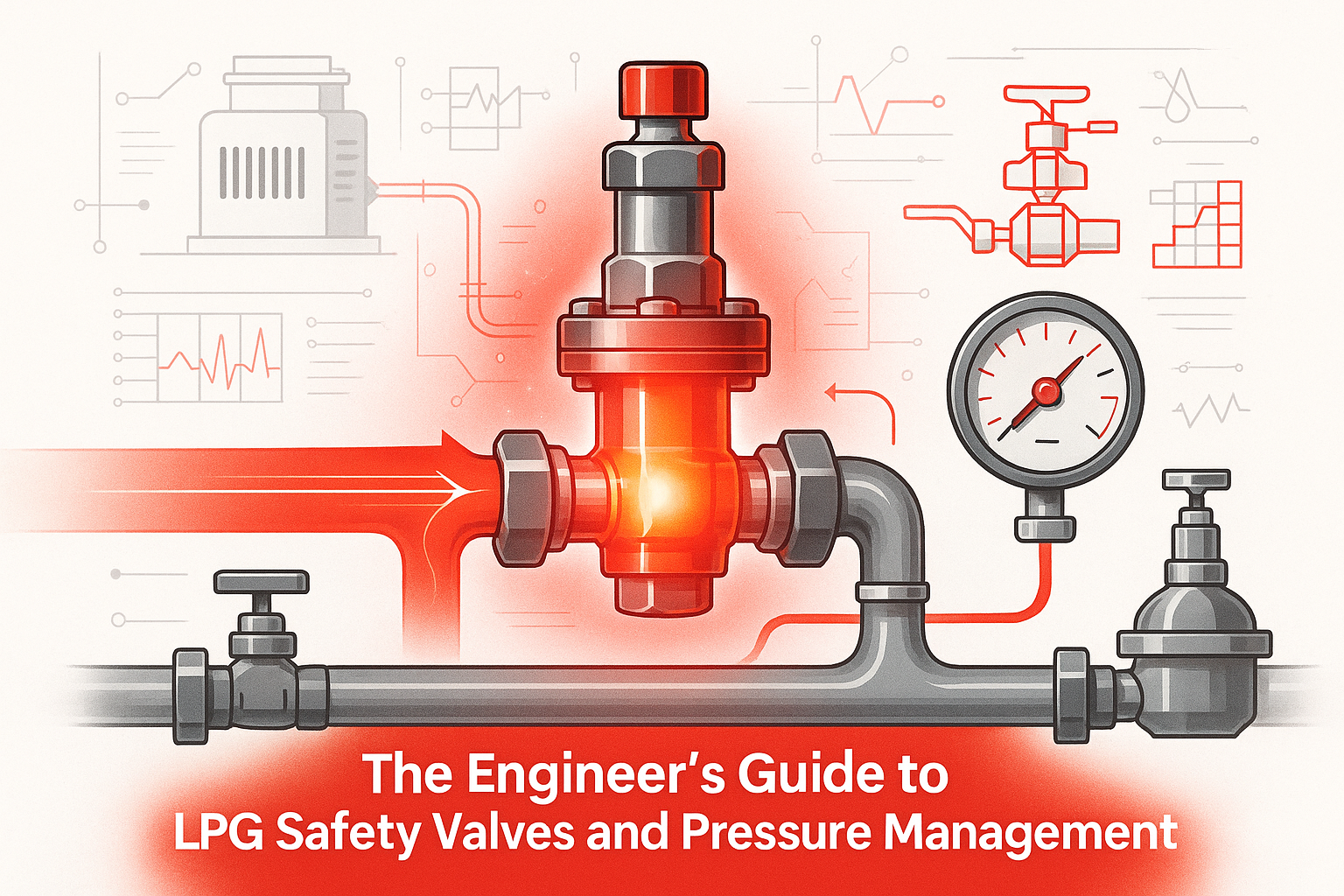
Regulators ensure that pressure remains steady as the gas moves from storage to machinery. In winter, pressure variations increase, making high-quality regulators essential to avoid equipment stress or flame instability. Valves must remain responsive and airtight even when exposed to cold winds, preventing leaks and maintaining operational safety.
Filters become particularly important because impurities can freeze or thicken in low temperatures, impacting flow. Thermostats help maintain temperature control within vaporizers and pipeline systems so that gas supply remains smooth.
Industries also rely on precision measuring tools like Gas Flow Meters (https://indus3.pk/product-category/lpg-accessories/lpg-flow-meter/) to track consumption accurately during winter. These devices ensure that supply fluctuations are identified early and help facilities plan fuel usage more effectively.
Together, these accessories strengthen the entire LPG supply chain winter Pakistan, helping industries stay active even during severe cold spells.
Best Practices for Pressurised LPG Equipment
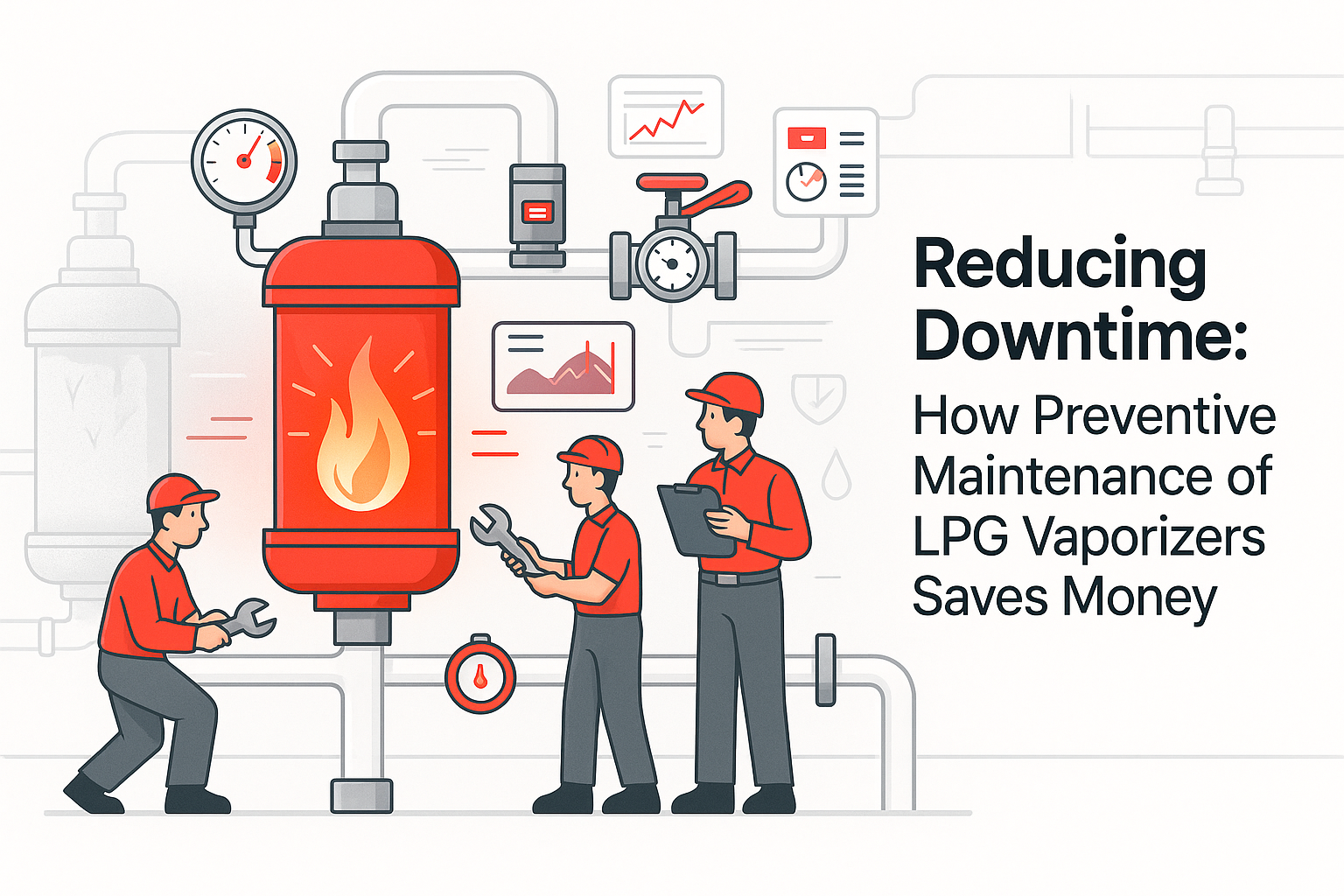
Managing LPG in industrial environments requires strict adherence to safety and performance practices—especially during winter. Regular inspection of pressure lines, joints, and valves prevents leaks, which are more likely when metal contracts in low temperatures. Ensuring that vaporizers are installed correctly and serviced annually keeps pressure flow consistent and prevents equipment overheating or freezing.
Industries should place cylinders or bulk tanks away from extreme cold zones. Even minor improvements to insulation can protect against excessive cooling and improve vaporisation efficiency. A winter readiness routine—checking regulator health, testing pressure gauges, cleaning burners, and verifying thermostat calibration—significantly reduces operational disruptions.
External engineering journals emphasise that pressurised LPG systems operate safest when supported by high-quality components, structured maintenance, and environmental temperature control. With proper winter preparation, Pakistani industries can avoid productivity losses and operate continuously, even in extreme conditions.
LPG Price Surge in Winter: What Drives the Cost Up?
Every year, as temperatures fall across the country, families and businesses face a familiar burden—rising LPG prices. The cost of LPG in winter Pakistan increases sharply between December and February, creating financial pressure on households that rely on cylinders for cooking and heating. Understanding what drives these price fluctuations helps consumers prepare better and manage their usage more efficiently.
Why LPG Prices Rise in Peak Winter Months
The primary driver behind the LPG price surge winter Pakistan is seasonal demand. As natural gas pressure drops in major cities, households shift to LPG as their backup energy source. This sudden spike in consumer need pushes distributors and private suppliers to secure more stock, naturally increasing market prices.
Cold weather affects LPG supply at multiple points—slower cylinder turnover, reduced vaporisation, and limited transportation all contribute to restricted availability. When supply tightens and demand rises simultaneously, prices climb quickly.
Another factor is stockpiling. Many households buy cylinders in advance, sometimes multiple units at once, fearing shortages. This behaviour strains supply and fuels temporary market spikes.
Retail markets, especially in northern and remote regions, experience the fastest price escalation. In areas like Murree, Gilgit, Hunza, Quetta, and Swat, cylinder prices often rise far above OGRA’s recommended rates during peak winter months. Media reports from Dawn and OGRA pricing updates confirm this pattern almost every winter season.
Role of Imports, Transportation, and Exchange Rates
A significant portion of Pakistan’s LPG supply comes from international markets, particularly the Middle East. In winter, global demand increases as countries in colder climates consume more LPG for heating. This pushes up international LPG benchmark prices, directly impacting LPG cylinder price hike in winter Pakistan.
Exchange rates further complicate the situation. Even a small depreciation of the Pakistani rupee makes imported LPG more expensive. Importers must cover higher procurement costs, which then trickle down into local retail markets.
Transportation also plays a major role. Winter slows down distribution routes across KP, Gilgit Baltistan, Azad Kashmir, and Balochistan. Snow-covered roads, fog delays, and limited nighttime movement extend delivery times, causing temporary shortages that influence local pricing.
Local logistics add another layer of complexity. Since LPG needs careful handling and regulated equipment, disruptions or bottlenecks in the supply chain—such as limited transport fleet or port congestion—can impact availability. These conditions create a ripple effect that reaches even large urban centres like Lahore, Karachi, and Islamabad.
Finally, the black market intensifies price inflation. In areas where legitimate dealers run out of stock, illegal refilling outlets step in, selling cylinders at double or even triple the market price. This unregulated activity creates a parallel economy that heavily influences winter price hikes.
How to Manage LPG Costs at Home
While families cannot control global price shifts, they can manage consumption more intelligently during winter. Simple habits can make a meaningful difference.
For efficient cooking, use cookware with lids to retain heat, clean stove burners regularly, and keep flame size moderate rather than full blast. Avoid leaving appliances running unnecessarily, and utilise residual heat for finishing meals.
Plan early by checking your cylinder levels before peak winter begins. Buying during mild temperature weeks reduces the risk of overpaying during high-demand periods. However, avoid unnecessary hoarding—it increases community-level shortages and fuels price volatility.
Regularly inspect your LPG setup for leaks, faulty hoses, or inefficient regulators. Worn-out equipment increases gas wastage and drives up consumption. Investing in high-quality accessories can reduce long-term fuel costs.
Explore winter-ready products and safety equipment available through the Indus 3 Homepage (https://indus3.pk/) and their Shop page (https://indus3.pk/shop-page/), where certified LPG accessories can help improve efficiency and minimise wastage.
Safety First: LPG Precautions Every Pakistani Household Must Follow in Winter
When the winter chill sets in, the need for safe, dependable heating increases across the country. As families rely more heavily on LPG stoves, geysers, and portable heaters, safety becomes just as important as comfort. The seasonal behaviour of LPG in winter Pakistan—from pressure drops to slower vaporisation—makes it essential for households to adopt stronger precautions. With proper handling and the right equipment, you can keep your home warm without compromising safety.
Winter-Specific LPG Safety Tips
Cold weather increases the risk of gas-related incidents because low temperatures affect both equipment performance and user behaviour. One of the most important LPG safety precautions winter Pakistan households should follow is ensuring proper ventilation. Whether you’re cooking indoors or using an LPG heater, make sure there’s fresh airflow to prevent gas buildup. Never use an LPG stove as a room heater—this is extremely dangerous and a common cause of winter accidents.
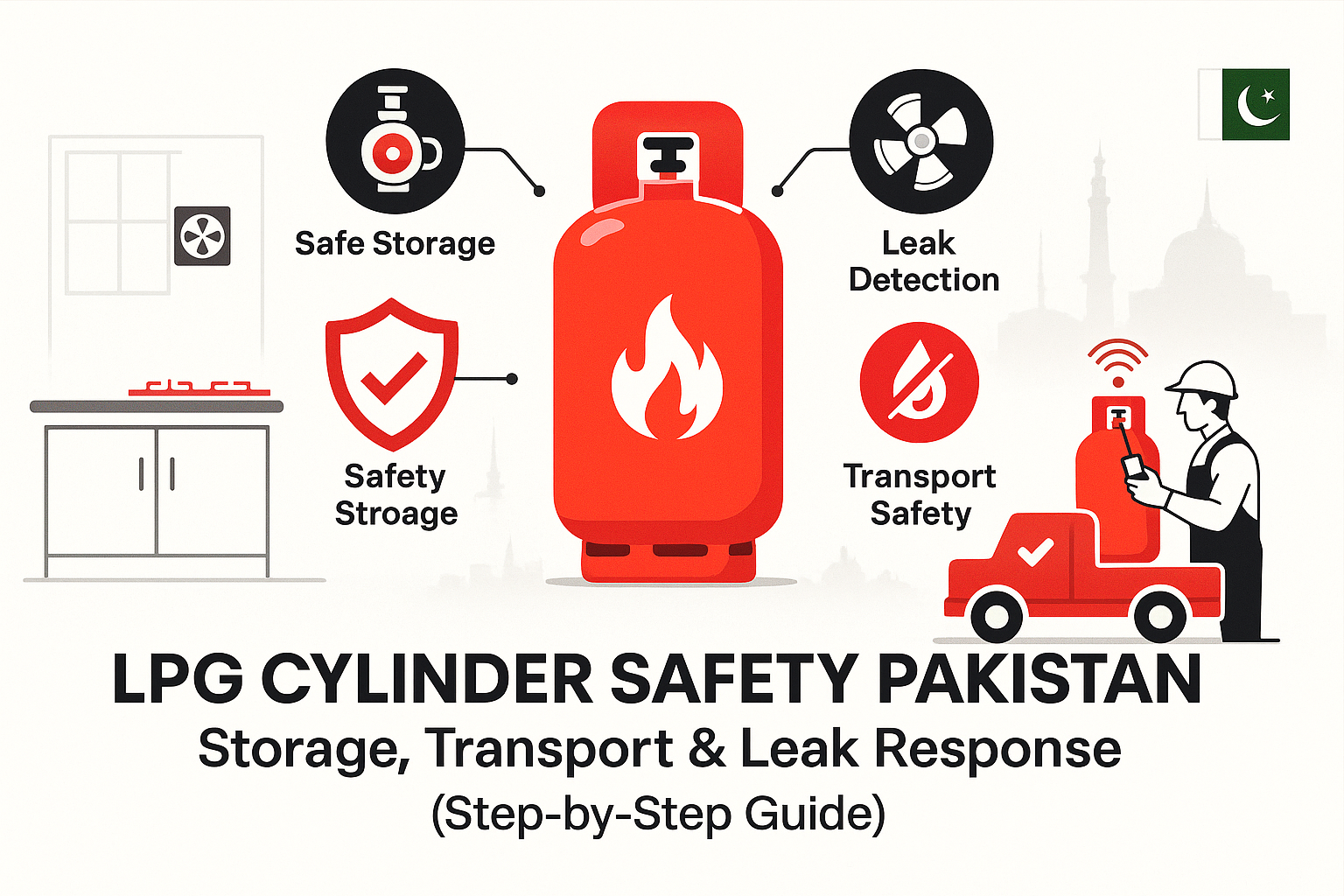
Check your cylinder placement frequently. Keep it upright and stable on a dry surface, away from direct cold winds. Cylinders stored outdoors should never be exposed to rain or snow, as moisture accelerates corrosion and increases the chance of leakage. When replacing a cylinder, ensure the regulator clicks securely and listen for any hissing sounds before operation.
Avoid lighting matches or turning on electrical switches if you suspect a leak. Instead, keep windows open, close the regulator, and contact a professional immediately. Following international safety standards such as NFPA LPG guidelines can significantly reduce household risk.
Avoiding Cylinder Freezing and Regulator Failure
Winter temperatures make cylinders cold, slow down vaporisation, and increase the chances of frost formation. However, many users rely on unsafe shortcuts—like heating the cylinder directly—to speed up pressure recovery. This should never be done. Direct heating weakens the cylinder wall and may cause catastrophic failure.
Instead, move the cylinder to a sheltered corner of your kitchen, where it remains warmer and protected. When possible, store cylinders slightly above the floor, since cold concrete absorbs heat quickly and accelerates freezing.
Regulator failure is another common winter problem. Extreme temperatures make cheap or damaged regulators stiff and inefficient, leading to weak flame, gas leakage, or sudden shutdowns. If you notice inconsistent flame behaviour, backfiring, or difficulty attaching the regulator, it’s time to replace it.
Preventive maintenance goes a long way during winter. Inspect valves, hoses, and connectors for cracks or wear. Ensure the hose isn’t bent or compressed, as this restricts gas flow and makes winter pressure problems worse. A leaking valve or faulty regulator isn’t just inconvenient—it’s a life-threatening hazard.
Essential Equipment for Safe Winter LPG Use
Using reliable, certified accessories dramatically improves LPG safety in winter. High-quality safety valves, regulators, anti-leak devices, and fire-stop equipment ensure stable pressure and secure operation during cold spells. Investing in proper equipment reduces risk and helps maintain consistent performance even when temperatures drop.
Households using LPG heaters should choose certified products that follow local safety standards. Poor-quality heaters burn inefficiently, create carbon monoxide buildup, and often lack flame protection features. For reliable, winter-ready heating options, explore LPG Heaters at Indus 3 (https://indus3.pk/product-category/lpg-accessories/lpg-heater/).
Similarly, using proper safety devices protects both your home and family. From leakage detectors to safety regulators, modern accessories significantly reduce accident risks. You can browse certified LPG Safety Devices (https://indus3.pk/product-category/lpg-accessories/lpg-safety/) to strengthen your setup.
Avoid purchasing cylinders or accessories from unlicensed sellers, especially the black market. Illegally refilled cylinders may use damaged containers, contaminated gas, or faulty valves—major hazards in winter conditions. Always verify that seals, valves, and markings are intact.
Preparing for Winter: Smart Ways to Avoid Gas Issues and Ensure a Stable LPG Supply
Winter in Pakistan brings its own set of energy challenges, from low natural gas pressure to increased dependence on LPG. As the temperature drops and demand rises, households and industries often struggle to maintain consistent flame strength, reliable heating, and a steady fuel supply. Bringing together everything discussed so far, this section explains how to prepare effectively, manage your setup wisely, and stay safe—all while ensuring you get the most out of LPG in winter Pakistan.
How to Plan Ahead for LPG Shortages
The key to avoiding disruptions is early planning. With increased consumption across the country, shortages tend to appear suddenly, particularly during severe cold spells. Understanding how to prepare for LPG shortage this winter Pakistan begins with monitoring your current consumption patterns and stocking up responsibly before peak demand begins.
Avoid last-minute cylinder purchases, as prices tend to spike when the market tightens. If your area experiences frequent delays, consider maintaining a backup cylinder—stored safely and legally—to prevent unnecessary stress during high-demand weeks. Stay informed by following OGRA announcements or local energy updates from reliable sources like Dawn, which regularly reports on winter gas availability.
For regions highly affected by snowfall or road closures, placing orders ahead of time ensures your supplier can deliver before transportation becomes limited. Avoid panic buying or hoarding more cylinders than necessary, as this can worsen community-level shortages.
Best Practices to Ensure Stable Flame and Pressure All Winter
Winter maintenance makes all the difference in keeping your flame strong. Start by checking your equipment—regulators, hoses, valves, and burners—to ensure they’re in good condition. Minor leaks or worn-out parts become more problematic during colder months as pressure fluctuates more frequently.
Place your cylinder in a warmer, sheltered section of the kitchen to reduce temperature loss. Avoid exposing it directly to cold winds or placing it on cold concrete floors. A slightly warmer ambient temperature significantly improves vaporisation and prevents poor flame performance.
Keep burners clean and use cookware that retains heat efficiently, as this reduces fuel consumption and ensures better heating performance. Small energy-saving habits—covering pots, lowering flame settings, and avoiding unnecessary heating—help stretch your fuel, improving overall efficiency.
These practical steps ensure that your LPG setup stays dependable and safe throughout winter, even during peak usage.
Choosing Reliable LPG Equipment for Pakistani Winters
In colder months, the right LPG equipment becomes essential rather than optional. Using certified accessories ensures stable pressure, efficient vaporisation, and consistent flame quality. High-quality regulators, safety valves, thermostats, vaporizers, and heaters can drastically improve performance during winter.
Investing in a vaporizer, for example, can help industrial users maintain steady vapour flow regardless of outdoor temperatures. For households, choosing quality regulators and safety devices reduces the risk of leakage, backfiring, or abrupt shutdowns.
When selecting heating appliances, opt for devices that comply with recognised safety standards to reduce carbon monoxide risks and ensure dependable performance in harsh weather. Indus 3 provides a wide range of certified equipment specifically suited for winter conditions, giving users confidence in both safety and longevity.
You can learn more about the company’s expertise and range of solutions through the About page (https://indus3.pk/about-us/). For winter-ready products, explore the Shop (https://indus3.pk/shop-page/), or reach out for guidance via the Contact page (https://indus3.pk/contact/).
External safety resources such as the NFPA LPG guidelines also provide valuable recommendations for safer usage and equipment handling during winter.
Your Winter-Ready LPG Partner — Choose Indus 3
As winter approaches, staying prepared isn’t just about keeping warm—it’s about ensuring safety, reliability, and efficiency. Whether you’re managing a household or running an industrial operation, having the right LPG setup makes all the difference.
Indus 3 is committed to supporting homes and businesses across Pakistan with:
-
Reliable industrial and domestic LPG equipment built for cold-weather performance
-
Winter-ready vaporizers, regulators, valves, heaters, and safety devices
-
Expert guidance on efficient, safe LPG usage tailored to local conditions
If you want to avoid winter gas issues, reduce risk, and maintain steady flame control all season long, Indus 3 is here to help. Explore our winter-proven products today and keep your home or facility running smoothly, safely, and efficiently—no matter how cold it gets.