Click on the Edit Content button to edit/add the content.

вавада оф сайт

вавада оф сайт

вавада оф сайт — это популярная онлайн-платформа для азартных игр, которая привлекает внимание игроков благодаря широкому выбору игр и щедрым бонусам. В этой статье мы рассмотрим, что предлагает данный сайт, его ключевые особенности и как начать игру. Если вы ищете информацию о вавада оф сайт, то здесь вы найдете все необходимое для начала.

Основные особенности вавада оф сайт

Вавада оф сайт предлагает уникальный опыт для игроков, желающих насладиться азартными играми. Вот несколько ключевых особенностей:

  • Широкий выбор игр: слоты, настольные игры и live-казино.
  • Простота регистрации и использования платформы.
  • Разнообразные бонусы и акции для новых и постоянных игроков.

Как начать играть на вавада оф сайт

Чтобы начать играть на вавада оф сайт, необходимо пройти несколько простых шагов. Следуйте этому пошаговому руководству:

  1. Перейдите на сайт вавада.
  2. Зарегистрируйтесь, указав свои данные.
  3. Пополните счет, выбрав удобный метод оплаты.
  4. Выберите игру и начните свой игровой путь!

Таблица популярных игр на вавада оф сайт

Название игры Тип игры Минимальная ставка
Book of Ra Слот 10 руб.
Рулетка Настольная игра 50 руб.
Блэкджек Настольная игра 20 руб.

Вавада оф сайт — это отличное место для игр, где каждый найдет что-то по своему вкусу.

Заключение: Вавада оф сайт предоставляет игрокам множество возможностей для развлечений и выигрышей. Не упустите шанс попробовать свои силы и наслаждаться увлекательными играми!

вавада казино рабочее зеркало

вавада казино рабочее зеркало

В онлайн-гемблинге важным аспектом является доступность платформы для игроков. В этом контексте рабочее зеркало вавада казино становится настоящей находкой. Зеркала позволяют обходить блокировки и обеспечивают стабильный доступ к игровым автоматам и другим развлечениям. В данной статье мы рассмотрим, что такое рабочее зеркало, как его использовать и какие преимущества оно предлагает для пользователей vavada казино.

Что такое рабочее зеркало вавада казино?

Рабочее зеркало вавада казино — это альтернативный адрес сайта, который позволяет игрокам получить доступ к казино, даже если основной ресурс заблокирован. Эти зеркала создаются для обеспечения бесперебойной работы платформы и защиты прав пользователей.

Зеркала могут отличаться по своему адресу, но функционал остается тем же. Игроки могут продолжать наслаждаться всеми играми и услугами, которые предлагает казино.

Преимущества использования рабочего зеркала

Использование рабочего зеркала имеет множество преимуществ, включая:

  • Доступность: возможность играть в любое время, даже в случае блокировок.
  • Безопасность: зеркала обеспечивают защиту личных данных игроков.
  • Удобство: простота в использовании и доступ к всем функциям казино.

Как найти рабочее зеркало вавада казино?

Существует несколько способов поиска актуального зеркала:

  1. Посетите официальные страницы в социальных сетях казино.
  2. Следите за новостями на специализированных форумах.
  3. Используйте проверенные сайты-агрегаторы ссылок.

Таблица: Сравнение основных преимуществ и недостатков рабочего зеркала

Преимущества Недостатки
Постоянный доступ к казино Может быть риск использования ненадежных ресурсов
Защита персональных данных Не всегда обновляется информация о зеркалах
Удобный интерфейс Некоторые зеркала могут иметь ограниченные функции

Рабочее зеркало — это ваш ключ к беспрепятственному игровому процессу в вавада казино.

vavada casino скачать бесплатно на телефон

vavada casino скачать бесплатно на телефон

Скачивание приложений для азартных игр становится всё более популярным, и многие игроки ищут возможность vavada casino скачать бесплатно на телефон. Это позволяет наслаждаться любимыми играми в любое время и в любом месте. Если вы заинтересованы в этой теме, то в данной статье мы рассмотрим, как можно скачать приложение, его преимущества и особенности. Для начала, давайте разберёмся, что такое казино вавада вавада.

Что такое Vavada Casino?

Vavada Casino — это онлайн-платформа, предлагающая широкий выбор азартных игр, включая слоты, настольные игры и живое казино. Она привлекает игроков благодаря разнообразным бонусам и удобству использования. Платформа доступна как в браузере, так и в виде мобильного приложения.

Казино имеет хорошую репутацию среди игроков благодаря своей лицензии и высокому уровню безопасности. Это обеспечивает защиту личных данных и финансовых транзакций.

Преимущества мобильного приложения Vavada

Скачивание приложения Vavada Casino на телефон имеет несколько значительных преимуществ:

  • Удобный интерфейс
  • Доступ к акциям и бонусам
  • Быстрый доступ к играм
  • Поддержка различных платежных систем

Мобильное приложение позволяет игрокам не только играть в любимые игры, но и получать уведомления о новых акциях и бонусах, что делает игровой процесс ещё более увлекательным.

Как скачать Vavada Casino на телефон

Чтобы скачать приложение Vavada Casino, следуйте простым шагам:

  1. Перейдите на официальный сайт Vavada Casino.
  2. Найдите раздел с мобильным приложением.
  3. Выберите версию для вашего устройства (Android или iOS).
  4. Скачайте APK-файл или перейдите в App Store для установки.
  5. Установите приложение, следуя инструкциям на экране.

После установки вы сможете войти в свой аккаунт или зарегистрироваться, если вы новый пользователь.

Сравнение мобильного приложения и веб-версии

Особенность Мобильное приложение Веб-версия
Доступность Круглосуточно, без необходимости в браузере Требует интернет-браузера
Интерфейс Оптимизирован для мобильных устройств Стандартный веб-интерфейс
Производительность Чаще всего быстрее и стабильнее Зависит от качества интернет-соединения

Как видно из таблицы, мобильное приложение Vavada предлагает множество преимуществ, которые делают его отличным выбором для азартных игр на ходу.

vavada казино официальный

vavada казино официальный

В современном мире азартные игры становятся все более популярными, и онлайн-казино не исключение. Одним из наиболее известных игроков на этом рынке является Vavada. Это казино предлагает своим пользователям широкий спектр развлечений, включая слоты, настольные игры и живое казино. В этой статье мы подробно рассмотрим, что предлагает vavada казино официальный, его особенности и преимущества vavada казино официальный.

Преимущества Vavada казино

Vavada казино привлекает игроков благодаря множеству преимуществ, которые делают его популярным выбором среди любителей азартных игр. Вот некоторые из них:

  • Широкий выбор игр от ведущих разработчиков.
  • Привлекательные бонусы и акции для новых и постоянных клиентов.
  • Удобный интерфейс и мобильная версия сайта.

Регистрация и верификация аккаунта

Чтобы начать играть в Vavada, необходимо пройти процесс регистрации. Он включает несколько простых шагов:

  1. Заполните регистрационную форму с указанием личных данных.
  2. Подтвердите свою электронную почту или номер телефона.
  3. Пройдите верификацию, загрузив необходимые документы.

После завершения этих шагов игрок получит доступ ко всем игровым функциям казино.

Игровые автоматы и настольные игры

Vavada предлагает разнообразие игровых автоматов и настольных игр, что делает его игровую библиотеку одной из самых полных. Ниже представлена таблица с некоторыми популярными играми:

Тип игры Название Процент возврата
Слот Book of Ra 95.10%
Настольная Рулетка 97.30%
Слот Starburst 96.10%

Каждая игра имеет свои уникальные особенности и правила, что позволяет игрокам выбрать то, что им больше нравится.

vavada казино онлайн зеркало

vavada казино онлайн зеркало

В последние годы онлайн-казино стали неотъемлемой частью развлекательной индустрии. Одним из популярных сайтов является Vavada, который предлагает своим пользователям широкий выбор азартных игр. Однако, как и многие другие казино, Vavada сталкивается с блокировками в разных странах. В этой статье мы рассмотрим, что такое vavada казино онлайн зеркало и как его использовать для доступа к любимым играм vavada казино онлайн зеркало.

Что такое зеркало казино Vavada?

Зеркало казино Vavada — это альтернативный адрес, который позволяет игрокам обходить блокировки основного сайта. Обычно зеркала имеют тот же интерфейс и функционал, что и основной ресурс, что делает их удобными для пользователей.

Использование зеркала позволяет не только оставаться в курсе всех акций и новинок, но и продолжать играть в любимые игры без каких-либо прерываний.

Как найти и использовать зеркало Vavada?

Существует несколько способов найти актуальное зеркало Vavada:

  • Посетить официальные страницы казино в социальных сетях.
  • Подписаться на рассылку новостей от казино.
  • Проверить специализированные форумы и сайты, посвященные азартным играм.

После того как вы нашли рабочее зеркало, доступ к казино осуществляется следующим образом:

  1. Перейдите по ссылке на зеркало.
  2. Зарегистрируйтесь или войдите в свой аккаунт.
  3. Начните играть в любимые игры.

Преимущества использования зеркала Vavada

Зеркало казино Vavada предлагает множество преимуществ для своих пользователей:

Преимущество Описание
Доступность Пользователи могут получать доступ к сайту даже при блокировках.
Тот же функционал Зеркало полностью дублирует все функции основного сайта.
Безопасность Использование официальных зеркал обеспечивает защиту данных пользователей.

Важно! Всегда используйте проверенные источники для поиска зеркал, чтобы избежать мошенничества.

vavada zerkalo

vavada zerkalo

Виртуальные казино становятся всё более популярными, и одним из таких платформ является Vavada. Чтобы обеспечить доступ к своим услугам, Vavada использует зеркала, которые помогают игрокам обходить блокировки. В этой статье мы рассмотрим, что такое vavada zerkalo, как его использовать и какие преимущества оно предоставляет. vavada zerkalo

Что такое Vavada Zerkalo?

Vavada zerkalo — это альтернативный адрес сайта казино Vavada, который используется для обхода блокировок. Зеркала создаются для того, чтобы игроки могли продолжать наслаждаться играми и услугами даже в случае, если основной сайт недоступен.

Основные функции зеркал включают:

  • Обеспечение стабильного доступа к сайтам казино.
  • Защита личных данных пользователей.
  • Обновление информации о бонусах и акциях.

Как пользоваться зеркалом Vavada?

Пользоваться зеркалом Vavada просто. Следуйте следующим шагам:

  1. Найдите актуальное зеркало казино Vavada.
  2. Перейдите по ссылке на зеркало.
  3. Зарегистрируйтесь или войдите в свой аккаунт.
  4. Начните играть в любимые игры!

Преимущества использования Vavada Zerkalo

Использование зеркала Vavada имеет множество преимуществ:

Преимущество Описание
Доступность Пользователи могут получить доступ к сайту даже при блокировках.
Безопасность Зеркала обеспечивают защиту данных и конфиденциальность.
Актуальные акции Зеркала предоставляют информацию о новых бонусах и предложениях.

Использование зеркала Vavada позволяет игрокам оставаться в игре, даже если основной сайт недоступен.

вавада бонусы на сегодня

вавада бонусы на сегодня

В последние годы онлайн-гемблинг стал невероятно популярным, и многие игроки ищут лучшие предложения и бонусы для увеличения своих шансов на выигрыш. В этом контексте внимание привлекают вавада бонусы на сегодня, которые могут существенно улучшить игровой опыт. Эти предложения могут варьироваться от приветственных бонусов до акций для постоянных клиентов, предоставляя игрокам множество возможностей для выигрыша. вавада бонусы на сегодня

Что такое вавада бонусы?

Вавада бонусы — это специальные предложения, которые предоставляются игрокам в онлайн-казино Вавада. Они могут включать в себя различные виды вознаграждений, которые помогают пользователям увеличить свои шансы на выигрыш. Бонусы могут быть как временными, так и постоянными, и их условия могут варьироваться.

Основные типы вавада бонусов включают:

  • Приветственные бонусы для новых игроков
  • Бездепозитные бонусы
  • Бонусы на депозит
  • Кэшбэк и бонусы за лояльность

Как получить вавада бонусы на сегодня?

Чтобы воспользоваться вавада бонусами, игроки должны выполнить несколько простых шагов. Обычно процесс получения бонусов включает:

  1. Регистрацию на сайте Вавада
  2. Подтверждение аккаунта
  3. Внесение депозита (если это необходимо для конкретного бонуса)
  4. Активирование бонуса через личный кабинет

Текущие вавада бонусы и акции

На данный момент Вавада предлагает несколько интересных бонусов, которые могут привлечь новых игроков. Рассмотрим некоторые из них в таблице ниже:

Тип бонуса Размер бонуса Условия
Приветственный бонус 100% до 10000 рублей На первый депозит
Бездепозитный бонус 500 рублей При регистрации
Кэшбэк 10% Еженедельно по понедельникам

Эти предложения делают игру более увлекательной и финансово выгодной для игроков.

как зайти на вавада

как зайти на вавада

В современном мире азартных игр онлайн-казино становятся всё более популярными. Одним из таких казино является Вавада, известное своим широким выбором игр и привлекательными бонусами. Многие новички задаются вопросом, как зайти на вавада, чтобы начать игру. В этой статье мы подробно рассмотрим доступ к сайту, регистрацию и возможные проблемы с входом.

Как зарегистрироваться на сайте Вавада

Прежде чем начать играть, необходимо пройти процесс регистрации. Он довольно прост и включает несколько шагов:

  1. Перейдите на официальный сайт Вавада.
  2. Нажмите на кнопку «Регистрация» в правом верхнем углу.
  3. Заполните форму, указав свои данные (имя, адрес электронной почты и т.д.).
  4. Подтвердите регистрацию через электронную почту.

После успешной регистрации вы сможете войти в свой аккаунт и начать игру.

Способы входа в аккаунт

Вход в аккаунт на Вавада можно осуществить несколькими способами. Рассмотрим основные из них:

  • Через сайт Вавада — просто введите логин и пароль.
  • С помощью мобильного приложения — удобно для игроков на ходу.
  • Используя альтернативные ссылки — если основной сайт недоступен.

Важно помнить, что для успешного входа необходимо иметь корректные данные для доступа.

Проблемы с входом и их решение

Иногда у пользователей возникают трудности с входом в аккаунт. Рассмотрим наиболее распространенные проблемы и их решения:

Проблема Решение
Забыл пароль Используйте функцию восстановления пароля.
Не получается зайти с мобильного устройства Проверьте подключение к интернету и обновите приложение.
Сайт недоступен Попробуйте воспользоваться альтернативной ссылкой.

Если ни одно из предложенных решений не помогло, стоит обратиться в службу поддержки Вавада.

Помните, что азартные игры могут вызывать зависимость. Играйте ответственно!

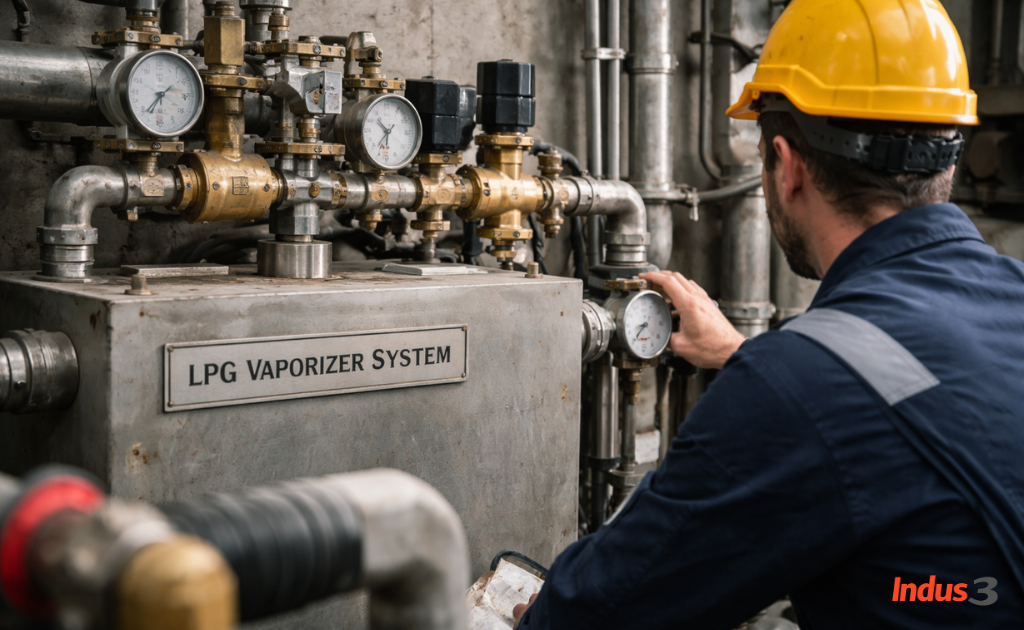
LPG Vaporizer Troubleshooting: Valve and Pressure Issues

Industrial LPG vaporizer troubleshooting showing technician inspecting pressure gauges and valves

Understanding LPG Vaporizer Failures in Industrial Systems

In industrial gas systems, consistent vapour supply is not optional. It is the foundation of stable combustion, efficient energy use, and safe plant operation. When vaporizers begin to fail, the issue rarely appears suddenly. It builds quietly through pressure imbalance, temperature variation, or component degradation. That is why LPG vaporizer troubleshooting must always begin with a clear understanding of how and why these failures occur in real operating environments.

At a system level, an LPG vaporizer is responsible for converting liquid LPG into a controlled gaseous state. This process depends on heat transfer, pressure regulation, and uninterrupted flow. Any disruption in these variables introduces instability across the entire gas system. For a detailed breakdown of system fundamentals, refer to how LPG vaporizers work and the industrial LPG vaporizer working principle.

In practical industrial settings such as food processing plants, textile units, and poultry operations, vaporizers operate under fluctuating demand. Peak loads, seasonal temperature shifts, and inconsistent LPG quality can all influence performance. These variables make industrial LPG vaporizer troubleshooting more complex than a simple mechanical inspection. It requires system-level thinking.

One of the most overlooked aspects of vaporizer failure is the relationship between upstream supply and downstream demand. If LPG supply pressure drops or becomes unstable, the vaporizer struggles to maintain proper output. Similarly, excessive demand from burners or process equipment can push the vaporizer beyond its design capacity. This mismatch often leads to symptoms such as pressure fluctuation, inconsistent gas supply, or complete shutdown.

Another common failure pathway involves heat transfer inefficiency. In water bath vaporizers, inadequate heating or poor circulation can reduce vaporisation efficiency. In direct fired systems, burner issues or fuel imbalance can compromise performance. These conditions gradually lead to LPG vaporizer problems such as icing, low pressure output, or delayed start-up.

Environmental conditions also play a critical role. In colder regions or during winter months in Pakistan, ambient temperature directly affects LPG vaporisation. When external heat is insufficient, vaporizers may experience freezing or frost formation. This is not just a surface issue. It signals that the system is unable to sustain the required heat input for phase conversion. According to Engineering Toolbox, LPG vaporisation rates drop significantly as temperature decreases, which reinforces the need for proper system sizing and thermal management.

Component-level failures further contribute to system instability. Valves, regulators, and control elements operate together as a coordinated network. A minor fault in one component can trigger cascading effects. For example, a partially blocked line or faulty valve may restrict flow, leading to pressure imbalance across the system. Over time, this results in LPG vaporizer failure causes that are difficult to trace without proper diagnostics.

It is also important to recognise that not all failures are mechanical. Operational practices often influence system reliability. Irregular maintenance, improper installation, and lack of monitoring can accelerate wear and reduce efficiency. Many cases of LPG vaporizer downtime issues originate from preventable factors rather than equipment defects.

Different vaporizer types respond differently to these challenges. Electric vaporizers depend heavily on stable power supply and heating elements, while water bath systems rely on thermal consistency. Direct fired vaporizers introduce combustion variables that must be carefully managed. A comparative understanding of these systems can be explored in the LPG vaporizer types comparison.

From a diagnostics perspective, early detection is critical. Subtle changes such as delayed ignition, minor pressure drops, or irregular burner performance often indicate deeper system issues. These signals should never be ignored. Effective LPG vaporizer system diagnostics requires continuous observation, not just reactive maintenance.

Ultimately, LPG vaporizer failures are rarely isolated events. They are the result of interacting variables across the system. Pressure, temperature, flow, and component integrity must all align for stable operation. When one element shifts, the entire system responds.

Understanding these interconnected dynamics is the first step towards effective troubleshooting. Without this foundation, even the most advanced repair efforts remain temporary solutions rather than long-term fixes.

Common LPG Vaporizer Problems and Early Warning Signs

In most industrial environments, LPG vaporizers do not fail without warning. The system usually provides clear signals before a complete breakdown occurs. The challenge is not the absence of symptoms, but the failure to recognise them early. This is where effective LPG vaporizer troubleshooting begins to shift from reactive repair to proactive diagnosis.

Operators often encounter situations where the LPG vaporizer is not working as expected, yet the issue appears intermittent. These early-stage faults are frequently misinterpreted as minor fluctuations rather than indicators of deeper system imbalance. A structured understanding of common faults helps bridge this gap.

One of the most noticeable early signs is inconsistent gas supply. Burners may show unstable flames, fluctuating intensity, or delayed ignition. This typically points towards a developing LPG vaporizer gas flow problem. The root cause may lie in restricted flow, pressure imbalance, or partial blockage within the system.

Another common symptom is difficulty during start-up. When an LPG vaporizer is not starting, the issue may not always be electrical. In many industrial cases, insufficient pressure build-up or improper vaporisation prevents the system from initiating correctly. This is particularly evident in cold environments where vaporisation rates are naturally reduced.

Flow restriction is another critical indicator. Over time, deposits, contaminants, or moisture can accumulate within pipelines and internal components. These lead to LPG vaporizer blockage symptoms such as reduced output, pressure drops, and uneven gas delivery. In severe cases, the system may appear operational but fails to meet process demand.

Pressure instability is often one of the earliest measurable warning signs. Operators may notice gauges fluctuating without a clear pattern. This is not just a calibration issue. It often signals internal imbalance between supply and consumption. Without timely intervention, this can escalate into full-scale LPG vaporizer problems affecting the entire gas system.

Thermal irregularities also provide valuable insight. In water bath vaporizers, uneven heating or temperature drop within the bath can reduce vaporisation efficiency. In direct fired systems, inconsistent burner performance may indicate combustion inefficiency. These conditions gradually impact output stability and lead to operational disruptions.

Frost formation on the vaporizer body or associated piping is another critical warning sign. While it may appear harmless initially, it reflects inadequate heat transfer during vaporisation. Over time, this condition can worsen and lead to severe performance degradation. For deeper understanding of such conditions, refer to LPG vaporizer issues diagnosis, which outlines practical fault scenarios observed in industrial systems.

In some cases, operators report that the system is running but output is significantly lower than expected. This often leads to misdiagnosis, where the vaporizer is blamed without considering system-wide factors. However, reduced efficiency is frequently linked to maintenance gaps. A structured approach to upkeep is essential, as explained in LPG vaporizer maintenance.

Another overlooked signal is increased fuel consumption without proportional output. When vaporizers operate inefficiently, more LPG is required to achieve the same process results. This not only increases operational cost but also indicates underlying inefficiencies within the system. Monitoring consumption patterns using tools like the LPG consumption calculator Pakistan can help identify such deviations early.

From an operational standpoint, timing is critical. Many of these warning signs appear gradually and may not disrupt production immediately. However, ignoring them often leads to sudden system failure during peak demand. This results in unplanned downtime, which is far more costly than preventive intervention.

It is also important to understand that these symptoms rarely exist in isolation. A pressure fluctuation may coincide with flow restriction. A start-up issue may be linked with temperature imbalance. Effective LPG vaporizer troubleshooting guide practices require connecting these signals rather than analysing them individually.

International safety frameworks such as OSHA emphasise early hazard identification as a key component of industrial safety. In LPG systems, this principle directly applies to recognising operational irregularities before they escalate into hazardous conditions.

In industrial settings, experience plays a role, but structured observation is far more reliable. Operators should treat every deviation, no matter how small, as a potential indicator of system stress. Consistent monitoring, combined with technical understanding, transforms troubleshooting from guesswork into a disciplined process.

Recognising early warning signs is not just about preventing failure. It is about maintaining system stability, ensuring safety, and protecting long-term operational efficiency.

Solenoid Valve Failures: Root Causes and Diagnostic Approach

Within an LPG vaporizer system, the solenoid valve acts as a critical control point. It regulates gas flow based on electrical signals, ensuring that LPG supply is synchronised with system demand. When this component fails, the impact is immediate and often misinterpreted as a broader system malfunction. Effective LPG vaporizer troubleshooting therefore requires a focused understanding of solenoid valve behaviour.

In many industrial cases, operators first encounter the issue as a complete stoppage. The vaporizer appears active, but gas flow is absent. This is one of the most direct indicators of solenoid malfunction. However, failure is not always binary. Partial opening, delayed response, or intermittent operation can create complex LPG vaporizer gas flow problems that are harder to diagnose.

From a mechanical perspective, contamination is one of the leading causes. LPG systems are not always perfectly clean. Over time, dust, oil residues, or pipeline debris can accumulate within the valve. This restricts internal movement and prevents proper sealing or opening. Such conditions often produce LPG vaporizer blockage symptoms, where flow is reduced rather than completely stopped.

Another common issue is coil failure. The solenoid operates through an electromagnetic coil that opens or closes the valve when energised. If the coil burns out or experiences voltage inconsistency, the valve will fail to actuate. In industrial environments with unstable power supply, this becomes a recurring issue, particularly in electric vaporizer systems.

Heat exposure also contributes to long-term degradation. Vaporizers operate in high-temperature environments, especially in direct fired systems. Continuous exposure can weaken internal seals and insulation within the solenoid assembly. Over time, this leads to delayed response or complete failure. This often presents as LPG vaporizer not working despite apparent system readiness.

Electrical connection faults are another overlooked factor. Loose wiring, corroded terminals, or poor grounding can interrupt signal transmission. In such cases, the solenoid itself may be functional, but the control signal fails to reach it. This highlights the importance of checking both mechanical and electrical aspects during diagnostics.

In some scenarios, the valve may remain stuck in an open position. While this might seem less problematic, it introduces serious safety risks. Uncontrolled gas flow can lead to pressure imbalance, leakage, or hazardous accumulation. Proper valve selection and maintenance are critical, especially when dealing with components such as LPG brass valves Pakistan and LPG safety valves Pakistan, which are designed to operate reliably under industrial conditions.

From a diagnostic standpoint, troubleshooting should follow a structured approach. The first step is to confirm whether the valve is receiving electrical input. This involves checking voltage at the terminals and verifying control signals from the system. If power is present but the valve does not actuate, the issue is likely internal.

The second step involves physical inspection. Technicians should assess whether the valve is blocked, damaged, or showing signs of wear. In many cases, disassembly reveals contamination or internal sticking. This aligns with broader system maintenance practices, as discussed in burner spare parts Pakistan, where component integrity directly affects performance.

Leak detection is also essential during this process. A faulty solenoid may not seal properly, leading to gas leakage even when the system is shut down. Modern diagnostic methods outlined in LPG leak detection technologies provide reliable ways to identify such issues before they escalate into safety hazards.

It is important to recognise that solenoid failure rarely occurs in isolation. It often reflects broader system conditions such as contamination, pressure instability, or poor maintenance practices. Replacing the valve without addressing these underlying factors may result in repeated failures.

Another key consideration is system compatibility. Not all solenoid valves are suitable for every LPG application. Incorrect sizing or specification can lead to operational inefficiency and premature wear. This is particularly relevant in industrial setups where demand varies significantly.

Industry standards such as those outlined by NFPA emphasise the importance of proper component selection, installation, and maintenance in gas systems. These guidelines reinforce the need for a systematic approach rather than reactive replacement.

In practical terms, solenoid valve failures are both a symptom and a cause. They indicate underlying system stress while simultaneously disrupting normal operation. Identifying the root cause requires careful observation, technical understanding, and a methodical diagnostic process.

When approached correctly, solenoid-related issues can be resolved efficiently. More importantly, they can be prevented through proper maintenance, system design, and operational discipline.

Pressure Failure Issues in LPG Vaporizers: Causes and System Impact

Pressure stability sits at the core of every LPG vaporizer system. Without consistent pressure, even a perfectly functioning vaporizer cannot deliver reliable gas output. In industrial environments, pressure-related issues are among the most frequent and complex challenges, making them a central focus of LPG vaporizer troubleshooting.

Unlike mechanical failures that are often visible, pressure problems develop within the system dynamics. They are influenced by multiple variables including supply conditions, vaporizer capacity, regulator performance, and downstream demand. This interconnected nature makes LPG vaporizer pressure problems particularly difficult to isolate without a structured approach.

One of the most common issues is low pressure output. Operators may observe weak burner performance, delayed ignition, or incomplete combustion. While these symptoms may appear at the burner level, the root cause often lies within the vaporizer system. A typical LPG vaporizer low pressure fix begins by analysing whether the system is receiving sufficient liquid LPG supply and whether it is being converted efficiently into vapour.

Supply-side limitations are a frequent cause. If LPG storage pressure drops due to temperature or tank depletion, the vaporizer cannot maintain output pressure. This is especially relevant in colder conditions where LPG vaporisation within the storage tank is naturally reduced. Seasonal factors in Pakistan often amplify this issue, particularly during winter operations.

Regulator performance is another critical factor. Vaporizers do not operate in isolation. They rely on regulators to maintain consistent pressure across the system. A malfunctioning regulator can cause LPG vaporizer pressure fluctuation, leading to unstable gas delivery. In such cases, troubleshooting should extend beyond the vaporizer itself. The industrial LPG regulator guide provides a detailed understanding of how regulators influence system stability.

Freezing within regulators or pipelines can further worsen pressure instability. When LPG expands rapidly, it absorbs heat, causing temperature drop and potential icing. This restricts flow and reduces pressure output. Practical solutions for such conditions are discussed in LPG regulator freezing solutions, which highlight preventive and corrective measures.

Another major contributor to pressure issues is demand imbalance. Industrial systems often experience fluctuating load conditions. When demand exceeds vaporizer capacity, pressure drops occur. Conversely, sudden drops in demand can cause pressure spikes. These variations lead to LPG vaporizer inconsistent gas supply, which directly affects process stability.

System sizing also plays a crucial role. An undersized vaporizer struggles to meet peak demand, while an oversized system may operate inefficiently at lower loads. Both scenarios create pressure instability over time. Selecting the right equipment and configuration is essential for long-term performance, especially in large-scale operations using industrial gas regulators Pakistan.

Temperature control within the vaporizer is equally important. In water bath systems, inadequate heating reduces vaporisation rate, leading to pressure drop. In direct fired vaporizers, inconsistent burner performance can create uneven pressure output. These thermal imbalances are often overlooked during initial troubleshooting but play a significant role in system behaviour.

External environmental conditions further influence pressure dynamics. In colder climates or during winter months, vaporisation efficiency decreases significantly. This is well documented in LPG in winter Pakistan, where temperature-related challenges impact both storage and vaporization processes. According to engineering references such as Engineering Toolbox, LPG pressure and vaporisation rates are highly temperature-dependent, reinforcing the need for proper system design.

Another critical aspect is pressure measurement accuracy. Faulty gauges or poorly calibrated instruments can mislead operators. In some cases, the system may be functioning correctly, but incorrect readings lead to unnecessary interventions. Ensuring accurate instrumentation is therefore a key part of effective diagnostics.

From a system perspective, pressure failures rarely originate from a single source. They are the result of combined factors such as supply limitations, regulator issues, thermal imbalance, and demand fluctuations. Addressing only one element often provides temporary relief rather than a permanent solution.

Effective LPG vaporizer troubleshooting requires viewing pressure as a dynamic parameter rather than a fixed value. Continuous monitoring, combined with an understanding of system interactions, allows operators to identify patterns and anticipate failures before they occur.

In industrial operations, stable pressure is not just a performance requirement. It is a safety necessity. Fluctuations can lead to incomplete combustion, equipment damage, and hazardous conditions. Recognising and resolving pressure issues is therefore essential for both operational efficiency and system integrity.

Safety Risks Associated with Vaporizer Malfunctions

In industrial LPG systems, equipment failure is never just a performance issue. It is a safety concern that can escalate quickly if not handled with discipline and awareness. Vaporizers operate at the intersection of pressure, temperature, and flammable gas flow. When this balance is disturbed, the consequences extend beyond downtime. This is why LPG vaporizer troubleshooting must always include a clear understanding of associated safety risks.

One of the most immediate dangers is gas leakage. A malfunctioning vaporizer, faulty valve, or compromised seal can allow LPG to escape into the surrounding environment. Since LPG is heavier than air, it tends to accumulate at lower levels, increasing the risk of ignition. Even a minor leak can become hazardous in enclosed or poorly ventilated industrial spaces. Modern systems rely on technologies discussed in LPG leak detection technologies to identify such risks early.

Another critical hazard is pressure build-up. When flow is restricted due to blockage or valve malfunction, pressure can rise within the system. If safety mechanisms fail or are not properly maintained, this can lead to equipment rupture or explosion. This is particularly dangerous in high-demand industrial environments where pressure variations occur frequently.

Overheating is also a significant concern, especially in direct fired vaporizers. When combustion systems malfunction or temperature control fails, excessive heat can damage internal components. This not only reduces equipment lifespan but also increases the likelihood of fire. Issues such as LPG vaporizer overheating problem and LPG vaporizer temperature control issues often indicate deeper faults within the system that require immediate attention.

In contrast, insufficient heating introduces a different set of risks. When vaporizers fail to generate enough heat, LPG does not fully convert into gas. This leads to liquid carryover, unstable combustion, and potential flame failure. In such cases, the system may continue operating in an unsafe condition without obvious warning signs.

Frost formation and icing are often underestimated from a safety perspective. While they are commonly viewed as performance issues, they signal inadequate heat transfer and restricted flow. Over time, this can lead to pressure imbalance and unexpected system shutdown. In critical industrial processes, sudden loss of gas supply can disrupt operations and create hazardous situations.

Valve failures further amplify safety risks. A solenoid or safety valve that fails to close properly may allow uncontrolled gas flow. On the other hand, a valve that fails to open can create pressure build-up upstream. Reliable components such as those discussed in LPG safety valves Pakistan are essential for maintaining system integrity under such conditions.

Emergency preparedness is another key aspect of safety. Industrial facilities must be equipped to respond quickly to LPG-related incidents. This includes having clear procedures, trained personnel, and appropriate equipment in place. A structured approach to emergency handling is outlined in the LPG emergency response plan, which provides practical guidance for managing critical situations.

Fire hazards remain one of the most serious risks associated with vaporizer malfunctions. LPG is highly flammable, and any ignition source can trigger rapid combustion. This makes fire prevention equipment and safety protocols essential. Resources such as LPG fire safety equipment highlight the importance of proper safety infrastructure in industrial settings.

In many cases, safety incidents are not caused by a single failure. They result from a combination of small issues that go unnoticed or unaddressed. A minor leak combined with poor ventilation, or a pressure fluctuation alongside a faulty valve, can create conditions for a major accident. This reinforces the need for continuous monitoring and disciplined maintenance.

International safety frameworks such as NFPA and the UK’s HSE emphasise risk assessment, regular inspection, and proper system design as core principles of LPG safety. These guidelines are directly applicable to industrial operations across South Asia, where environmental and operational challenges often increase system stress.

From an operational standpoint, safety should never be treated as a separate function from performance. A well-maintained vaporizer system is inherently safer because it operates within stable parameters. Conversely, a system that frequently experiences faults is more likely to develop hazardous conditions.

Ultimately, LPG vaporizer safety issues are preventable when systems are understood, monitored, and maintained correctly. Recognising the risks associated with malfunctions is not about creating alarm. It is about ensuring that every component, every process, and every decision contributes to a controlled and secure operating environment.

Structured Troubleshooting Framework for LPG Vaporizer Systems

When vaporizer issues begin to appear, random inspection or guesswork rarely leads to reliable solutions. Industrial LPG systems are interconnected, and faults often originate from multiple interacting variables. This is why a structured approach is essential. A clear framework transforms LPG vaporizer troubleshooting from reactive repair into a systematic diagnostic process.

The first step in any troubleshooting sequence is defining the problem accurately. Operators must identify whether the issue relates to pressure, flow, temperature, or system response. Vague descriptions such as “not working properly” are not useful. Instead, precise observations like low pressure output, delayed ignition, or inconsistent flame behaviour provide a strong starting point.

Once the problem is defined, the next stage involves isolating the system into functional sections. An LPG vaporizer setup can be broadly divided into supply, vaporization, regulation, and consumption. Each section must be analysed independently before drawing conclusions. This approach reduces the risk of misdiagnosis, which is common in complex industrial systems.

The supply side should always be checked first. This includes LPG storage pressure, tank condition, and supply line integrity. If supply is unstable, downstream troubleshooting becomes ineffective. Issues such as low tank pressure or restricted flow can mimic vaporizer faults, leading to incorrect conclusions.

After confirming supply stability, attention should shift to the vaporizer itself. Here, operators should assess heat input, temperature consistency, and internal flow conditions. In water bath systems, this means checking heating elements and circulation. In direct fired systems, burner performance becomes the focus. A detailed maintenance perspective is outlined in LPG vaporizer maintenance, which supports this stage of diagnostics.

The third stage involves examining flow pathways. Pipelines, valves, and fittings must be inspected for blockages, leaks, or restrictions. Even minor obstructions can significantly affect system performance. Proper understanding of connections and fittings is essential, as explained in the LPG hose and fitting guide.

Regulation is the next critical checkpoint. Pressure regulators control the transition between vaporizer output and end-use demand. A faulty regulator can create pressure fluctuations that appear as vaporizer failure. This is why troubleshooting must always include regulator behaviour as part of the system analysis.

Once individual sections are inspected, the focus should shift to system integration. This involves observing how the system behaves under actual operating conditions. For example, does pressure drop during peak demand? Does the system stabilise at lower loads? These patterns provide valuable insight into underlying issues.

A structured LPG vaporizer troubleshooting checklist often follows a logical sequence:

  • Confirm LPG supply pressure and availability
  • Inspect vaporizer heating and temperature control
  • Check for blockages or flow restrictions
  • Verify valve and regulator operation
  • Observe system behaviour under load conditions
  • Validate instrumentation accuracy

This step-by-step approach ensures that no critical element is overlooked. It also helps in building a repeatable diagnostic process that can be applied across different installations.

Storage conditions should also be considered during troubleshooting. Improper storage or tank-related issues can affect overall system performance. The LPG storage tank safety guide provides important insights into how storage influences supply stability.

Instrumentation plays a supporting but essential role in diagnostics. Pressure gauges, temperature sensors, and flow indicators must be accurate and properly calibrated. Faulty readings can mislead operators and result in unnecessary interventions. Verifying instrument reliability should therefore be part of every troubleshooting routine.

Another important aspect is documentation. Recording observations, test results, and corrective actions creates a knowledge base for future reference. Over time, this helps identify recurring patterns and improves response efficiency.

International standards such as those from ISO and OSHA emphasise structured diagnostics and preventive maintenance in industrial systems. These principles align closely with effective LPG vaporizer system diagnostics, where consistency and methodical analysis are key.

In practice, the goal of troubleshooting is not just to fix the immediate issue. It is to identify the root cause and prevent recurrence. This requires patience, technical understanding, and a disciplined approach.

A structured framework ensures that every part of the system is evaluated logically. It reduces downtime, improves reliability, and supports safer operation. Without such a framework, even experienced operators may struggle to identify the true source of a problem.

Maintenance and Inspection Strategies to Prevent Recurring Failures

In industrial LPG systems, most failures are not sudden events. They are the result of gradual degradation that goes unnoticed until performance is affected. This is why preventive care is central to effective LPG vaporizer troubleshooting. A well-maintained system rarely experiences critical breakdowns, while a neglected one often develops recurring faults that disrupt operations.

Maintenance should not be viewed as a routine checklist performed occasionally. It is a continuous process that ensures system stability, efficiency, and safety. In practical terms, this means combining scheduled inspections with ongoing observation of system behaviour.

The first step is establishing a structured maintenance schedule. Vaporizers operate under varying loads, and their components are exposed to thermal stress, pressure changes, and environmental conditions. Without regular servicing, these factors accelerate wear. A detailed service approach can be referenced in the LPG system service schedule, which outlines how periodic checks support long-term reliability.

Routine inspection should begin with visual assessment. Operators should look for signs such as corrosion, leakage, frost formation, or abnormal wear. These indicators often appear before functional failure. For example, minor frost accumulation may signal early-stage heat transfer issues, while slight leakage points towards seal degradation.

Cleaning is another essential part of preventive maintenance. Over time, contaminants such as dust, oil residues, and moisture can accumulate within the system. These lead to flow restriction and reduced efficiency. A proper LPG vaporizer cleaning process ensures that internal pathways remain clear and functional. This is particularly important in industrial environments where operating conditions are not always controlled.

Valve integrity must also be checked regularly. Valves are critical for controlling gas flow and maintaining system safety. Faulty or worn valves can lead to pressure imbalance, leakage, or operational instability. High-quality components such as those discussed in LPG safety valves Pakistan play a key role in maintaining system reliability when combined with proper inspection.

Connections and fittings are often overlooked during maintenance, yet they are common sources of failure. Loose fittings, worn hoses, or improper installation can create leaks and pressure drops. Regular inspection of components like those covered in LPG hose fittings Pakistan ensures that the system remains secure and leak-free.

Thermal performance should also be monitored consistently. In water bath vaporizers, maintaining correct temperature levels is critical for efficient vaporisation. In direct fired systems, burner performance must be stable and properly calibrated. Any deviation in heat input directly affects output pressure and gas quality.

A comprehensive LPG vaporizer maintenance checklist typically includes:

  • Inspection of vaporizer body and external components
  • Verification of temperature control systems
  • Cleaning of internal pathways and filters
  • Checking valves, regulators, and connections
  • Leak detection and pressure testing
  • Calibration of gauges and sensors

This checklist provides a structured approach that can be adapted to different industrial setups. The key is consistency. Irregular maintenance creates gaps that allow minor issues to develop into major failures.

Another important aspect is documentation. Maintenance records help track equipment condition over time. They also provide valuable data for identifying recurring issues and improving system design or operation. Without proper records, troubleshooting becomes reactive rather than informed.

Environmental conditions should also be considered when planning maintenance. In regions with high humidity or temperature variation, systems may require more frequent inspection. Seasonal changes, particularly winter conditions in Pakistan, can introduce additional stress on vaporizer performance.

International safety and operational standards such as those from HSE and ISO emphasise preventive maintenance as a core requirement for industrial gas systems. These guidelines reinforce the idea that reliability is not achieved through repair, but through consistent care and monitoring.

It is also important to involve trained personnel in maintenance activities. Skilled technicians can identify subtle issues that may not be visible during routine checks. Their expertise ensures that inspections go beyond surface-level observation and address underlying system conditions.

Ultimately, effective maintenance is about control. It allows operators to manage system behaviour rather than react to unexpected failures. When maintenance strategies are implemented correctly, LPG vaporizer problems become predictable, manageable, and often preventable.

Preventing recurring failures is not about increasing effort. It is about applying the right practices at the right time. In industrial LPG systems, this approach directly translates into improved efficiency, reduced downtime, and enhanced safety.

Optimising System Reliability and Reducing Downtime in LPG Operations

In industrial environments, reliability is not measured by whether a system works. It is measured by how consistently it performs under varying conditions. LPG vaporizers sit at the centre of this expectation. When they operate efficiently, production flows smoothly. When they fail, the impact is immediate, affecting output, cost, and safety. This is where advanced LPG vaporizer troubleshooting evolves into long-term system optimisation.

Downtime in LPG systems is rarely caused by a single failure. It is usually the result of accumulated inefficiencies that have not been addressed over time. Pressure instability, inconsistent vaporisation, and component wear gradually reduce system performance until failure becomes unavoidable. Reducing downtime therefore begins with identifying and eliminating these inefficiencies early.

One of the most effective ways to improve reliability is proper system selection and configuration. Vaporizers must be matched accurately to demand. An undersized unit struggles during peak loads, while an oversized system may operate inefficiently at lower consumption levels. Selecting appropriate equipment from reliable sources such as LPG vaporizers in Pakistan ensures that the system is built on a stable foundation.

System integration is equally important. Vaporizers, regulators, valves, and burners must operate as a coordinated network. A high-quality vaporizer cannot compensate for poor regulator performance or improper installation. This is why many industrial operators rely on specialised providers such as industrial LPG vaporizers Lahore to ensure proper system alignment.

Monitoring plays a critical role in maintaining reliability. Continuous observation of pressure, temperature, and flow allows operators to detect deviations before they become failures. Modern industrial setups increasingly incorporate automation and smart monitoring systems, reducing reliance on manual checks and improving response time.

Cost is another important consideration. Many operators focus only on immediate repair expenses, overlooking the broader financial impact of downtime. Production loss, energy inefficiency, and emergency repairs often exceed the cost of preventive measures. Understanding LPG vaporizer repair cost in this wider context helps businesses make more informed decisions.

Efficiency optimisation also contributes directly to reliability. When vaporizers operate within optimal parameters, they consume less energy and experience less stress. This reduces wear on components and extends equipment lifespan. Addressing LPG vaporizer efficiency problems is therefore not just about performance improvement. It is a key strategy for long-term stability.

Another important factor is standardisation. Industrial facilities that follow consistent procedures for installation, maintenance, and troubleshooting experience fewer unexpected failures. This includes using compatible components, maintaining proper documentation, and adhering to established guidelines. Global organisations such as the International Energy Agency highlight the importance of system efficiency and reliability in industrial energy management.

Training and operational awareness further strengthen system performance. Skilled operators can identify early warning signs, respond effectively to irregularities, and maintain stable operating conditions. Without proper training, even advanced systems are vulnerable to misuse and neglect.

From a strategic perspective, reliability is closely linked to planning. Businesses that invest in preventive maintenance, system upgrades, and performance monitoring achieve lower downtime and higher operational efficiency. Those that rely on reactive repair often face recurring disruptions and increasing costs.

It is also important to consider scalability. As industrial demand grows, LPG systems must adapt without compromising stability. This requires forward planning, proper sizing, and flexibility in system design. A well-optimised vaporizer system supports expansion without introducing new risks.

For organisations seeking to improve system performance or resolve persistent issues, consulting experienced professionals can provide valuable insights. Whether it involves upgrading equipment, improving system design, or addressing recurring faults, expert guidance ensures that solutions are both effective and sustainable. You can explore suitable options or seek assistance through the Indus 3 shop page or directly contact the team for technical support.

Ultimately, reducing downtime is not about eliminating failures entirely. It is about controlling them, predicting them, and minimising their impact. When industrial LPG vaporizer troubleshooting is combined with strategic planning, proper maintenance, and system optimisation, reliability becomes a measurable and achievable outcome.

In modern industrial operations, consistency is a competitive advantage. A stable LPG system supports productivity, reduces operational risk, and ensures that energy supply remains dependable under all conditions.

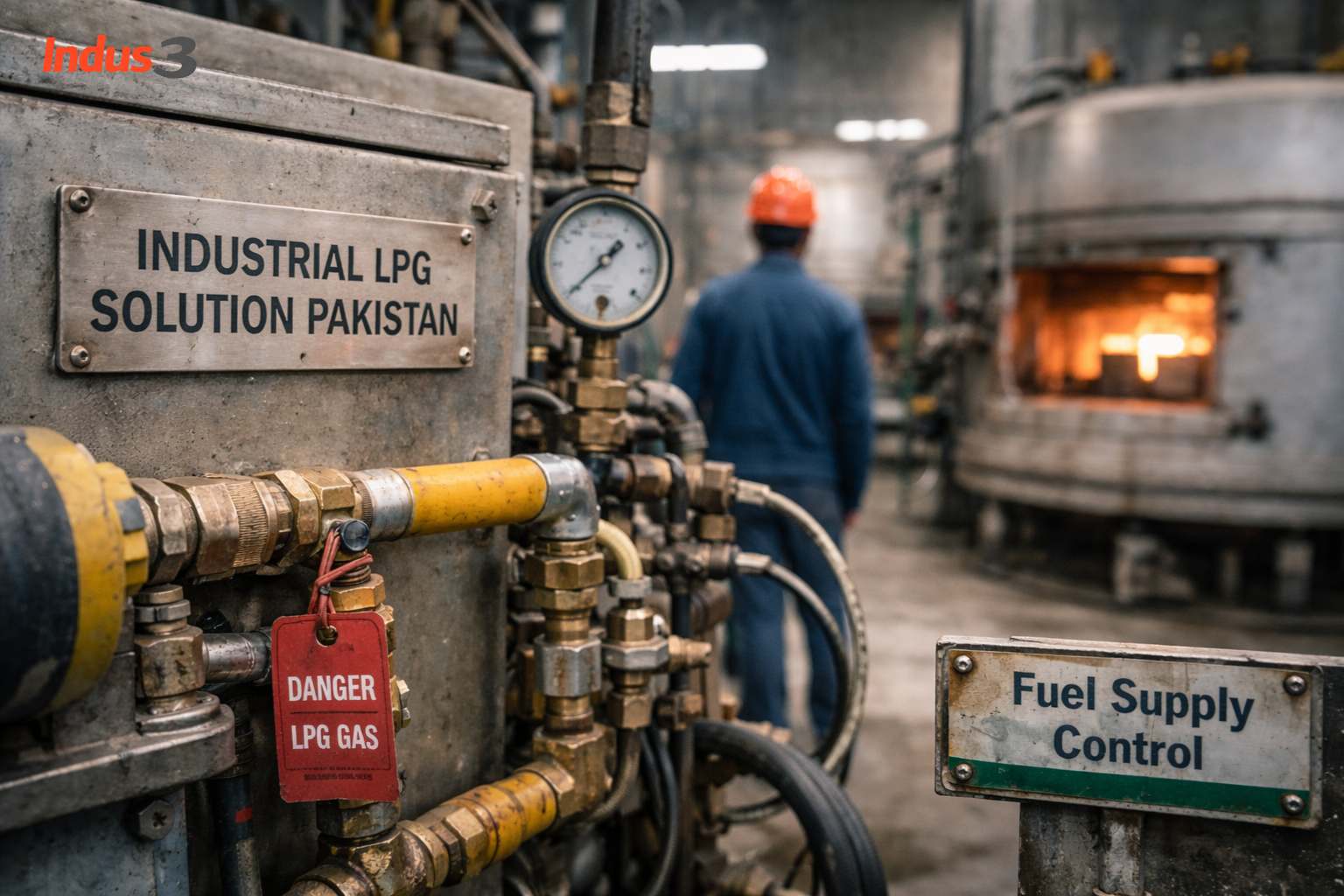
Industrial LPG Solution Pakistan for Ceramic & Glass Plants

Industrial LPG solution Pakistan infrastructure supplying fuel to ceramic kiln production line

The Growing Role of LPG in Punjab’s Ceramic and Glass Manufacturing Sector

Punjab has long been the centre of Pakistan’s ceramic and glass manufacturing activity. Industrial clusters in Lahore, Gujranwala, Sheikhupura, Faisalabad, and surrounding districts operate hundreds of kilns, furnaces, and heat treatment systems that depend on reliable energy sources. In recent years, many of these plants have begun exploring alternative fuels, and one trend is becoming increasingly visible across the region: the shift toward industrial LPG solution Pakistan for process heating.

This transition is not simply a matter of fuel substitution. It reflects a broader transformation in how industrial energy is managed within Pakistan’s manufacturing sector.

Energy Challenges Facing Industrial Manufacturing

Industrial production in Pakistan has historically relied on natural gas, diesel, and furnace oil. However, supply interruptions, fluctuating fuel prices, and infrastructure constraints have created operational uncertainty for manufacturers.

For ceramic and glass plants, these disruptions can be particularly damaging. Production lines often run continuously for long cycles, and even a brief interruption in thermal energy can affect kiln temperature stability, product quality, and overall throughput.

In this environment, the lpg industry in pakistan has gradually positioned itself as an alternative energy ecosystem capable of supporting industrial manufacturing. LPG offers several advantages for process heating, including predictable combustion characteristics, easier storage logistics, and compatibility with modern industrial burners.

Industry discussions around industrial usage of LPG in Pakistan have therefore intensified, especially in sectors where high temperature process heat is essential.

Industrial LPG as a Process Heating Fuel

Ceramic tile kilns, sanitary ware furnaces, and glass melting units require consistent heat profiles. Temperatures often exceed 1000°C, and maintaining thermal uniformity is critical to avoid defects such as warping, incomplete firing, or structural inconsistencies in finished products.

An industrial LPG solution Pakistan can help address these requirements by delivering a stable gaseous fuel with controlled combustion properties. LPG burns with a clean flame, allowing better heat distribution inside furnaces and kilns.

For plant engineers, this stability is not just a technical convenience. It directly affects fuel efficiency and production quality. Precise fuel control allows operators to maintain optimal temperature curves during firing cycles.

Industrial LPG systems typically integrate storage tanks, vapour generation systems, regulators, and combustion equipment. When designed correctly, the system provides a continuous fuel supply capable of supporting large scale manufacturing operations.

The growing demand for such systems reflects a broader expansion of lpg in industries, particularly in manufacturing sectors where energy reliability is crucial.

Growth of the LPG Industry in Pakistan

Over the past decade, the lpg industry in pakistan has experienced steady expansion. Increasing urban demand, industrial fuel diversification, and investments in distribution infrastructure have all contributed to market growth.

Government policies aimed at improving energy access have also played a role. Regulatory frameworks and safety standards continue to evolve to support the safe handling and storage of LPG in industrial environments.

Manufacturers now operate under specific guidelines for storage tanks, pressure systems, and transportation. Compliance with these frameworks ensures that industrial LPG systems maintain both safety and operational efficiency.

For businesses planning large scale installations, understanding storage and safety regulations becomes essential. Guidance on tank placement, pressure control, and compliance requirements can be found in detailed technical resources such as the LPG storage compliance framework in Pakistan and the broader safety recommendations outlined in the industrial LPG storage tank safety guide.

These regulatory structures help ensure that LPG infrastructure is implemented responsibly across industrial sectors.

Industrial Applications Expanding Beyond Traditional Uses

Historically, LPG in Pakistan was more commonly associated with domestic cooking and small commercial operations. That perception has gradually shifted.

Today, industrial use of LPG in Pakistan spans multiple sectors including food processing, metal fabrication, chemical production, textile drying, and thermal treatment processes.

Ceramic and glass plants represent one of the fastest growing segments within this landscape. Their need for controlled combustion systems aligns well with the technical characteristics of LPG fuel systems.

Industrial engineers working in these plants increasingly evaluate LPG infrastructure as part of long term energy planning strategies. This includes evaluating tank storage capacity, fuel supply continuity, and integration with modern combustion technologies.

The expansion of these systems also reflects a wider trend across Pakistan’s manufacturing ecosystem: the need for reliable and flexible energy solutions capable of supporting continuous industrial production.

A Shifting Industrial Energy Landscape

As Pakistan’s manufacturing sector continues to modernise, energy diversification is becoming a strategic priority. Industries cannot rely on a single fuel source if production stability is to be maintained.

Within this changing landscape, the adoption of industrial LPG solution Pakistan is gradually becoming more common, particularly in sectors where thermal precision and operational continuity are critical.

For ceramic and glass manufacturers across Punjab, LPG systems represent a practical option within a complex industrial energy environment. Their growing presence in factory infrastructure signals a broader transformation in how industrial fuel systems are designed, managed, and integrated into modern manufacturing operations.

Why Industrial LPG Solutions Are Becoming Critical for Process Heating

In ceramic and glass manufacturing, heat is not just a supporting utility. It is the foundation of the entire production process. From kiln firing to furnace melting, temperature stability determines whether raw materials transform into high quality finished products. As manufacturing capacity expands across Punjab, many plants are reassessing their fuel systems and exploring a more reliable industrial LPG solution Pakistan for process heating.

This shift is driven by technical requirements as much as economic considerations.

Process Heating Demands in Ceramic and Glass Plants

Ceramic and glass production requires extremely controlled thermal environments. Ceramic tiles, sanitary ware, and porcelain products pass through firing cycles where temperatures may exceed 1100°C. Glass furnaces operate continuously at similarly high temperatures to melt silica and other raw materials.

Maintaining this level of heat requires fuel systems capable of delivering consistent energy output. Even minor fluctuations in flame intensity or fuel pressure can affect temperature profiles inside kilns and furnaces.

For plant operators, this is not simply a technical inconvenience. Irregular heating can lead to defects such as uneven glazing, structural cracks, incomplete vitrification, or glass distortion. These issues reduce product quality and increase waste.

Because of these challenges, modern factories rely on precisely engineered combustion systems built around high performance industrial LPG burners.

The Role of Industrial LPG Burners in Thermal Control

An industrial LPG gas burner is designed to provide controlled combustion suitable for large scale industrial furnaces. Unlike small commercial burners, these systems are engineered to deliver high heat output while maintaining stable flame characteristics.

Burners used in ceramic kilns or glass furnaces often include adjustable fuel valves, airflow control mechanisms, and flame stabilisation systems. These components allow engineers to regulate the air to fuel mixture and achieve optimal combustion efficiency.

Precise control over combustion improves both temperature stability and energy efficiency. When burners operate at the correct air fuel ratio, the system produces a hotter and cleaner flame with minimal energy loss.

For manufacturers evaluating equipment options, the availability of specialised industrial LPG burners manufacturers and spare components has also made LPG systems more accessible. Plants can source burner assemblies and components locally through industrial suppliers such as those offering specialised burner spare parts in Pakistan.

This availability simplifies maintenance and reduces downtime in production facilities.

Pressure Regulation and Fuel Stability

Beyond burner design, fuel pressure management is another critical factor in industrial combustion systems. LPG must reach the burner at a consistent pressure to ensure stable flame formation.

In industrial installations, this is achieved through multi stage pressure control systems using industrial LPG regulators. These regulators reduce high storage pressure to the precise level required by the burner.

Accurate pressure control prevents several operational issues. If pressure drops too low, burners may struggle to maintain a stable flame. If pressure rises unexpectedly, combustion may become inefficient or unsafe.

Modern industrial facilities therefore integrate engineered regulation systems that ensure continuous fuel delivery. Detailed guidance on pressure management and system design can be found in resources such as the industrial gas regulator technical guide.

Reliable pressure regulation allows combustion equipment to operate within optimal parameters even during high demand periods.

Efficiency Advantages of LPG Combustion

Another reason many manufacturers are evaluating an industrial LPG solution Pakistan lies in the combustion efficiency of LPG itself.

LPG contains a high calorific value and burns cleanly when mixed properly with air. This produces a stable flame with fewer particulates compared with some traditional fuels. In kiln environments, this cleaner combustion helps maintain uniform heat distribution.

Better combustion efficiency can translate into lower fuel consumption per production cycle. When kilns maintain stable heat curves, plants avoid the energy losses that occur when systems repeatedly heat and cool.

Engineers analysing fuel usage often use specialised calculation tools to determine system efficiency and expected consumption levels. Practical resources such as the industrial LPG consumption calculator can help plants estimate fuel requirements for large scale heating systems.

These analytical approaches are becoming increasingly important as manufacturers seek to optimise operational costs.

Industrial Heating Systems Are Becoming More Sophisticated

Manufacturing plants in Punjab are gradually adopting more advanced combustion technologies. Automated temperature monitoring, programmable burner control, and energy management systems are becoming more common in large ceramic and glass facilities.

Within this evolving industrial environment, fuel systems must support precision engineering rather than simple heat generation. Reliable burners, accurate pressure regulation, and consistent fuel supply all contribute to stable production conditions.

For many plants facing uncertain energy supplies, LPG infrastructure offers a practical way to maintain process stability while supporting high temperature industrial operations.

As the region’s manufacturing base continues to expand, the role of LPG based combustion systems in industrial heating is likely to become even more prominent.

Technical Constraints of Using LPG in High Temperature Industrial Applications

While LPG is widely recognised as an efficient industrial fuel, its use in large scale manufacturing systems also introduces several engineering constraints. Ceramic kilns and glass furnaces operate at extremely high temperatures and require uninterrupted fuel supply for extended production cycles. Designing a reliable industrial LPG solution Pakistan therefore demands careful attention to system pressure, storage capacity, vapour generation, and fuel flow control.

These technical factors differentiate industrial LPG systems from smaller commercial or domestic installations.

Understanding LPG Pressure Behaviour in Industrial Systems

LPG is stored as a liquid under pressure inside cylinders or storage tanks. When released, the liquid converts into vapour, which is then delivered to burners for combustion. This phase change is essential for the operation of LPG powered heating systems.

However, vapour generation capacity is limited by temperature, tank size, and fuel withdrawal rate. When demand exceeds the natural vapourisation capacity of the storage vessel, pressure can drop significantly. In high temperature manufacturing environments, such pressure drops can disrupt burner performance.

For ceramic and glass plants that require continuous heat output, maintaining stable industrial LPG cylinder pressure becomes a key engineering priority. If pressure fluctuates, burners may experience flame instability, uneven combustion, or sudden shutdowns.

These challenges highlight the importance of properly engineered fuel supply infrastructure rather than relying solely on individual cylinders.

Limitations of Cylinders in High Demand Applications

Many smaller factories begin using LPG through cylinders because they are easy to transport and install. However, cylinders have physical limitations when used in large scale industrial systems.

Each lpg cylinder for industrial use can only vaporise a limited quantity of fuel per hour. When a kiln or furnace requires higher fuel flow, multiple cylinders must be connected through a manifold system.

Even with manifolds, the system can still encounter pressure instability during periods of heavy fuel demand. Cold weather conditions can further reduce vapourisation capacity, making it harder for cylinders to maintain consistent fuel flow.

For these reasons, larger manufacturing facilities typically transition to bulk LPG storage systems supported by engineered vapour generation equipment. These installations ensure a continuous and controlled supply of gas even when consumption rates are high.

Safety and design considerations for these storage systems are discussed in resources such as the detailed LPG cylinder safety guidelines and broader technical recommendations provided in the industrial LPG regulator guide.

These frameworks help engineers design systems capable of supporting industrial scale energy demand.

Storage Tank Design and Infrastructure Constraints

Large scale plants often rely on bulk industrial LPG storage tanks rather than individual cylinders. These tanks can store significantly larger fuel volumes, reducing the need for frequent refilling and improving system stability.

However, tank installations introduce additional design requirements.

Engineers must consider factors such as:

• tank placement and safety distances
• vapour withdrawal capacity
• piping layout and pressure losses
• regulator positioning
• safety valve configuration

Tank dimensions and capacity must also match the plant’s fuel consumption profile. Oversized systems may increase installation cost, while undersized tanks can create supply limitations.

Industrial installations often follow standard design parameters such as standard LPG tank length industrial specifications, which help ensure that tanks maintain safe operating pressures and sufficient vapour production.

In addition, storage systems must comply with regulatory and safety guidelines for LPG handling. Detailed safety recommendations for tank installations can be reviewed in the LPG storage tank safety guide.

These guidelines address everything from foundation design to pressure relief systems.

Regulator Performance and Pressure Drop Challenges

Another technical constraint involves pressure regulation within LPG distribution networks. LPG leaves storage tanks at high pressure and must be reduced to the correct operating level before reaching industrial burners.

This is achieved using LPG regulator industrial type equipment that controls gas pressure across different stages of the fuel delivery system.

In large manufacturing plants, regulators are often installed in multiple stages to ensure gradual pressure reduction and stable gas flow. Improperly sized regulators can create pressure drop issues that affect burner performance.

Temperature conditions can also influence regulator behaviour. Under certain conditions, rapid gas expansion can cause cooling effects that lead to regulator freezing. This phenomenon can interrupt gas flow and reduce system reliability.

Solutions for such issues are explored in specialised engineering discussions such as the regulator freezing solutions guide, which explains how insulation and proper system design can mitigate these problems.

Engineering LPG Systems for Industrial Reliability

For ceramic and glass plants, these technical considerations demonstrate that LPG infrastructure must be engineered carefully to support continuous high temperature operations.

A well designed industrial LPG solution Pakistan integrates multiple system components including storage tanks, vapour generation equipment, pressure regulators, and burner assemblies. Each component must be sized according to the plant’s fuel demand and operational conditions.

Without proper system design, even a high quality fuel source like LPG may struggle to maintain stable combustion in demanding industrial environments.

As manufacturing facilities continue to modernise their heating infrastructure, engineers are increasingly focused on overcoming these constraints through improved system planning and advanced fuel management technologies.

Operational Risks and Safety Considerations in Industrial LPG Systems

Industrial LPG systems provide efficient and flexible fuel supply for high temperature manufacturing processes. However, like all combustible fuels, LPG must be handled with strict engineering discipline. Ceramic and glass plants operate large kilns, furnaces, and heating equipment where high volumes of gas are consumed continuously. In such environments, implementing a safe and reliable industrial LPG solution Pakistan requires careful attention to operational risks, safety infrastructure, and regulatory compliance.

Understanding these risks is an essential part of responsible industrial system design.

Characteristics of LPG That Influence Safety

Liquefied Petroleum Gas is stored as a pressurised liquid and converts into vapour when released. While this property allows LPG to deliver high energy output, it also means that leaks can quickly disperse flammable gas into surrounding areas.

LPG vapour is heavier than air. When released, it tends to accumulate near ground level or inside confined spaces such as trenches, pits, and equipment chambers. In industrial plants with complex piping networks and large furnace installations, this behaviour increases the importance of proper ventilation and gas monitoring.

Because LPG is colourless and odourless in its natural form, odorants are typically added so leaks can be detected by smell. However, relying solely on human detection is not sufficient in large industrial environments. Automated monitoring systems are therefore considered essential safety equipment.

Role of Industrial Gas Leak Detection Systems

One of the most important safety components in any LPG installation is the industrial LPG gas leak detector. These systems continuously monitor the air for traces of LPG and trigger alarms when gas concentrations exceed safe limits.

In large manufacturing facilities, leak detection systems are usually installed near key risk zones, including:

• LPG storage tanks
• pressure regulators and manifolds
• burner supply lines
• enclosed equipment areas

Modern detection systems can also integrate with plant control infrastructure. When gas is detected, the system can automatically shut down fuel supply valves or trigger emergency ventilation.

Technologies used for industrial monitoring are explained in more detail in the LPG leak detection technologies guide, which outlines how sensors and alarm systems improve safety across large gas installations.

The adoption of automated detection systems has become increasingly common as factories seek to reduce operational risk and protect workers.

Emergency Preparedness in Industrial LPG Facilities

Even with advanced safety equipment, plants must prepare for emergency situations. Industrial environments contain multiple potential ignition sources such as furnaces, electrical systems, and machinery.

If gas accumulation occurs near these sources, the risk of fire or explosion increases significantly. For this reason, manufacturers must implement comprehensive emergency response procedures.

Emergency planning typically includes:

• immediate shutdown protocols for gas supply
• evacuation procedures for workers
• coordination with fire response teams
• regular safety drills and system inspections

Industrial facilities often develop detailed response frameworks to manage these scenarios effectively. Guidance on structuring such procedures is available in resources like the LPG emergency response planning guide, which explains how facilities can prepare for potential gas incidents.

Preparedness measures reduce response time and improve safety outcomes in the unlikely event of an accident.

Regulatory Standards and Industrial Compliance

Industrial LPG systems in Pakistan must also follow safety regulations governing storage, transportation, and system installation. These regulations are designed to protect both workers and surrounding communities.

The regulatory environment includes LPG industry rules covering areas such as:

• tank installation distances
• pressure relief systems
• cylinder handling procedures
• transportation safety requirements

Compliance with these standards ensures that LPG infrastructure operates within safe operating limits. Industrial plants must also maintain proper documentation and inspection records for gas equipment.

Many facilities obtain certified safety equipment and monitoring devices to meet these requirements. Equipment designed specifically for industrial installations can be found through suppliers providing certified LPG safety equipment in Pakistan and specialised LPG fire safety equipment.

These technologies help ensure that safety standards are implemented consistently across industrial operations.

Transportation and Fuel Handling Risks

Another safety dimension involves the transportation and delivery of LPG fuel to manufacturing facilities. Bulk LPG is transported through specialised tanker trucks or cylinder distribution networks.

Handling procedures during loading, unloading, and storage must follow strict safety protocols to prevent leaks or pressure incidents. Personnel involved in fuel handling must also receive training in LPG safety procedures.

Industrial transportation guidelines are addressed in documents such as the LPG transportation safety framework in Pakistan, which outlines recommended practices for safe fuel movement within the supply chain.

By maintaining strict control over these processes, plants can reduce risks associated with fuel delivery and storage.

Building a Culture of Industrial Gas Safety

Ultimately, the safe use of LPG in manufacturing environments depends on more than equipment alone. It requires a systematic approach to safety that combines engineering design, monitoring technology, regulatory compliance, and workforce training.

Ceramic and glass plants that implement comprehensive safety frameworks can operate LPG systems with a high degree of reliability. When combined with proper infrastructure planning, these measures ensure that an industrial LPG solution Pakistan supports both efficient production and responsible industrial operation.

As LPG adoption grows across Pakistan’s manufacturing sector, safety management will remain a central priority for engineers and plant operators alike.

Designing an Efficient Industrial LPG Burner and Fuel Supply System

In ceramic and glass manufacturing, the efficiency of a fuel system is determined largely by how well the burner and fuel delivery infrastructure are designed. Kilns and furnaces operate at extremely high temperatures, and their performance depends on precise combustion control. When manufacturers adopt an industrial LPG solution Pakistan, the effectiveness of the system often comes down to burner engineering, fuel regulation, and airflow management.

An efficient combustion system does not simply burn fuel. It converts fuel energy into consistent heat while minimising waste, instability, and operational interruptions.

Fundamentals of Industrial LPG Burner Design

An industrial LPG burner design must address several engineering requirements simultaneously. The burner must generate a stable flame, deliver high thermal output, and maintain controlled combustion over long production cycles.

In ceramic kilns and glass furnaces, burners are often exposed to continuous high temperature environments. This requires robust construction materials and precise nozzle geometry. Burner nozzles regulate how gas exits the system and mixes with combustion air.

The shape and size of the nozzle influence flame length, heat intensity, and flame stability. Poor nozzle design can cause incomplete combustion, uneven heating, or excessive fuel consumption.

Engineers working on design LPG industrial burner systems therefore focus on ensuring that gas and air mix in the correct proportions before ignition occurs. This process is known as the air to fuel ratio, and it plays a crucial role in combustion efficiency.

Combustion Air and Flame Stability

Every LPG burner requires oxygen to support combustion. In industrial systems, air is delivered through blowers or fans that control the amount of oxygen entering the burner chamber.

If the air supply is too low, combustion becomes incomplete and produces carbon residues. If too much air is introduced, heat energy is diluted and overall efficiency drops.

Maintaining the correct balance ensures that the burner produces a clean, stable flame capable of delivering consistent thermal energy. This balance is particularly important in ceramic firing processes where temperature uniformity directly affects product quality.

Industrial engineers therefore integrate adjustable air control mechanisms into burner assemblies. These allow operators to fine tune airflow according to kiln operating conditions.

For plants seeking to maintain long term reliability, access to quality burner components and maintenance parts is equally important. Facilities often rely on specialised suppliers providing industrial combustion components such as those listed in the burner spare parts guide for Pakistan.

Reliable spare parts support consistent burner performance and reduce the risk of unexpected production downtime.

Fuel Delivery Infrastructure and Gas Flow Control

Even the best burner design cannot function properly without a stable gas supply system. LPG must travel from storage tanks through regulators, pipelines, and control valves before reaching the burner.

Gas flow must remain stable across the entire distribution network. Sudden pressure fluctuations can cause burners to operate inefficiently or even extinguish unexpectedly.

To prevent these issues, industrial systems incorporate multi stage pressure control equipment. These regulators gradually reduce the pressure of LPG stored in tanks before it reaches the burner.

High quality pressure control devices ensure that burners receive a steady flow of gas at the correct operating pressure. Detailed guidance on selecting and maintaining these systems can be found in technical resources such as the industrial gas regulator overview for Pakistan.

Stable gas flow enables burners to maintain consistent combustion across long production cycles.

Piping and Hose Systems in Industrial LPG Installations

Another key component of an efficient LPG fuel system is the piping network that connects storage tanks to combustion equipment. Industrial plants typically use heavy duty pipelines designed to withstand both pressure and environmental exposure.

Flexible hose connections are sometimes used in sections of the system where vibration or movement occurs. However, these hoses must meet strict safety and durability standards.

Improper hose selection can lead to pressure leaks, gas loss, or system instability. Industrial installations therefore require specialised materials designed specifically for LPG service.

Detailed installation recommendations can be found in the industrial LPG hose and fitting guide and related information on LPG hose fittings in Pakistan.

Correct piping design ensures that gas flows smoothly through the system without unnecessary pressure loss.

Engineering Reliable Combustion Systems

Industrial combustion systems are the result of multiple engineering decisions working together. Burner design, airflow control, pressure regulation, and piping layout must all align to support consistent heat generation.

When these components are properly integrated, an industrial LPG solution Pakistan can provide highly reliable thermal energy for ceramic and glass manufacturing. Stable combustion improves product quality, reduces fuel waste, and enhances operational efficiency.

For industrial plants operating high temperature furnaces, careful burner system design remains one of the most important factors influencing long term production stability.

How LPG Vaporizers Enable Stable Fuel Supply in Industrial Plants

In industrial heating systems, the reliability of fuel delivery is just as important as burner performance. Ceramic kilns and glass furnaces often consume large volumes of fuel continuously for long periods. Under such conditions, a stable gas supply becomes essential for maintaining consistent combustion. This is where vapour generation technology plays a critical role in an industrial LPG solution Pakistan.

LPG is stored in tanks as a liquid under pressure. However, industrial burners require LPG in its gaseous state. The process of converting liquid LPG into vapour must therefore occur before the fuel reaches combustion equipment.

While small systems can rely on natural evaporation inside cylinders or tanks, high demand industrial systems require a more controlled method. This is achieved through specialised LPG vaporizers.

The Principle of LPG Vaporisation

An LPG vaporizer is a device designed to convert liquid LPG into gas at a controlled rate. It ensures that burners receive a consistent supply of vapour even when fuel demand is high.

The process is based on a simple physical principle. When LPG absorbs heat, it transitions from liquid to vapour. In natural tank systems, this heat comes from the surrounding environment. However, the rate of natural evaporation is limited.

When a kiln or furnace requires large fuel volumes, natural vaporisation may not keep up with demand. As liquid LPG evaporates rapidly, the tank cools and pressure drops. This pressure reduction can cause unstable burner operation.

Vaporizers solve this problem by providing external heat to accelerate the LPG liquid to vapour conversion process. This allows the system to produce a steady supply of gaseous fuel regardless of tank temperature or withdrawal rate.

A detailed explanation of this process can be found in the technical guide on how LPG vaporizers work, which explains the engineering principles behind controlled vaporisation.

Why Vaporizers Are Essential in High Consumption Systems

Industrial ceramic and glass plants often operate large kilns that require continuous heat output for many hours or even days. The fuel consumption rate in such environments can exceed the natural evaporation capacity of storage tanks.

Without a vaporizer, the system may experience several operational issues.

First, gas pressure may fluctuate as tank evaporation struggles to meet demand. Second, the tank itself can become extremely cold, sometimes forming frost on its surface. This condition further reduces vaporisation capacity.

When pressure drops significantly, burners may lose flame stability or shut down completely. Production lines may then experience temperature fluctuations that disrupt the firing process.

By installing a properly sized LPG gas vaporizer system, plants can maintain constant fuel pressure and avoid these disruptions.

Industrial vaporizer systems are designed according to specific capacity requirements. Engineers evaluate kiln fuel consumption rates to determine the correct LPG vaporizer capacity for the installation.

Additional design considerations and sizing calculations are explained in the technical resource on LPG vaporizer sizing guide.

Proper sizing ensures that vaporizers can meet peak fuel demand without compromising system stability.

Types of Industrial LPG Vaporizers

Several types of vaporizer technologies are used in industrial LPG systems. Each type serves a specific operational environment.

Electric vaporizers use heating elements to transfer heat to liquid LPG, allowing it to convert into gas at a controlled rate. These units are commonly used in facilities where electricity is readily available and precise temperature control is required.

Another option is the heaterless LPG vaporizer, which uses ambient air or water circulation to provide heat for vaporisation. These systems are often used in moderate climate environments where natural heat sources can support fuel conversion.

Different vaporizer technologies offer varying advantages depending on plant size, fuel demand, and environmental conditions. Engineers typically compare available systems before selecting the most suitable option.

A broader comparison of technologies can be found in the LPG vaporizer types comparison guide, which explains how different designs function in industrial applications.

Maintaining Vaporizer Performance

Like all industrial equipment, vaporizers require regular inspection and maintenance. Over time, deposits, corrosion, or component wear may reduce performance.

Routine maintenance ensures that vaporizer heating elements, valves, and sensors continue to function correctly. Monitoring fuel pressure and temperature conditions also helps operators detect potential issues early.

Proper maintenance procedures are outlined in the LPG vaporizer maintenance guide, which describes inspection routines for industrial installations.

Regular servicing ensures that vaporisation systems continue to support stable fuel delivery.

Supporting Reliable Industrial Fuel Systems

In large manufacturing plants, vaporizers act as the bridge between liquid LPG storage and gas powered combustion equipment. By maintaining consistent gas pressure and fuel flow, they help ensure that burners operate smoothly even under heavy demand.

For ceramic and glass manufacturers seeking long term energy reliability, vaporizers therefore represent an essential component of a modern industrial LPG solution Pakistan.

As fuel consumption increases across Pakistan’s manufacturing sector, the role of vaporisation technology will continue to expand within industrial energy infrastructure.

Implementing an Industrial LPG Infrastructure for Ceramic and Glass Plants

Designing a reliable fuel system is only one part of the equation. For ceramic and glass manufacturers, the next challenge lies in implementing a complete LPG infrastructure that can support continuous production. Kilns and furnaces operate for long cycles and require stable heat supply without interruption. To achieve this reliability, an industrial LPG solution Pakistan must combine multiple system components into a well integrated fuel network.

This infrastructure typically includes storage tanks, vaporizers, pressure regulation systems, pipelines, monitoring equipment, and maintenance protocols.

Storage Systems for Industrial Fuel Supply

The first step in building an LPG infrastructure is establishing adequate fuel storage capacity. Industrial plants often consume large quantities of LPG each day, particularly when multiple kilns or furnaces operate simultaneously.

Bulk industrial LPG storage tanks are commonly used to maintain a steady fuel reserve. These tanks store LPG in liquid form under pressure and allow plants to receive deliveries in larger quantities compared with cylinder based systems.

Proper tank sizing is essential for operational stability. Engineers must calculate expected daily fuel consumption and determine how much storage capacity is required to support production cycles.

Placement of storage tanks also requires careful planning. Tanks must be located at safe distances from buildings, ignition sources, and public areas. Proper foundations, pressure relief systems, and safety barriers are also required.

Industrial guidelines covering storage installations and compliance requirements can be found in the LPG storage compliance framework in Pakistan.

Following these standards ensures that LPG storage infrastructure remains safe and reliable.

Integrating Vaporizers into the Fuel System

Once LPG is stored in bulk tanks, the next step is ensuring that the liquid fuel can be converted into vapour for combustion equipment. High demand industrial environments rarely rely on natural evaporation alone.

Instead, vaporizers are installed to maintain stable gas supply under heavy load conditions. These systems convert liquid LPG into gas at a controlled rate and deliver it to the fuel distribution network.

The vaporizer must be sized according to the plant’s peak fuel consumption requirements. Undersized systems may struggle to supply sufficient gas during high demand periods.

Vaporizer selection and installation are explained in detail in the technical guide on LPG vaporizers in Pakistan, which discusses how industrial plants integrate vaporisation systems into larger fuel infrastructures.

By stabilising fuel pressure and supply, vaporizers ensure that burners receive a continuous flow of gas during kiln operation.

Pressure Regulation and Fuel Distribution

After LPG is vaporised, the gas must travel through pipelines to reach burners installed in kilns or furnaces. Because LPG storage tanks operate at higher pressures than burners require, pressure control equipment becomes essential.

Multi stage regulator systems gradually reduce pressure as the gas moves through the distribution network. This controlled reduction ensures that fuel arrives at the burner with the correct pressure for stable combustion.

Engineers must carefully design the pipeline layout to avoid pressure losses caused by long distances, sharp bends, or undersized pipes.

In addition to regulators, industrial plants often install flow meters and monitoring devices that track gas consumption across different production lines. These systems allow engineers to evaluate fuel efficiency and detect unusual consumption patterns.

Modern monitoring technologies such as smart metering solutions are increasingly used to analyse gas usage. These systems are discussed in the overview of the smart gas meter technologies in Pakistan, which explains how digital monitoring improves industrial fuel management.

Accurate monitoring helps manufacturers optimise fuel usage and maintain operational efficiency.

Maintenance and System Reliability

Industrial LPG infrastructure requires regular inspection and maintenance to ensure long term reliability. Components such as regulators, valves, sensors, and pipelines must be checked periodically for wear or performance issues.

Routine maintenance schedules allow engineers to detect potential problems before they affect production. These inspections often include leak detection tests, pressure checks, and equipment calibration.

A structured approach to maintenance is essential for facilities that rely on continuous kiln operation. Guidelines for developing maintenance routines are described in the LPG system service schedule guide.

Following these procedures helps maintain stable fuel delivery and reduces the risk of unplanned shutdowns.

Supporting Industrial Energy Transition

Many manufacturing plants in Punjab are gradually transitioning from older fuel systems toward more flexible energy solutions. Diesel and furnace oil have historically powered many industrial kilns, but rising costs and supply uncertainties have encouraged factories to evaluate alternative fuels.

LPG infrastructure provides a pathway toward more controlled combustion systems and improved energy efficiency. When properly implemented, an industrial LPG solution Pakistan can support large scale manufacturing operations while offering greater fuel flexibility.

For ceramic and glass plants seeking to modernise their heating systems, the development of a complete LPG infrastructure represents a practical step toward long term energy stability and improved operational performance.

The Future of Industrial LPG Solutions in Pakistan’s Manufacturing Sector

Pakistan’s manufacturing sector is entering a period of gradual transformation. Industries that rely on high temperature processes are increasingly reassessing how they manage energy supply, operational efficiency, and long term production stability. In this evolving landscape, the adoption of an industrial LPG solution Pakistan is becoming an important part of industrial energy planning, particularly for sectors such as ceramics, glass, food processing, and metallurgy.

The future role of LPG in manufacturing will likely be shaped by energy security concerns, technological advancements, and the need for more efficient combustion systems.

Industrial Energy Diversification in Pakistan

For many years, natural gas served as the primary industrial fuel in Pakistan. However, supply limitations, seasonal shortages, and infrastructure constraints have created challenges for manufacturers who rely on uninterrupted heat supply.

Industries operating continuous furnaces or kilns cannot afford sudden fuel interruptions. Production cycles in ceramic and glass plants may run for dozens of hours or even days. If fuel supply becomes unstable, temperature variations can affect product quality and damage equipment.

These challenges have encouraged manufacturers to diversify their energy sources. In recent years, discussions around industrial usage of LPG in Pakistan have gained momentum as factories explore alternative fuels capable of supporting stable operations.

LPG systems allow manufacturers to maintain on site fuel storage and operate independently from pipeline based gas networks. This flexibility is particularly valuable in industrial zones where natural gas availability may fluctuate.

An overview of the broader energy landscape and industrial LPG adoption trends can be explored through resources such as the industrial LPG energy overview for Pakistan.

Understanding these trends helps manufacturers evaluate how LPG infrastructure may fit into their long term energy strategies.

Improving Manufacturing Efficiency Through Modern Fuel Systems

Industrial combustion technologies are evolving rapidly. Modern kilns and furnaces increasingly rely on automated control systems that monitor temperature profiles, fuel flow rates, and combustion efficiency.

These advanced systems require stable and predictable fuel delivery. LPG combustion systems can support these requirements because they provide clean burning fuel and allow precise pressure regulation.

When integrated with automated control systems, LPG infrastructure can help manufacturers maintain optimal heat distribution across firing chambers. This improves product consistency while reducing energy waste.

As the lpg industry in pakistan continues to expand, more manufacturers are expected to invest in engineered fuel systems that support modern production technologies.

The shift toward data driven energy management also means that factories are beginning to analyse fuel consumption patterns more closely. Monitoring tools and digital gas metering technologies allow engineers to evaluate system efficiency and identify opportunities for improvement.

Such technological integration reflects the broader industrial modernisation taking place across Pakistan’s manufacturing sector.

Strengthening Industrial Infrastructure and Safety Standards

Another important factor influencing the future of LPG in industry is the continued development of safety frameworks and regulatory oversight.

Industrial gas systems must operate within well defined standards to protect workers, facilities, and surrounding communities. As LPG adoption increases, regulatory authorities and industry organisations are strengthening guidelines governing system design, installation, and operation.

The lpg industries association of pakistan and related regulatory bodies continue to promote best practices for safe fuel handling and infrastructure management. These efforts help ensure that LPG systems operate safely even in high demand industrial environments.

Improved safety awareness has also encouraged manufacturers to invest in better monitoring equipment, leak detection technologies, and emergency response systems.

As these standards evolve, industrial LPG systems will likely become even more sophisticated and reliable.

Global Trends Influencing the LPG Industry

Pakistan’s industrial energy strategy does not exist in isolation. Global energy markets and industrial trends also influence how fuels are used in manufacturing.

International organisations such as the International Energy Agency highlight the growing role of LPG as a flexible industrial fuel in regions where pipeline gas infrastructure is limited. Many developing economies rely on LPG to support manufacturing growth while maintaining manageable energy costs.

Countries across Asia and Africa are increasingly using LPG in sectors such as ceramics, metal processing, agriculture, and food production. This broader global trend suggests that LPG will continue to play a meaningful role in industrial energy systems.

Manufacturers in Pakistan are therefore part of a wider transition toward diversified and flexible fuel infrastructure.

Strategic Considerations for Industrial Operators

For plant engineers and facility managers, the decision to implement LPG systems involves both technical and strategic evaluation. Factors such as production scale, fuel consumption patterns, and infrastructure investment must all be considered carefully.

A properly designed industrial LPG solution Pakistan can provide reliable heat supply, improved combustion control, and operational flexibility. However, these benefits depend on thoughtful system design and professional implementation.

Industrial operators who wish to explore LPG infrastructure can review available technologies and system design approaches through technical resources or by consulting experienced industry suppliers such as those represented at Indus3’s industrial LPG solutions platform.

Organisations interested in understanding infrastructure requirements or system design considerations may also explore technical information provided by the company through its industry expertise and company background or request consultation via the contact page.

As Pakistan’s manufacturing sector continues to modernise, the integration of advanced LPG fuel systems is likely to become an increasingly important part of industrial energy strategy.